

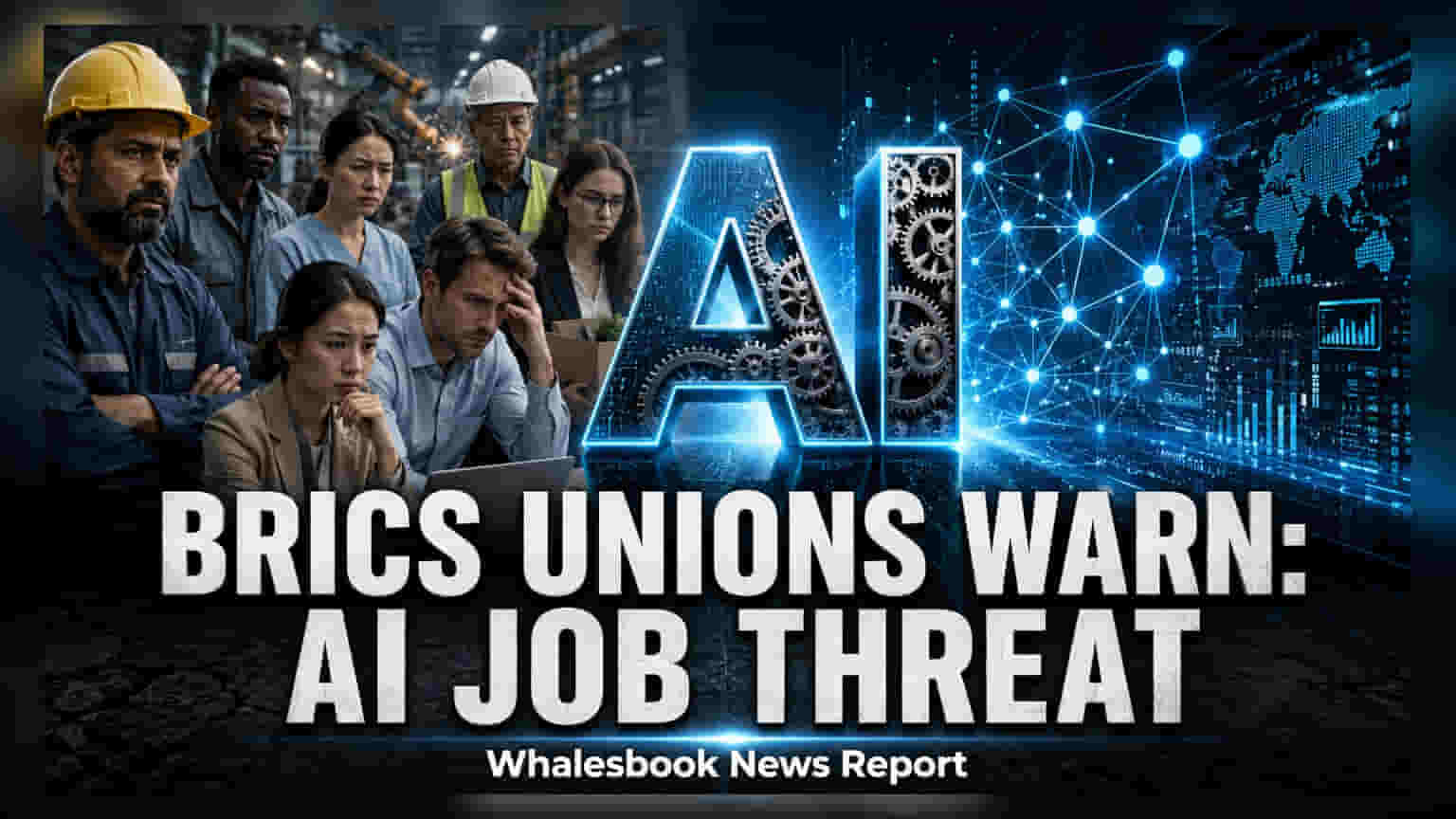
Trade union representatives from BRICS nations, meeting in Hyderabad, have urged governments to establish strict regulations on artificial intelligence in the workplace. The declaration emphasizes that AI must assist rather than replace humans, aiming to protect workers from job losses and biased automated decision-making.
Representatives from BRICS trade unions have called for urgent government intervention to manage the integration of artificial intelligence in the workplace. At the 15th BRICS Trade Union Forum held in Hyderabad, delegates highlighted the risks of rapid technological adoption, including job displacement and discrimination. The forum took place alongside discussions involving BRICS labour and employment ministers, with Union Minister Mansukh Mandaviya chairing the sessions focused on the future of labor markets.
The union declaration focuses on ensuring that technology remains human-centric. A primary concern raised by the delegates is the increasing use of automated systems in hiring, performance management, and employment termination. The unions are advocating for mandatory human oversight in these processes, asserting that employees must have the right to challenge any decision reached solely by an automated algorithm. This request reflects a growing global push to balance industrial efficiency with employee rights as more companies adopt AI tools to streamline operations.
Beyond immediate AI concerns, the forum addressed the broader challenges of digital transformation. The adopted framework encourages BRICS nations to prioritize reskilling and digital literacy programs, preparing the workforce for roles that may be altered by automation. The declaration also emphasizes the importance of data privacy and the fair distribution of economic gains resulting from technological efficiency, suggesting that the benefits of automation should not lead to widening social inequalities.
The agenda also touched upon longstanding labor issues within the BRICS bloc, including the need for universal social security, improved conditions for gig and platform workers, and strategies to increase female labor force participation. While these discussions do not immediately impact specific company stock prices, they signal a shift in the regulatory environment that could influence how multinational corporations manage their workforce and deploy new technology in the coming years. Investors in sectors heavily reliant on automation—such as IT services, manufacturing, and business process outsourcing—may monitor how these regional policy frameworks develop into concrete national legislation. The next phase will involve observing whether individual member nations integrate these recommendations into their domestic labor laws or industrial policies.