

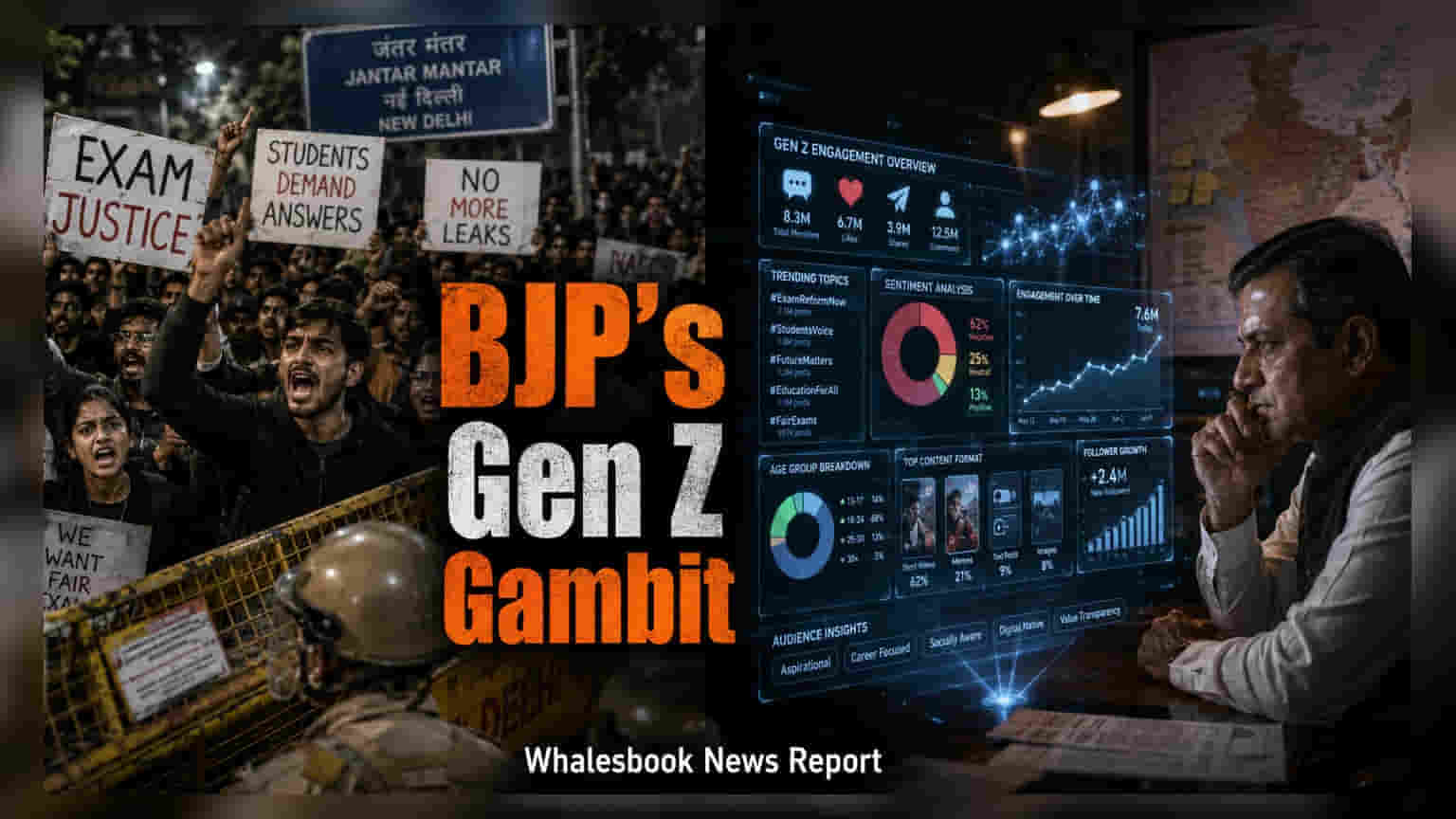
The Bharatiya Janata Party is overhauling its youth strategy to target younger voters following a recent by-election defeat in Bankipur. This pivot comes amid the fallout from examination-related protests at Jantar Mantar. The shift focuses on digital platforms to address growing youth dissatisfaction, a move that may signal upcoming changes in policy priorities regarding education and employment.
The Bharatiya Janata Party is initiating a significant adjustment in its political outreach, shifting its focus toward younger demographics including teenagers. This strategic pivot follows a series of developments, most notably the recent by-election loss in the Bankipur constituency, a seat the party and its allies had held for three decades. The defeat, which came at the hands of the Jan Suraaj party, has prompted the leadership to reassess how it connects with voters who are increasingly influenced by digital trends rather than traditional party structures.
Digital Shift Following Jantar Mantar Protests
The need for this change became apparent during the protests at Jantar Mantar between June and July 2026. These demonstrations, largely driven by student concerns over examination irregularities such as the NEET-UG paper leak, highlighted a disconnect between the political establishment and younger voters. In response, the party is moving away from its traditional approach of targeting voters above age 25. Instead, it is pivoting toward platforms like Instagram, Snapchat, and Reddit, with leaders like Prime Minister Narendra Modi increasing their use of interactive, short-form content to engage directly with Gen Z.
Strategic Implications and Policy Outlook
For the broader political and economic landscape, this shift is significant. Electoral setbacks in traditionally strong areas often lead to re-evaluations of government spending and legislative priorities. Investors and market observers typically monitor such political pivots, as they can influence policy direction in critical sectors like education, employment, and technology regulation. The involvement of senior leadership, including a more conciliatory tone from RSS chief Mohan Bhagwat regarding protesting youth, suggests an attempt to reduce friction with this demographic.
The party's internal review suggests that political opinions among the youth are forming earlier than previously assumed. By moving into the digital space, the organization hopes to regain lost ground and mitigate the influence of emerging political alternatives that have successfully capitalized on youth dissatisfaction.
Future Monitorables
The success of this outreach will depend on whether these digital initiatives are perceived as substantive policy changes or merely a communication fix. Key updates to follow include the party's handling of upcoming examination reforms, legislative responses to the protest-related concerns, and its performance in future state-level elections. The growth of regional political entities like Jan Suraaj, which demonstrated electoral strength in Bankipur, remains a critical factor in the evolving political environment that could shape competitive dynamics in the coming years.