 Whalesbook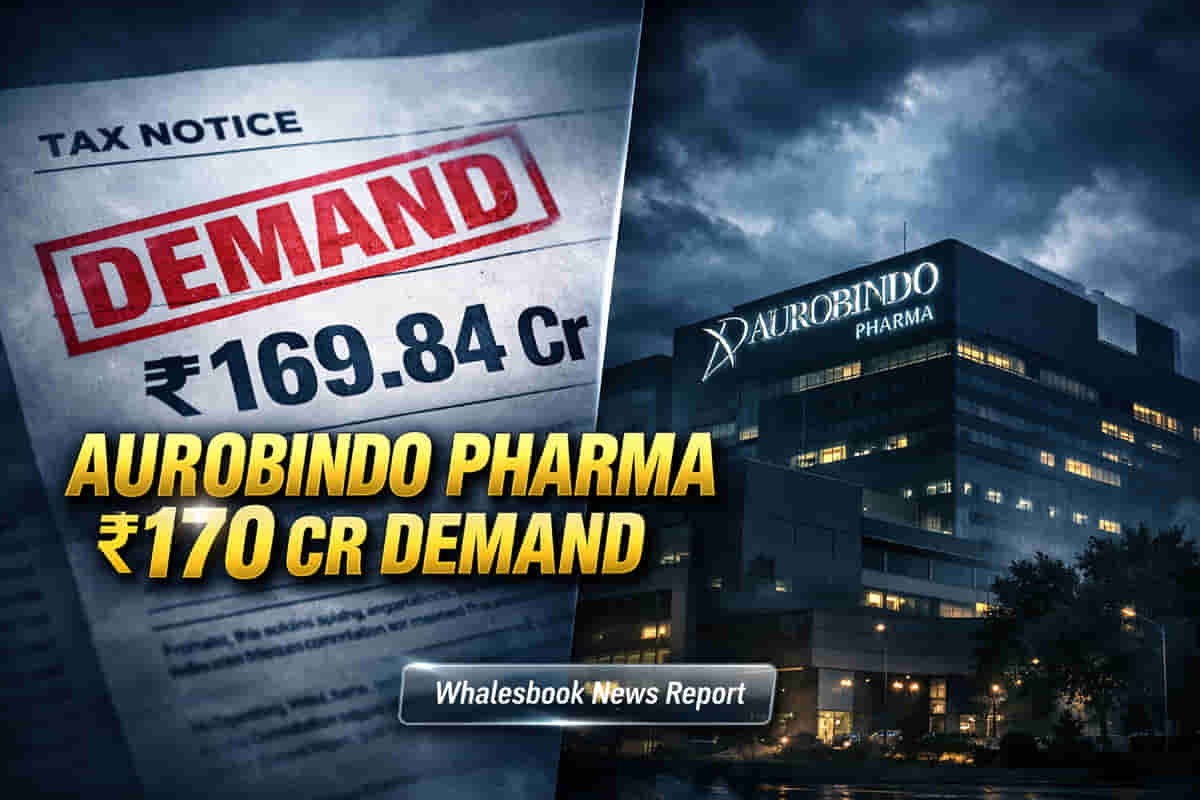
Aurobindo Pharma Faces ₹170 Cr GST Demand on Refunds; Company Plans Appeal
Aurobindo Pharma Limited, a major player in the Indian pharmaceutical sector, has disclosed receiving demand orders from the Goods & Services Tax (GST) Department that require the company to pay back refunds totaling ₹169.84 Crores. This significant amount comprises ₹84.92 Crores in Goods & Services Tax and an additional ₹84.92 Crores as a penalty.
Financial Deep Dive
The core of the dispute lies in accumulated Input Tax Credit (ITC) for the period between September 2022 and December 2022. Input Tax Credit, or ITC, is a crucial mechanism within India's GST system. It allows businesses to claim credit for taxes paid on their inputs (like raw materials or services) that are used in the production of final goods or services. This credit can then be used to offset their own GST liability on outward supplies. Disputes often arise when tax authorities question the eligibility or utilization of this ITC, as they have in Aurobindo Pharma's case.
The company has firmly stated its intention to contest the basis of this demand. Aurobindo Pharma plans to file an appeal against the GST Department's orders. Importantly, the management has reassured investors that there is no material impact expected on the company's overall financials or its operational activities as a result of this demand order. This stance suggests confidence in their appeal prospects or the ability to manage the financial implications without significant disruption.
Risks & Outlook
While the company projects minimal financial impact, the ₹169.84 Crores demand represents a substantial sum. Any adverse outcome in the appeal process could lead to a significant cash outflow, impacting liquidity and profitability. For investors, this highlights the ongoing regulatory complexities within the indirect tax framework in India, even for well-established companies.
Negative History: Searches for significant fraud involvement, SEBI penalties, or major governance red flags specifically impacting Aurobindo Pharma over the last 1-3 years did not yield prominent reports of widespread systemic issues of that nature. Tax-related notices and demands are not uncommon in the Indian business landscape and are often subject to legal challenges.
The Forward View: Investors will be closely watching the progress of Aurobindo Pharma's appeal. The company's ability to successfully navigate this tax dispute will be a key point of observation in the coming quarters. Beyond this, the company's ongoing performance in its key markets, new product launches, and overall revenue and profit growth trends will remain critical for valuation.
Peer Comparison
The Indian pharmaceutical sector is highly competitive, with companies like Sun Pharmaceutical Industries, Dr. Reddy's Laboratories, and Cipla also operating in a complex regulatory environment, both domestically and internationally. While these peers also navigate various compliance requirements, direct comparisons on specific tax disputes are difficult without detailed public information on their respective tax assessments. However, the sector generally benefits from strong domestic demand and export potential. Aurobindo Pharma's peers are also focused on R&D, product approvals, and expanding their global footprint, facing similar pressures related to pricing, compliance, and market access. The market typically rewards companies that demonstrate strong financial discipline and robust risk management, including tax compliance.