

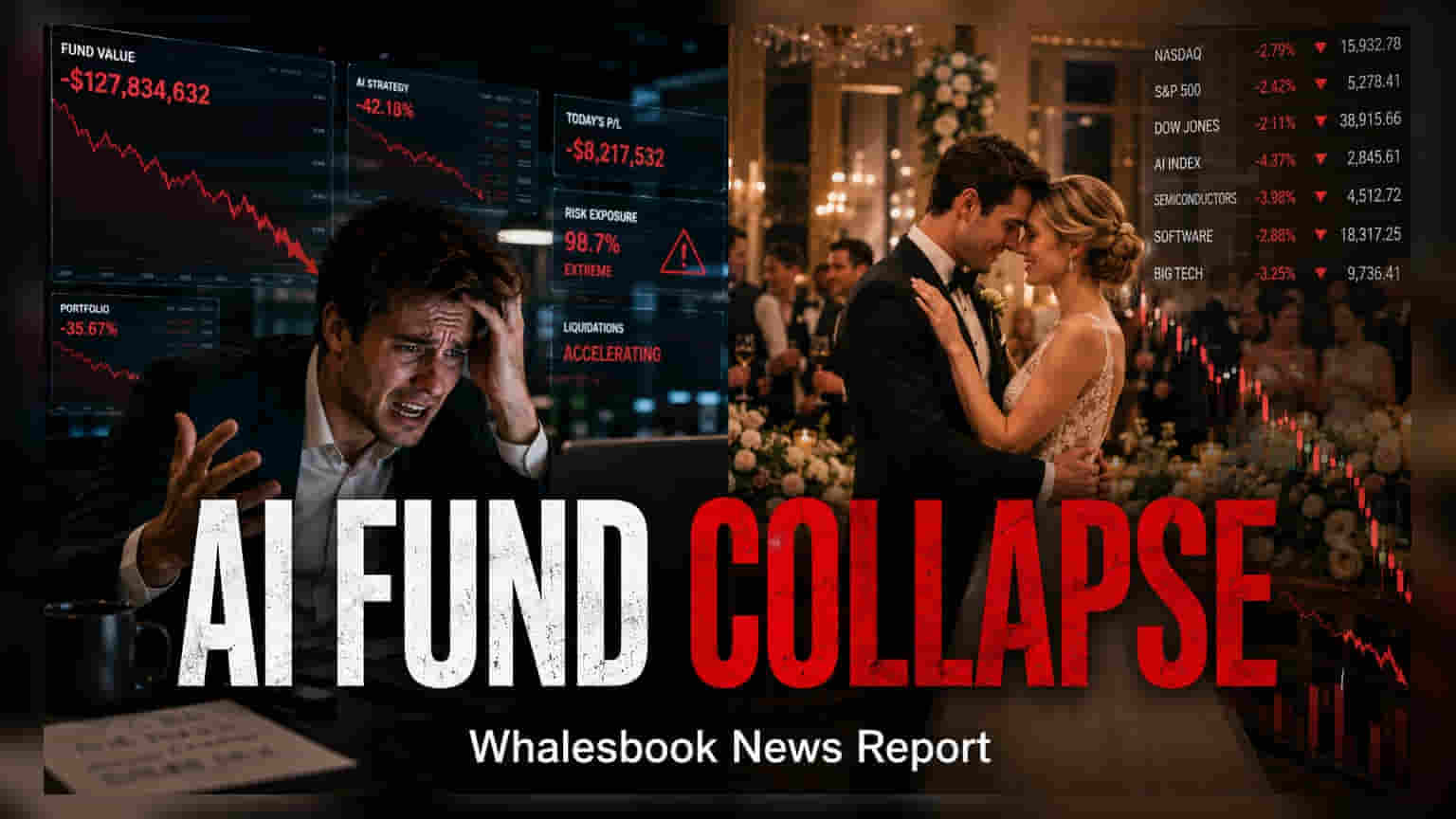
Leopold Aschenbrenner’s hedge fund, Situational Awareness, saw its assets plunge from $45 billion to $10 billion in July 2026 following a 67% drop in value. Driven by heavy borrowing and a slide in AI-linked stock prices, the fund was forced to sell a large portion of its public equity portfolio to lenders. Despite the volatility, the fund remains operational and continues to hold significant private assets.
Situational Awareness, the hedge fund managed by Leopold Aschenbrenner, reported a significant 67% decline in value during July 2026. This steep reversal marks a turbulent period for the fund, which had gained prominence for its heavy focus on the artificial intelligence sector. Assets under management at the fund dropped from a peak of approximately $45 billion earlier in July to roughly $10 billion by the end of the month.
The sharp decline was primarily triggered by the fund’s use of high leverage, which refers to the strategy of borrowing money to increase the size of investment bets. While this approach can amplify gains when markets rise, it works against investors when stock prices fall. As AI-linked stocks experienced a downturn in July, the fund faced margin calls, which are essentially demands from lenders for more cash or collateral. To meet these demands and repay lenders, the fund was forced to sell a substantial portion of its public stock portfolio to Citadel.
Despite the July losses, the fund has maintained a volatile but high-return performance profile, reportedly holding an 80% gain for the year as of early August 2026. This stark contrast highlights the risks inherent in high-conviction, concentrated portfolios that rely on borrowed funds to boost growth. Aschenbrenner, a former OpenAI researcher, continues to operate the fund and is actively managing its remaining private holdings.
While the public equity portfolio was significantly reduced to satisfy lender requirements, the fund retains ownership in several private AI companies, including Anthropic. Additionally, the fund has continued its capital deployment, recently investing $500 million in total into the chip-manufacturing startup Source Foundry.
For investors, this event serves as a case study in the risks of sector concentration and the impact of debt on portfolio stability. When a fund is heavily invested in a single industry, any negative shift in sector sentiment can have an exaggerated impact on its value. The primary monitorables for the fund’s remaining investors will be the liquidity of its private assets, the management of its remaining debt obligations, and the performance of its high-stakes bets in startups like Source Foundry and Anthropic. The market will also be watching to see how the fund adapts its strategy to manage volatility without excessive reliance on borrowed capital.