

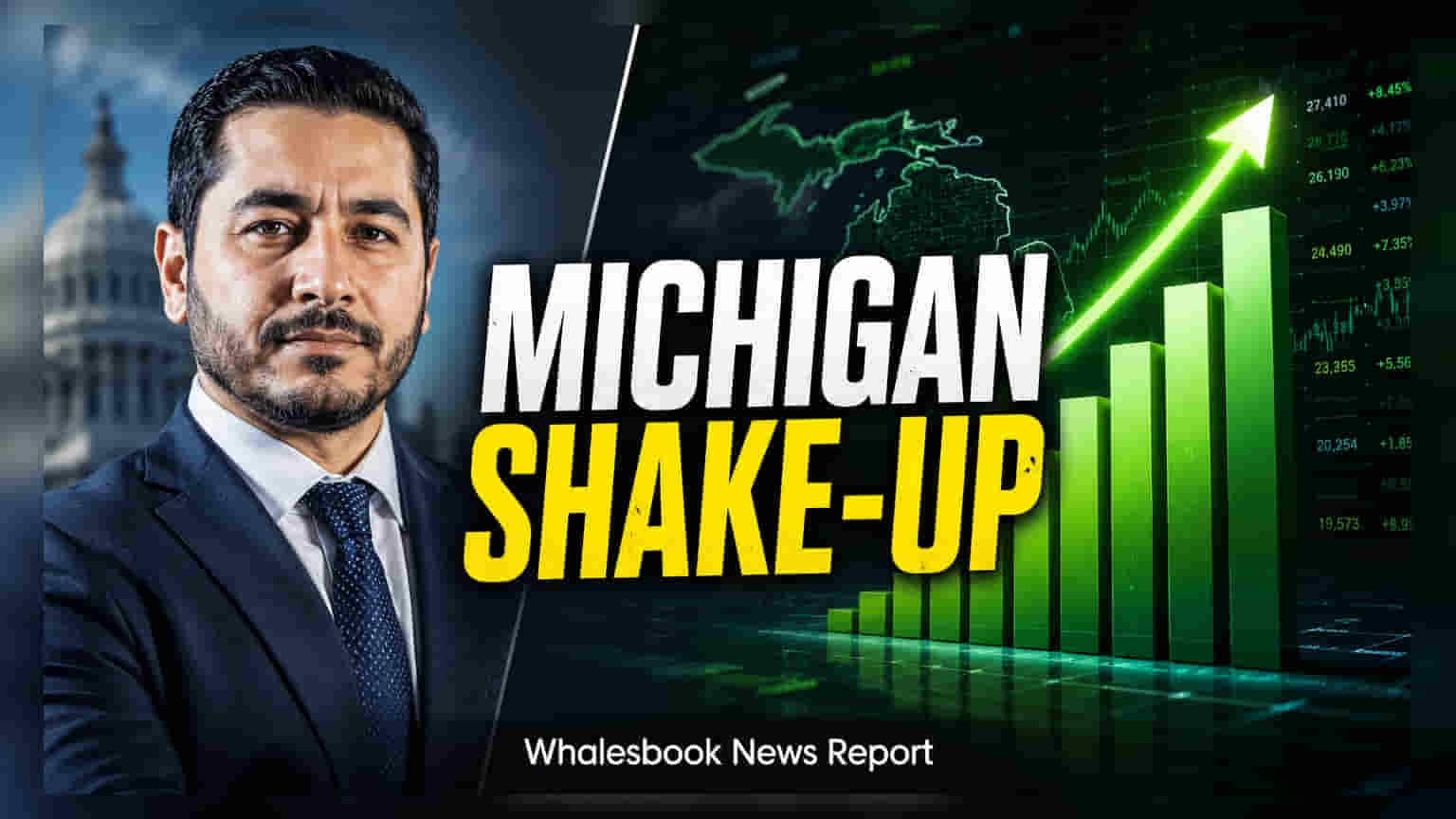
Progressive candidate Abdul El-Sayed has narrowly secured the Democratic nomination for the U.S. Senate in Michigan, setting up a high-stakes November general election against Republican Mike Rogers. Investors are monitoring this race as a key indicator of potential shifts in U.S. Senate control, which could influence future fiscal policies, healthcare regulations, and trade strategies in the world's largest economy.
Progressive candidate Abdul El-Sayed has clinched the Democratic nomination for the U.S. Senate in Michigan following a closely contested primary race. His victory over Representative Haley Stevens, decided by a margin of less than one percentage point, clears the path for a critical November general election against Republican nominee Mike Rogers. This race is widely considered a bellwether for the balance of power in the U.S. Senate, an outcome that holds significant weight for global financial markets and policy-sensitive sectors.
For investors, the importance of this seat lies in its potential to shape federal legislation. The U.S. Senate plays a central role in approving executive appointments, trade agreements, and major fiscal policies such as tax reform and infrastructure spending. A shift in the political landscape of a key battleground state like Michigan can influence long-term investor sentiment regarding U.S. economic stability and regulatory direction. While the event is political, the intensity of the race, evidenced by over $60 million in outside spending during the primary, underscores the high strategic value both major parties place on this specific senate seat.
El-Sayed, a former public health official, has campaigned on a platform that includes 'Medicare for All' and campaign finance reform. His victory marks a strategic pivot from his past electoral efforts and signals a growing influence of progressive agendas within the Democratic Party. Conversely, his opponent in the upcoming general election, Republican Mike Rogers, represents a different approach to economic and social policy, ensuring that the November contest will be a focal point for market participants observing potential shifts in U.S. policy.
The upcoming general election in November will be heavily watched as it is likely to influence investor expectations for the U.S. legislative environment. The significant resources already being deployed—with reports of $45 million allocated by Republicans for advertising to support Rogers—suggest that the competition will remain intense. For observers tracking macro-economic trends, the monitorables moving forward will be the polling data, the final turnout in November, and the eventual impact on Senate majority control, which often dictates the speed and nature of federal economic reforms.