 Whalesbook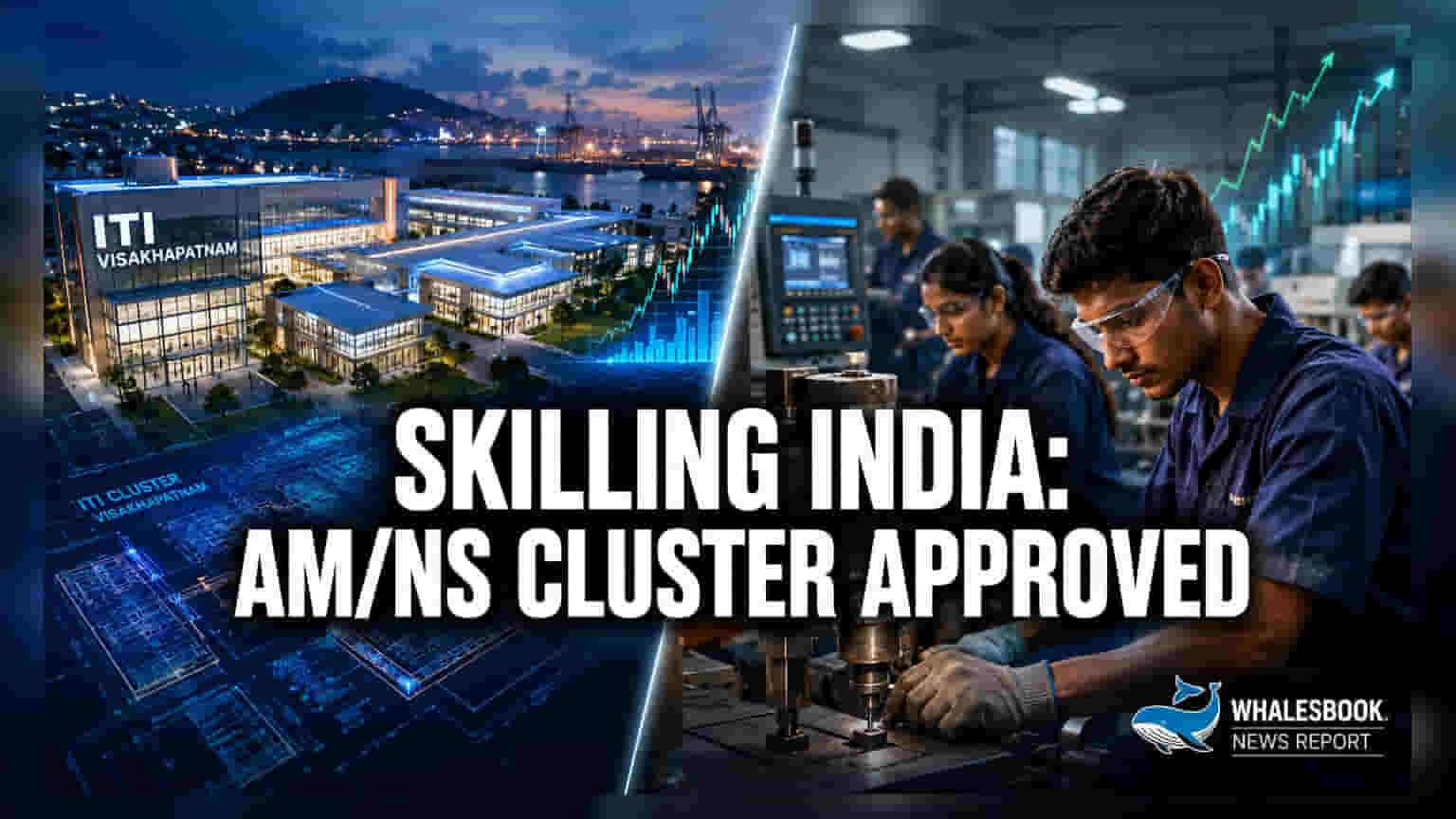


Strategic Capitalization on Human Infrastructure
The formalization of the Visakhapatnam ITI Cluster under the Pradhan Mantri Skilling and Employability Transformation through Upgraded ITIs (PM-SETU) scheme marks more than just a corporate social responsibility milestone. It signals a calculated move by ArcelorMittal Nippon Steel India to internalize the costs of workforce development. By securing the first approved Strategic Investment Plan, the company is effectively utilizing federal funding to build a private-sector-aligned training hub, ensuring a steady stream of labor capable of operating the advanced machinery central to their manufacturing expansion in the region.
The Hub-and-Spoke Operational Logic
This initiative transitions away from traditional vocational models toward an industry-managed structure. Through a partnership with the New Age Makers Institute of Technology, AM/NS India is effectively outsourcing the pedagogical design while retaining control over the curriculum’s technical output. This hub-and-spoke configuration is designed to scale rapidly, allowing the organization to test the efficacy of its skill-building methodologies in Visakhapatnam before likely expanding to other regions where the company maintains a heavy industrial footprint. The ₹60,000 crore national outlay for PM-SETU provides a significant fiscal cushion, shielding the company from the full volatility of developing specialized, modern manufacturing talent.
The Competitive Skill Moat
Unlike traditional manufacturers who rely on broader labor markets, AM/NS India is building a custom talent moat. By embedding themselves into the vocational education system early, they are preempting the regional scarcity of workers capable of handling high-end metallurgical processes. Competitors in the steel and heavy manufacturing sector, who have yet to solidify their roles as Anchor Industry Partners under the PM-SETU framework, risk falling behind in the race to secure specialized human capital. This operational advantage may prove critical as the industry faces increasing pressure to integrate automated and digitized manufacturing technologies.
Structural Risks and Execution Hurdles
While the initiative offers clear advantages in labor stability, the model faces inherent execution risks. The success of the Visakhapatnam cluster depends entirely on the alignment between institutional training standards and the highly specific requirements of AM/NS India’s production lines. Should the curriculum fail to adapt to rapid technological shifts in the steel industry, the company may find itself tied to an inefficient and rigid training framework. Furthermore, the reliance on state-level cooperation presents a bottleneck; if other regional governments struggle with the bureaucratic requirements of the PM-SETU scheme, the anticipated national scaling of this model could face significant delays, leaving early adopters like AM/NS India to shoulder the burden of the pilot program's teething issues alone.