

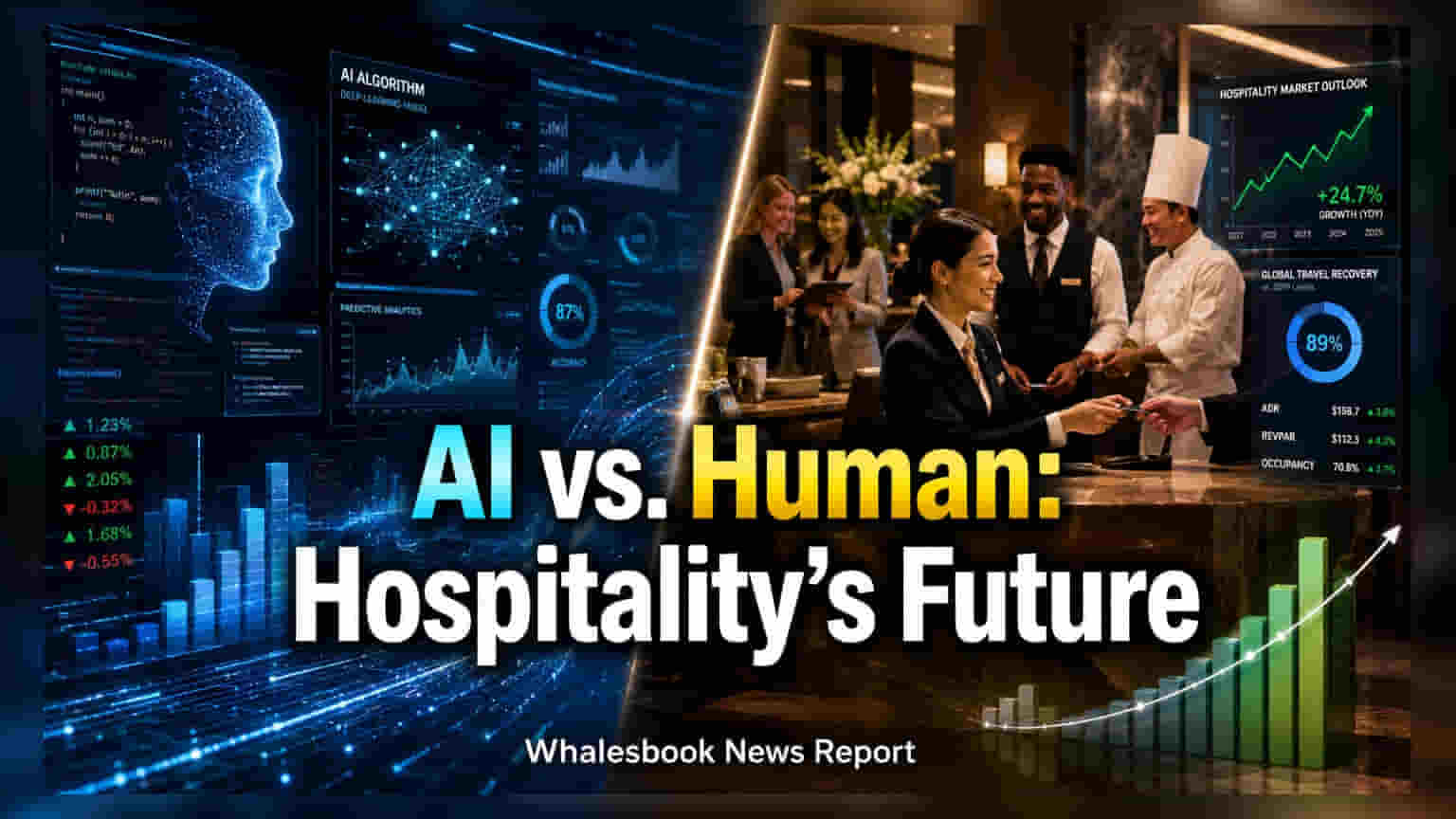
As AI automates pricing and routine operations in the hospitality sector, the demand for human-centric skills is rising. Industry leaders emphasize that roles requiring emotional intelligence and critical thinking remain secure. For job seekers, combining digital fluency with customer service expertise is now essential for long-term career growth.
Artificial intelligence is becoming a core part of the Indian travel and hospitality industry, moving beyond simple booking tools to influence operational strategy. Companies are increasingly deploying AI-powered systems for dynamic room pricing, crew scheduling for airlines, and personalized customer support. This shift represents a significant change in how hospitality businesses manage efficiency and cost, moving toward data-driven decision-making.
The Shift in Operational Roles
While automation is handling routine administrative tasks, industry experts note that the core of the hospitality sector remains deeply rooted in human interaction. Roles such as guest experience executives, event coordinators, and luxury travel consultants continue to be in high demand. These positions now require a new blend of skills, where professionals must use AI-generated insights to make decisions while maintaining a high level of service quality. The ability to interpret data and apply it to guest needs is becoming a major competitive edge for employees in this sector.
Skills Required for Future Employability
As the industry adopts more technology, the focus is shifting away from purely repetitive tasks toward roles that require analytical thinking, resilience, and leadership. The World Economic Forum’s recent reports on the future of work emphasize that digital literacy combined with emotional intelligence is a key requirement for modern roles. For students and current professionals in India, the challenge is to bridge the gap between academic learning and the practical, technology-integrated needs of hospitality employers. Effective communication, problem-solving, and adaptability are now considered essential to complement the efficiency gains provided by AI.
Addressing the Skills Gap in India
India’s hospitality market is currently addressing an employability gap where traditional education models may not fully align with current industry demands. Businesses are increasingly favoring candidates who can manage both digital systems and direct customer feedback from their first day on the job. Consequently, training models that integrate real-world workplace experience with academic instruction are gaining importance. Investors and industry observers may track how major hospitality firms allocate their budget toward training and technology, as these investments will likely influence future profit margins by improving staff productivity and guest satisfaction levels.
Moving forward, the primary monitorable for this sector will be how quickly the workforce adapts to these technological shifts. Future career success in travel and hospitality will likely depend on a professional's ability to balance technical confidence with the unique human empathy that defines the service industry.