

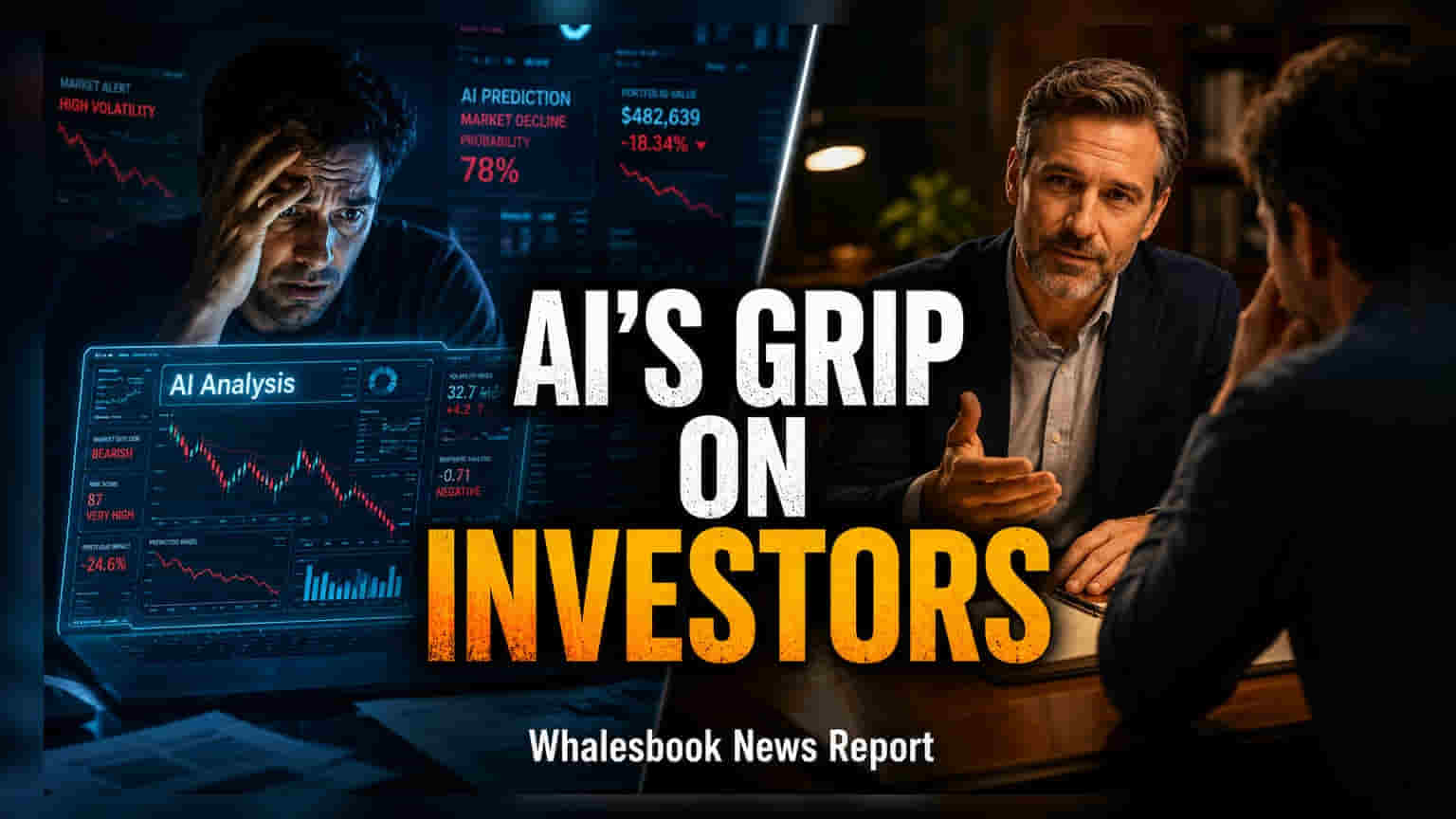
Artificial intelligence is transforming how investors manage portfolios, but it is also leading to a behavioral shift that favors instant reassurance over thoughtful, long-term planning. This reliance can skip the necessary pause required for sound decision-making, while introducing new risks like AI errors and herd-like behavior.
The adoption of artificial intelligence in financial planning has accelerated, providing investors with rapid portfolio analysis and immediate answers to complex questions. While this has democratized access to financial information, it has also triggered a shift in how individuals respond to market volatility. Historically, market corrections prompted a pause—a time for investors to reflect, consult with advisors, and assess long-term goals. Today, many investors are replacing that natural pause with a constant urge for instant AI-generated reassurance.
Industry insights from mid-2026 reveal a clear trend: while AI is increasingly used for initial research, there is a strong preference for human financial advisors when it comes to final, high-stakes investment decisions. Surveys by institutions such as HSBC underscore that investors still value the nuance, experience, and emotional stability that only human oversight provides. This preference exists because the human element remains essential for contextualizing market moves within a person's specific life goals.
Regulators, including the Reserve Bank of India, have cautioned that AI usage must not displace human accountability. One of the most significant risks is the phenomenon of AI 'hallucinations,' where algorithms confidently present incorrect data or false financial facts. If an investor relies on these outputs without independent verification, it can lead to significant financial errors.
There is also a growing concern about the 'cognitive crutch' effect. When investors use AI to perform all their thinking, their own ability to analyze market trends and learn from experience may weaken. Furthermore, experts warn of market homogenization. If a large number of investors use the same AI models to interpret market signals, they may all act in the same way at the same time, which can unintentionally increase market instability.
The most effective approach is to treat AI as a learning partner rather than a replacement for judgment. These tools are powerful for summarizing reports, explaining complex concepts, or challenging assumptions. However, the final decision-making process—which requires discipline and a steady hand during market swings—must remain with the investor. Managing one's attention and maintaining the patience to stick to a well-defined financial plan is becoming as important as managing capital in this new era of automated tools.