

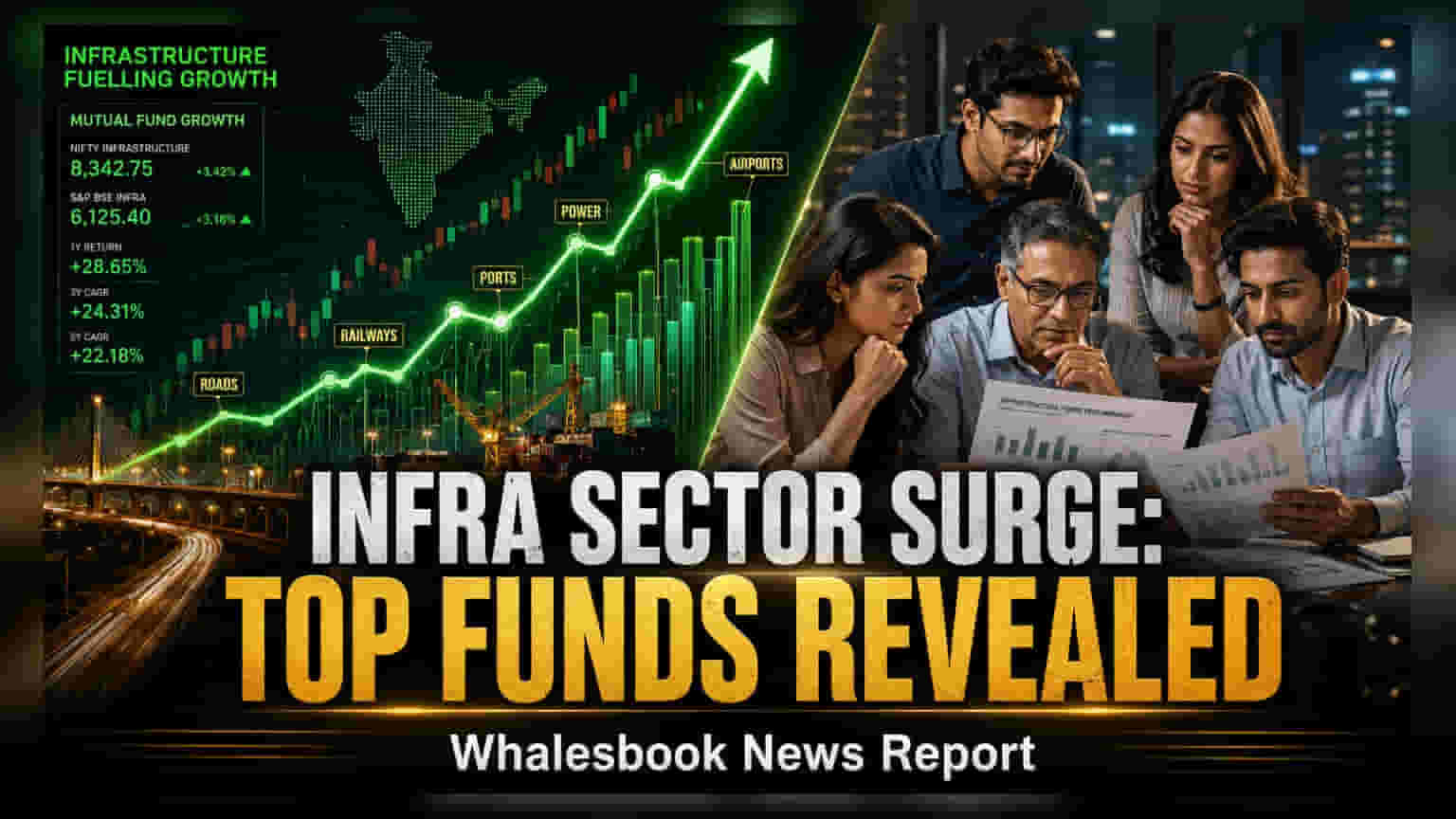
Invesco India Infrastructure Fund has delivered a 9.27% return over the past three months, emerging as a top performer among large infrastructure sectoral funds. While this short-term gain highlights recent momentum, investors should note that thematic funds carry high concentration risk. Long-term rankings in this category differ, with peers like DSP India T.I.G.E.R Fund leading over one- and three-year periods.
Invesco India Infrastructure Fund has registered a 3-month return of approximately 9.27% as of late July 2026, making it the leader in its category among funds with over ₹1,500 crore in assets under management. This performance outpaces other major funds in the infrastructure space, such as the Kotak Infra & Eco Reform Fund and the DSP India T.I.G.E.R Fund, which recorded lower returns over the same three-month window.
While the fund has shown strong short-term growth, mutual fund investors should examine performance across longer horizons. Data indicates that the DSP India T.I.G.E.R Fund has historically delivered higher returns over one-year and three-year periods. This variance underlines a core characteristic of sectoral investing: performance can fluctuate significantly based on which specific sub-segments—such as industrial machinery, home electronics, or electrical components—are currently in favor. Because of these cycles, short-term leadership is not always indicative of long-term success.
The Invesco India Infrastructure Fund operates as a thematic equity scheme, which means it concentrates its portfolio in specific areas like construction, electrical equipment, and engineering. Because of this focus, it is classified as a 'Very High Risk' investment. Unlike diversified equity funds that spread risk across many sectors, thematic funds rise and fall based on the health of a single industry. If the infrastructure sector faces a slowdown, policy changes, or pricing pressure, the impact on the fund's net asset value can be sharper than in a broader market fund.
Investors should also consider the costs and conditions associated with the fund. The expense ratio for the Regular Plan is approximately 2.41%, while the Direct Plan offers a lower ratio of around 1.19%. Additionally, the fund applies a 1% exit load on units redeemed within one year, provided they exceed 10% of the initial investment. Understanding these charges is essential for those planning their investment timeline, especially given the inherent volatility seen in thematic categories.
Looking ahead, the fund’s performance will depend on sustained government spending on capital projects and the demand for industrial equipment. Investors tracking such funds may want to monitor the sectoral weightings within the portfolio and the long-term consistency of returns, rather than focusing solely on short-term gains. Given the high-risk classification, such funds are typically considered appropriate only for those with a high risk appetite and a long-term investment horizon.