

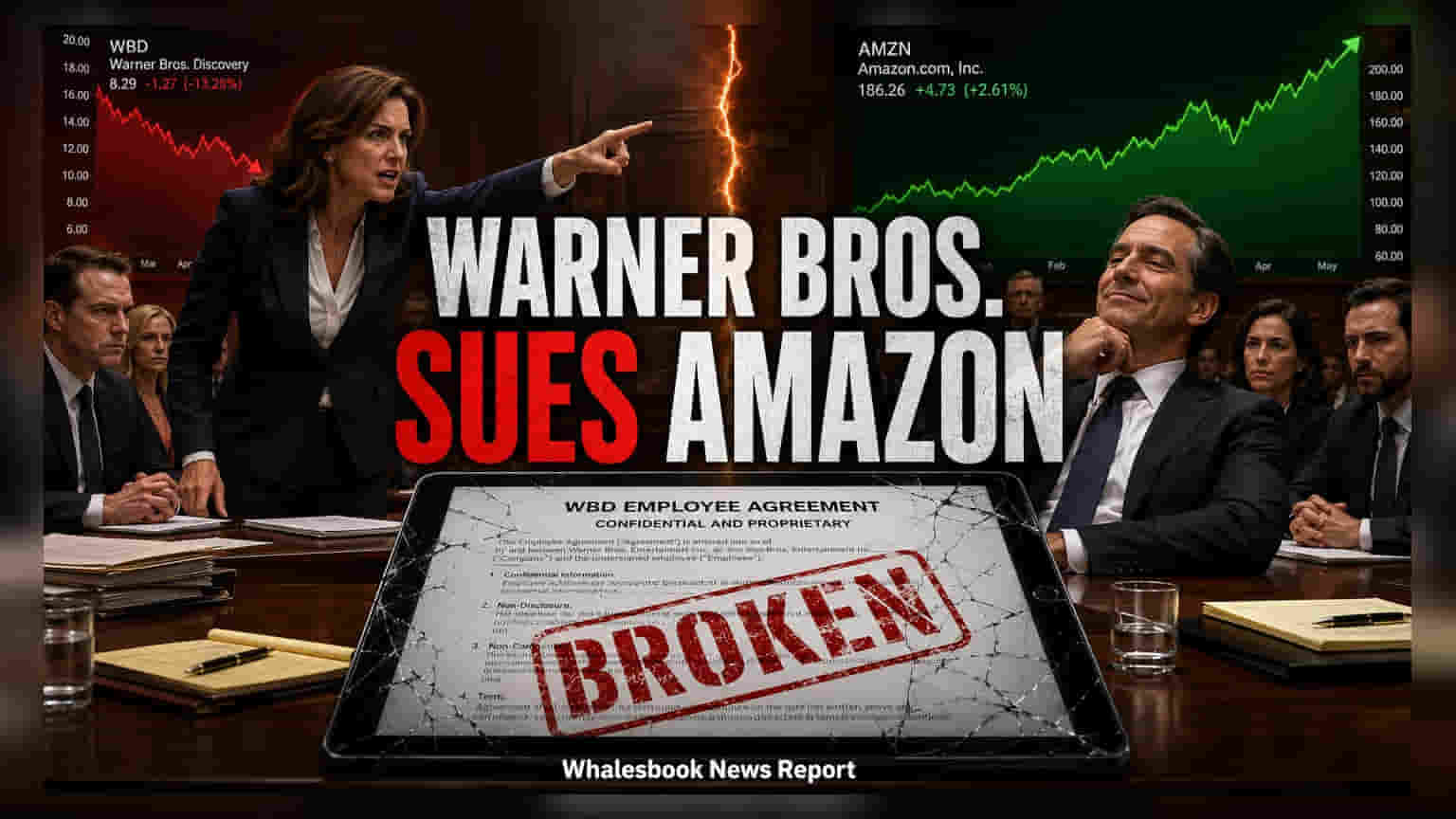
Warner Bros. Discovery has filed a lawsuit against Amazon, alleging the e-commerce giant unlawfully recruited key employees who were under contract. The media firm claims Amazon intentionally induced staff to break their agreements, including an HBO Max marketing executive. This legal dispute highlights tensions over talent retention in the competitive entertainment industry and could impact how employment contracts are viewed in California.
Detailed Coverage
Warner Bros. Discovery has launched a legal battle against Amazon, accusing the tech company of unfair competition and interference with its business contracts. The lawsuit, filed this week, centers on allegations that Amazon actively recruited employees who were currently bound by term employment agreements with Warner Bros. Discovery.
Contract Dispute and Key Personnel
The core of the complaint involves Pia Barlow, a former marketing executive at HBO Max. According to the filing, Barlow’s contract with Warner Bros. Discovery was active and expected to run until October 31, 2027. Despite this, she has transitioned to a role at Amazon MGM Studios. The media company alleges that Amazon did not merely hire an individual but actively induced a breach of an existing contract. Furthermore, the filing claims that Amazon offered to provide legal defense and indemnification to employees who chose to leave Warner Bros. Discovery before their contracts officially expired.
Broader Implications for Industry Talent
Beyond the specific hiring of Barlow, the lawsuit mentions an attempted recruitment of another HBO programming executive. This individual, whose contract was valid until December 2027, ultimately chose to remain with Warner Bros. Discovery. The legal action is being closely watched because it challenges the norms of talent acquisition in Hollywood. It raises significant questions regarding the enforceability of term employment contracts within California's legal landscape, where labor laws generally favor employee mobility.
Potential Investor Impact
For investors, this litigation is important for two reasons. First, it reflects the ongoing struggle for creative and managerial talent in the streaming and studio sector. As companies like Amazon, Netflix, and Warner Bros. Discovery compete for market share, the cost of retaining top-tier executives has increased. Second, the outcome of this case may clarify the legal limits on how aggressively large technology companies can pursue personnel from traditional media rivals. If the court rules that Amazon’s alleged actions were unlawful, it could force tech-backed studios to change their recruitment strategies. Amazon MGM Studios has declined to comment on the filing. The legal process is in its early stages, and shareholders may track further updates on court proceedings or any potential settlement discussions that could impact the company’s operating expenses or human resources strategy.