 Whalesbook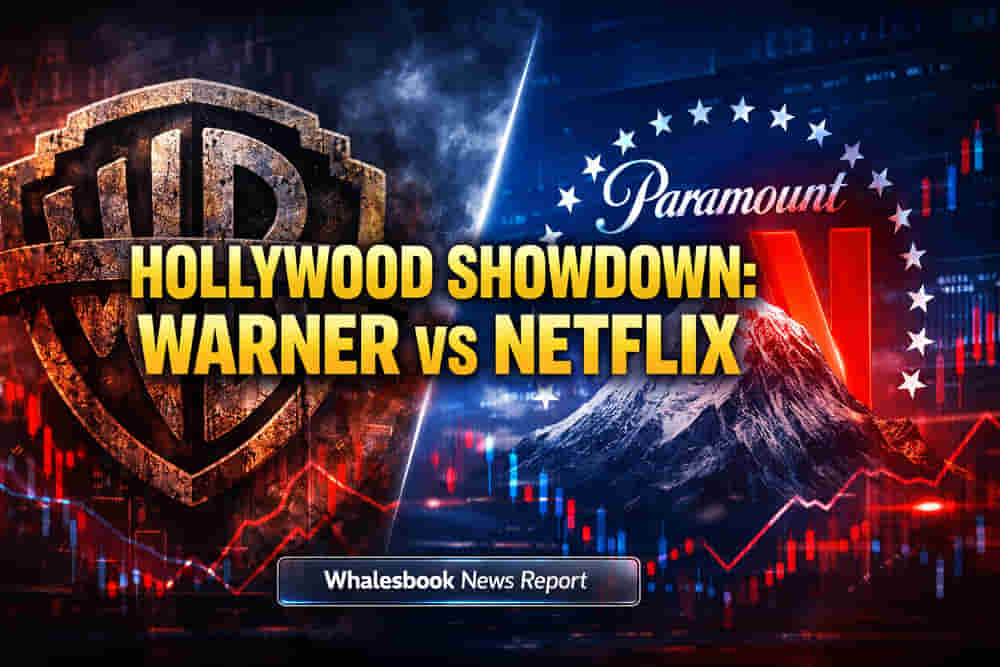


1. THE SEAMLESS LINK (Flow Rule):
The current bid for Warner Bros. Discovery transcends a simple acquisition price, representing a stark divergence in strategic visions for the future of entertainment. Paramount Global's Skydance Media proposal offers a consolidation of traditional media assets, albeit with significant debt implications, while Netflix Inc. presents a vision centered on global streaming dominance augmented by WBD's vast content library.
The Valuation Scramble Continues
Warner Bros. Discovery confirmed its board is assessing a revised takeover proposal from Paramount Global's Skydance Media. While the specific terms were not disclosed, market chatter suggests this bid surpasses Paramount's previous offer of approximately $30 per share. This development challenges the existing agreement with Netflix, which valued WBD at $27.75 per share, totaling $82.7 billion including debt. According to the terms of the Netflix agreement, the streamer has a four-day window to present a counteroffer should the WBD board deem the Paramount bid superior. WBD's board initially recommended the Netflix deal, and its continued endorsement, despite the new Paramount offer, implies that Paramount may still need to bridge a valuation gap analysts estimate to be between $34 and $35 per share. The ultimate decision rests on whether the Paramount bid clears this financial threshold and the perceived likelihood of regulatory approval for either transaction.
Contrasting Visions for Media's Future
Paramount's pursuit, spearheaded by David Ellison and backed by his father's considerable wealth, aims to rapidly transform Skydance Media into a formidable Hollywood powerhouse through traditional studio consolidation. This path, however, carries substantial debt burdens, a critical factor for any potential merger. Conversely, Netflix, an industry disruptor, seeks to integrate WBD's storied intellectual property and content production capabilities into its global streaming ecosystem. This strategy, while potentially creating an unparalleled entertainment behemoth, carries its own risks, notably the potential for overpaying and exacerbating its own leverage. The complexities extend to the distribution model; WBD's stated plan involves spinning off its cable channels like CNN and TNT to investors as part of the Netflix transaction.
Regulatory Headwinds and Political Maneuvering
Both suitors face significant regulatory scrutiny from antitrust authorities in both the United States and Europe. The concentration of media assets in fewer hands has already drawn concern from lawmakers and industry professionals, who fear the impact on competition, job security, and content diversity. Executives from both Paramount and Netflix have reportedly engaged with political figures, including President Donald Trump, to lobby for smoother approval pathways. Larry Ellison's personal backing of the Paramount bid and his personal relationship with the president, alongside Netflix co-CEO Ted Sarandos's discussions regarding job impacts, highlight the political dimensions of this high-stakes deal.
The Forensic Bear Case
While the bidding war captures headlines, substantial risks shadow both proposals. Paramount's strategy, heavily reliant on debt financing for its bid, raises concerns about long-term financial stability and integration challenges. Unlike Netflix, which has a more established global streaming platform, Paramount's path to profitability and synergy realization appears more arduous and laden with leverage. Furthermore, the potential for antitrust intervention is high, as regulators are increasingly wary of consolidating power in the media sector. Should either deal falter due to regulatory roadblocks or financial strain, WBD's current valuation and strategic flexibility could be significantly impacted. Analysts at Bloomberg Intelligence specifically point to the risk of Netflix overpaying, a recurring theme for growth-focused tech companies, and the resultant elevated leverage that could strain its balance sheet.
Outlook Dependant on Deal Completion
The ultimate outcome remains highly uncertain. While Warner Bros. Discovery's board continues to evaluate Paramount's latest offer, its recommendation for the Netflix deal persists, indicating a high bar for Paramount to clear. The market awaits Netflix's response, acknowledging its capacity for a higher bid but also the attendant risks. Investors are closely monitoring the strategic rationale, debt structures, and regulatory landscapes, recognizing that the successful integration of WBD could reshape the media landscape for years to come. Until a definitive agreement is reached and regulatory approvals secured, WBD's stock will likely remain volatile, reacting to every development in this protracted corporate saga.