 Whalesbook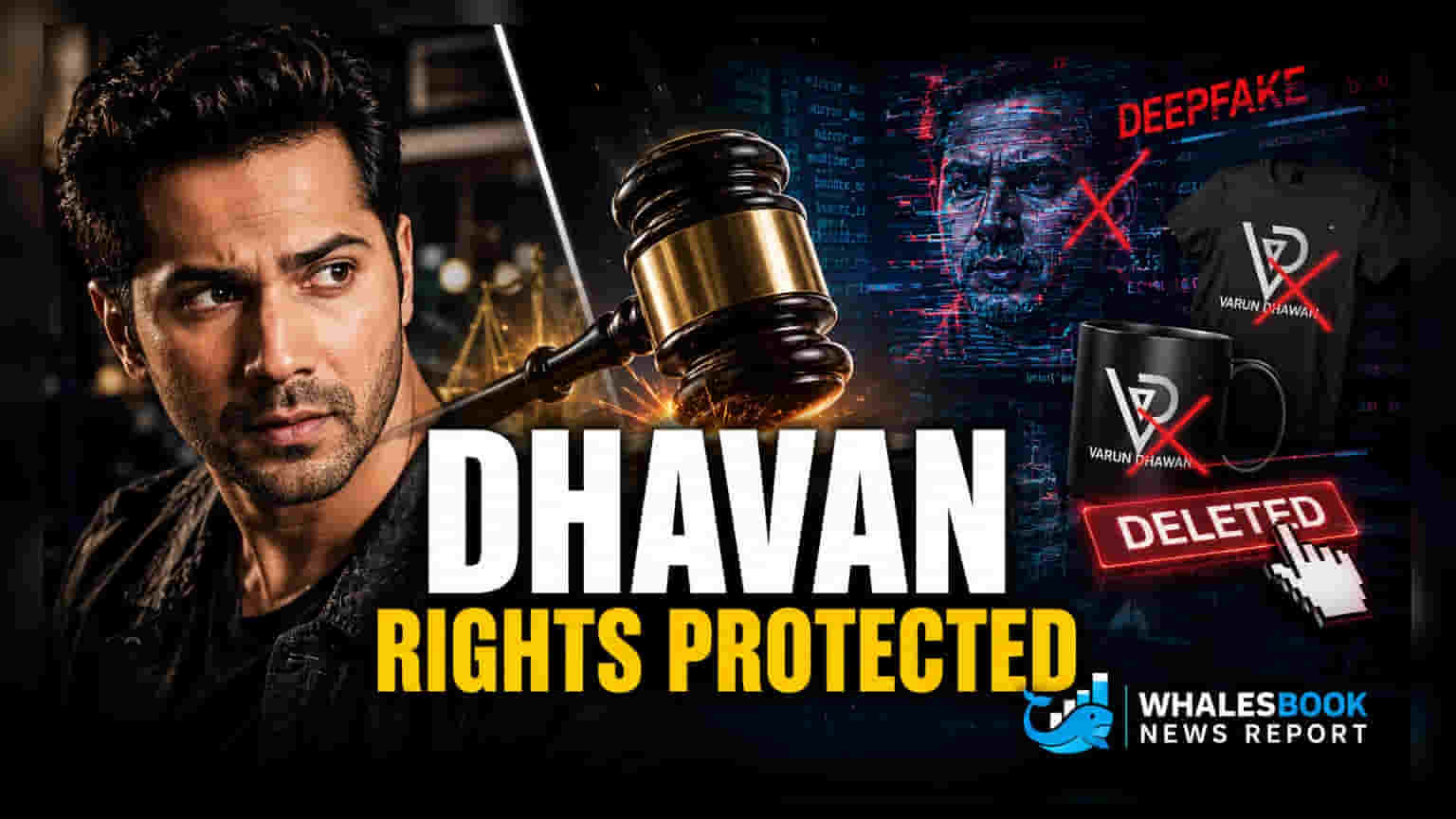


The Shift in Digital Personality Rights
The judicial intervention concerning Varun Dhawan marks a decisive pivot in how Indian courts manage the intersection of generative artificial intelligence and individual publicity rights. By securing a comprehensive injunction that spans not only deepfakes but also unauthorized merchandise and event-booking misrepresentations, the legal framework has moved beyond traditional defamation. The court’s mandate requires global intermediaries to provide subscriber data for infringing accounts, effectively stripping the veil of anonymity from bad actors who utilize synthetic media to monetize a celebrity’s image without consent.
Scaling the Enforcement Gap
Unlike previous precedents that focused narrowly on specific trademark infringements, this ruling establishes a robust mechanism for ongoing enforcement. The requirement for social media conglomerates to act within a 36-hour window creates a new compliance hurdle for these platforms, which now face increased liability if they fail to police synthetic content. This development aligns with a growing trend among Bollywood A-listers, such as Amitabh Bachchan and Anil Kapoor, who have previously sought similar protections. However, the Dhawan ruling is distinct in its specific focus on the intersection of malicious deepfakes and the commercial ecosystem of online retail, where the actor’s name was being leveraged to drive fraudulent sales.
The Forensic Risk: Intellectual Property Overreach
While this injunction offers immediate relief, it raises structural questions regarding the breadth of personality rights. Critics in the legal and tech policy space argue that broadly prohibiting the use of an individual’s 'likeness' can inadvertently chill legitimate satire, parody, or transformative artistic commentary. As the court moves to treat personal attributes as proprietary trademarks, the challenge for platforms like Google and Meta remains the technical difficulty of distinguishing between protected parody and malicious deepfakes. This tension creates a potential for over-removal, where platforms may default to censorship to avoid the strict enforcement timelines mandated by the court.
Future Outlook on Celebrity Data Privacy
Market participants should observe the long-term impact on digital marketing and AI development sectors. As personality rights become more aggressively litigated, the cost of acquiring authorized digital imagery or endorsements will likely rise. Furthermore, the mandatory disclosure of Basic Subscriber Information by intermediaries indicates that the judiciary is moving toward a model of strict accountability for online content hosts. This trajectory suggests that the burden of policing the digital identity of public figures will remain firmly on the platforms, necessitating more sophisticated automated detection tools to avoid frequent, court-ordered takedowns.