

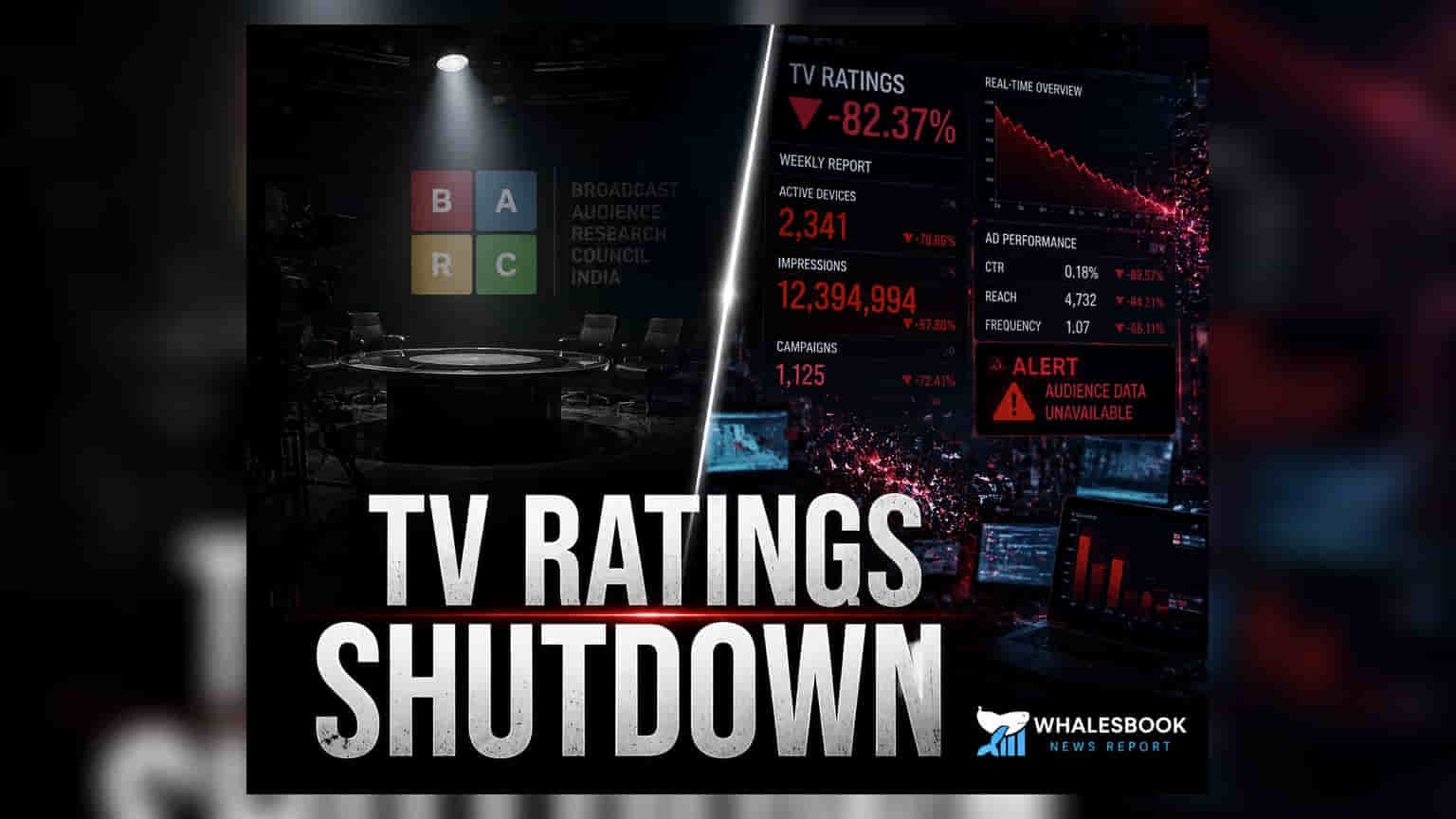
The I&B Ministry has ordered BARC to stop releasing TV viewership data until it secures a new license under updated 2026 policies. This move creates uncertainty for broadcasters and advertisers just before the key festival season, likely accelerating the shift of marketing budgets toward digital platforms.
What Happened
The Information and Broadcasting Ministry has directed the Broadcast Audience Research Council (BARC) to immediately stop publishing television rating points (TRP). This suspension will remain in place until BARC receives a new license under the government's updated TRP policy framework, which was introduced earlier this year. This regulatory pause impacts the entire media ecosystem, as these ratings serve as the primary currency for valuing television advertising slots and shaping content strategies.
Impact on Ad Revenue and Planning
Television broadcasters rely on weekly viewership data to set ad rates and negotiate contracts with brands. Without these verified metrics, broadcasters face a difficult challenge in proving the value of their inventory to advertisers. For brands, the absence of real-time data complicates media planning and campaign performance tracking. This creates a disadvantage for broadcasters, as advertisers may demand lower rates due to the lack of clear performance evidence, while broadcasters will struggle to justify premium pricing for popular programs.
The Shift to Digital Advertising
The suspension of rating data is expected to push more marketing budgets toward digital platforms. Unlike television, digital advertising provides granular, real-time data that allows brands to measure reach and engagement precisely. As the festival season approaches—a period when brands typically increase spending for product launches and consumer demand—the lack of television data may accelerate the ongoing trend of moving ad money from traditional linear television to mobile and internet-based advertising.
Risks for Smaller Broadcasters
While larger media networks may be able to rely on historical viewership trends or long-standing relationships with advertisers to maintain some revenue stability, smaller broadcasters are at a higher risk. These entities often depend heavily on individual hit shows or specific time slots to attract smaller advertisers. With no current data to demonstrate their reach, these channels may struggle to secure new business or renewals in the coming months.
What Investors Should Track
Investors in the media and broadcasting sector should watch for updates on the licensing status of BARC and any timeline provided for the resumption of data. Additionally, it will be important to observe the earnings reports of major media companies in the coming quarters to see if the lack of rating data leads to a measurable decline in ad volume or pricing power. Companies that have successfully diversified into digital content may be better positioned to navigate this period of uncertainty compared to those primarily dependent on traditional television broadcast revenue.