

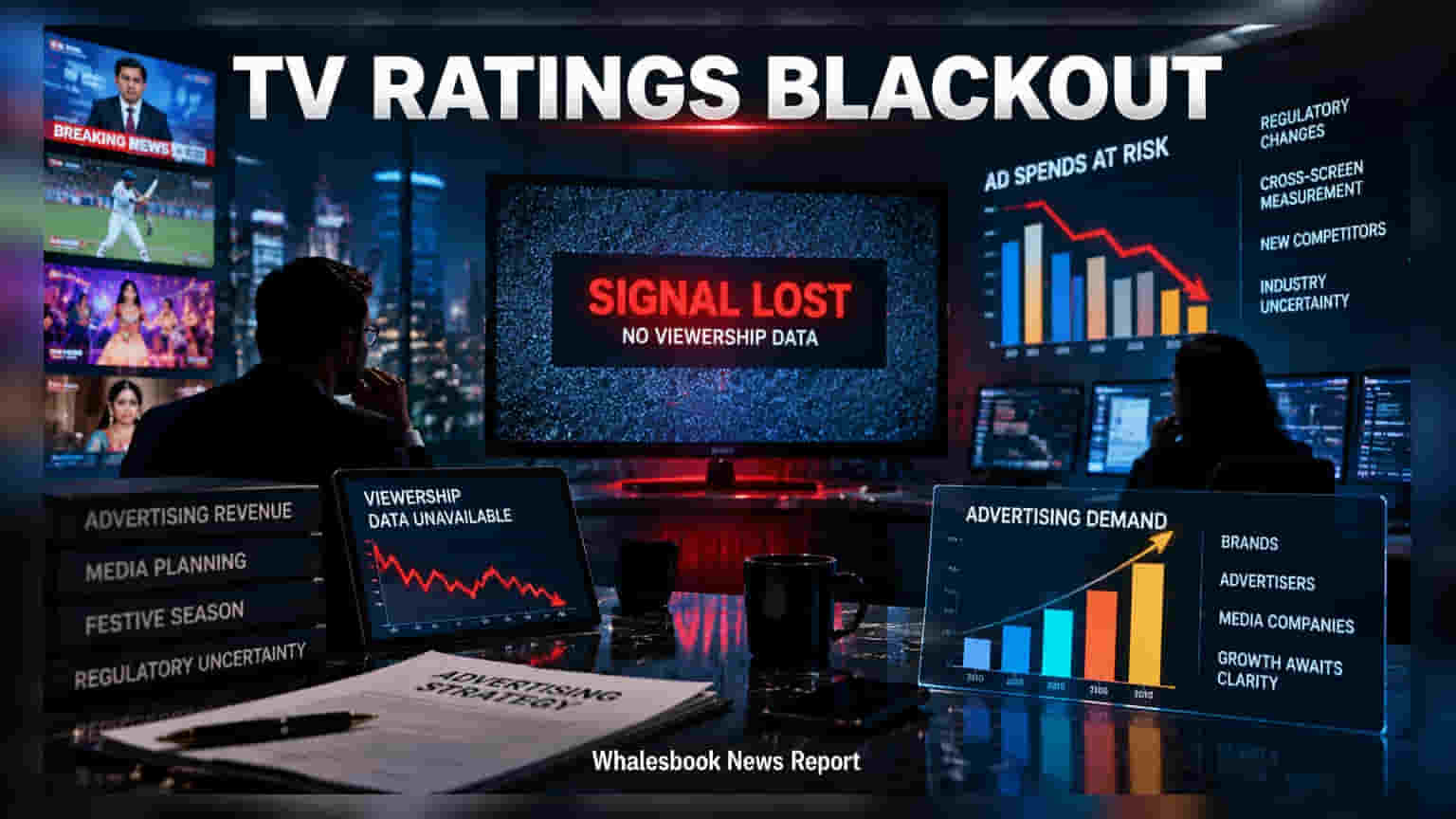
The deadlock between the Broadcast Audience Research Council and the government continues to stall TV ratings, creating hurdles for media companies ahead of the festive season. Broadcasters are demanding clarity as ad revenue visibility drops. The entry of rival rating agencies is also raising concerns about data fragmentation. Investors may track how this impacts ad budgets for major media players.
The ongoing standoff between the Ministry of Information and Broadcasting and the Broadcast Audience Research Council (BARC) is creating significant operational uncertainty for India’s television broadcasting sector. With television news ratings remaining unavailable since March 2026, media companies are struggling to provide advertisers with the precise viewership data needed to justify high-value ad campaigns, especially as the crucial festive season approaches.
The regulatory impasse stems from government mandates that require BARC to implement strict new standards. These rules include the introduction of cross-screen measurement and the removal of landing-page data from metrics to ensure better transparency. To comply with these governance requirements, BARC is in the process of appointing Muralidharan Ramachandran as its fifth independent director. Additionally, the organization is working to expand its technical infrastructure, with the goal of reaching a panel size of 80,000 households by the end of the year.
For investors, the primary concern is how this lack of data affects advertising revenue. Executives from leading companies, including Zee Entertainment Enterprises and JioStar, have emphasized that the absence of reliable viewership data is creating a bottleneck. Advertising agencies and brands rely on these metrics to allocate their budgets efficiently. Without verified numbers, media planners may remain cautious, which could limit advertising growth for the sector during the most important part of the year.
The competitive environment is also becoming more complex. The entry of rival services from firms like TAM India and Chrome DM has added another layer of uncertainty. While competition can often lead to better services, industry experts are worried that the presence of multiple rating agencies could result in conflicting viewership data. This fragmentation may complicate media planning, as advertisers struggle to compare reach across different measurement sources.
From a financial perspective, BARC reported a net profit of ₹16 crore for the 2024-25 fiscal year, indicating that the organization remains financially stable. However, the direct impact on listed broadcasting companies depends on how quickly the industry can return to a standardized, transparent measurement system. The next important updates for the market will be the finalization of regulatory approvals and any timeline announced for the resumption of full-scale viewership data reporting, which would be essential for restoring confidence in ad spending.