

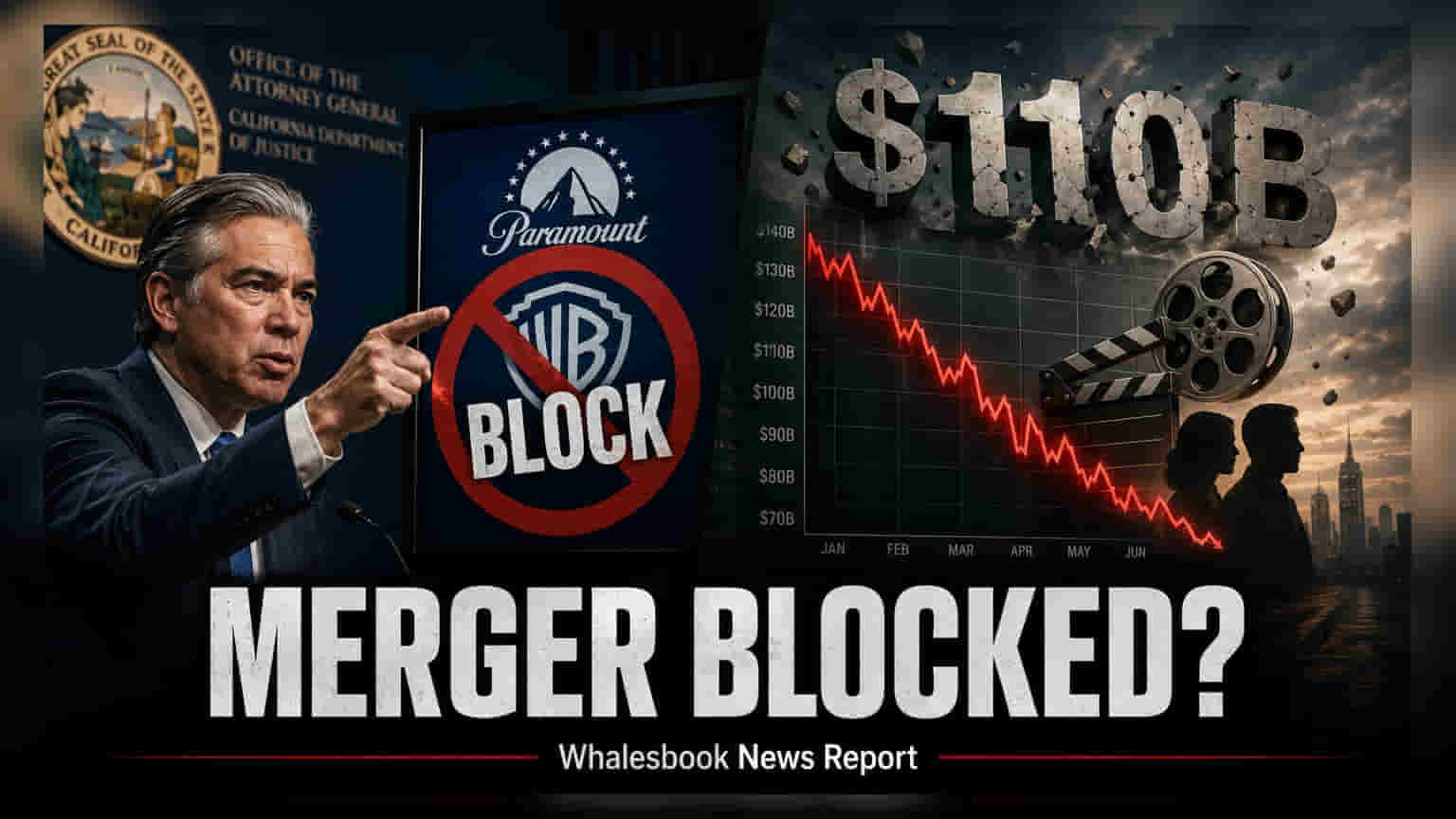
Multiple U.S. states are preparing legal action to block the proposed $110 billion merger between Paramount Global and Warner Bros. Discovery. The challenge, led by California, focuses on antitrust concerns and the potential for reduced competition in the media sector. Investors are tracking the deal's timeline, which faces significant financial pressure from an $80 billion debt load and a $650 million quarterly delay fee.
The proposed $110 billion merger between media giants Paramount Global and Warner Bros. Discovery is facing a significant hurdle as multiple U.S. states prepare to file antitrust lawsuits to block the deal. Led by California Attorney General Rob Bonta, the investigation is scrutinizing whether the consolidation would harm market competition, limit consumer choice, and lead to widespread job losses within the Hollywood film industry.
Financial Pressure and Potential Delays
The deal comes with substantial financial complexities that investors are closely monitoring. Upon completion, the combined entity is projected to carry a debt load of approximately $80 billion. Beyond the balance sheet concerns, Paramount Global has agreed to a ticking fee, a penalty payment designed to compensate for delays, amounting to $650 million in cash per quarter if the acquisition is not finalized by October. This structure means that any legal injunctions or court-ordered delays could significantly increase the total cost of the transaction and strain the company's financial flexibility.
Industry and Regulatory Context
Opposition to the merger is not limited to state regulators. The deal has drawn vocal criticism from labor groups, including actors and writers, who fear the consolidation of two major studios will reduce employment opportunities. Furthermore, theater operators have expressed concerns that a merged entity might decrease the total volume of film releases, potentially hurting the theater business model.
Paramount CEO David Ellison has publicly defended the merger, arguing it is a necessary step to maintain competitiveness in an media landscape that is increasingly pressured by global streaming rivals and shifting audience habits. While the company has indicated an intent to maintain a production level of approximately 30 films annually, these assurances have done little to soften the stance of state-level antitrust enforcers.
Investor Monitorables
While federal antitrust enforcement has been perceived as more relaxed, the coordinated effort by state-level attorneys general introduces new layers of uncertainty regarding the deal's completion. Historically, such multi-state legal challenges can drag on for months, even if they do not ultimately stop a merger, by causing prolonged delays and operational ambiguity. Investors will be watching for any court-issued injunctions or further updates from the attorneys general regarding the specific grounds of their filings. The primary focus remains on whether the deal can close within the anticipated timeline or if the mounting financial penalties and legal risks will force a renegotiation of the acquisition terms.