

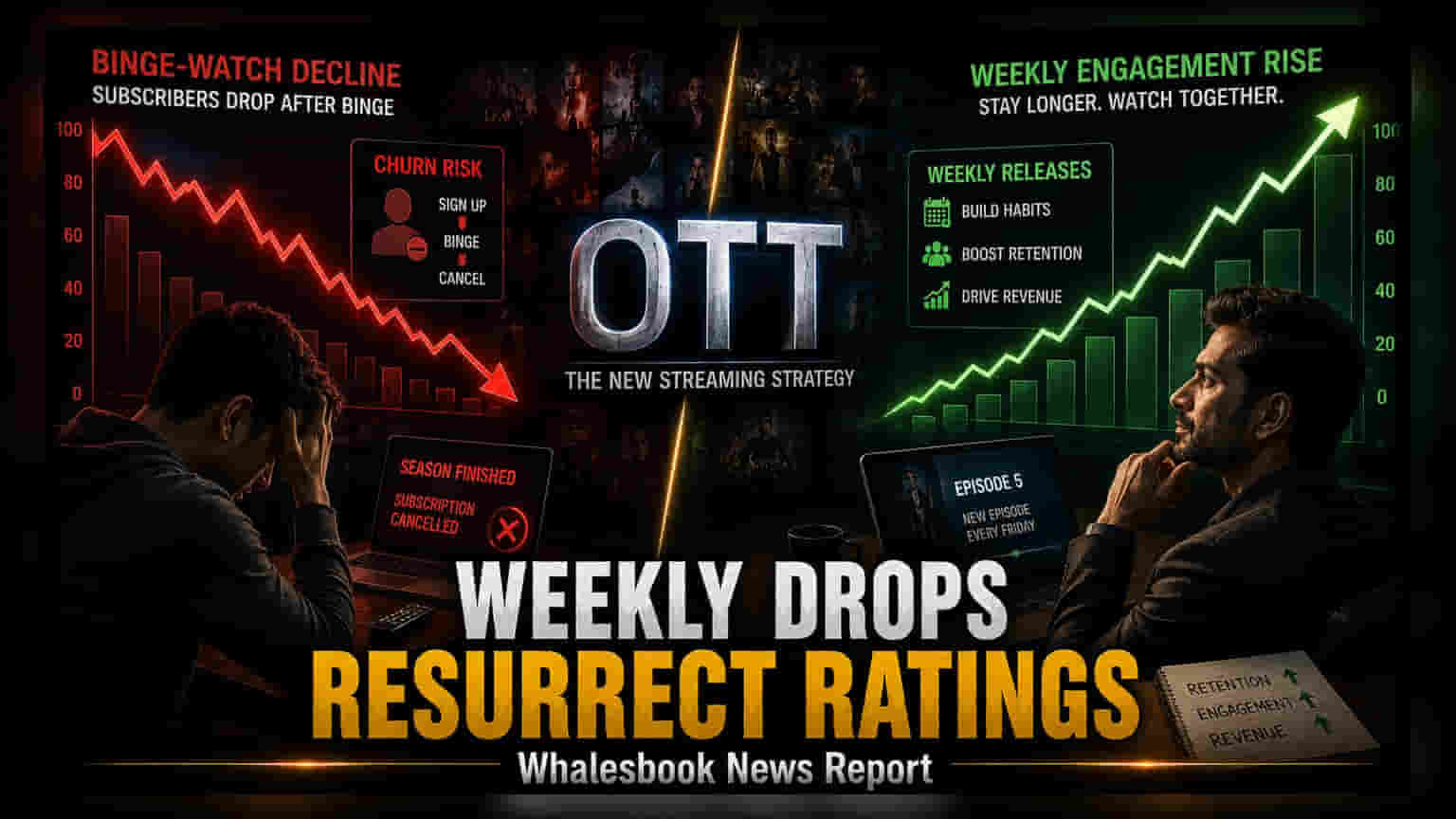
Streaming services are shifting from full-season 'binge' releases to weekly episode drops to combat high subscriber churn. This strategy aims to extend user engagement and maximize subscription revenue by keeping viewers on the platform for longer periods rather than losing them after a single binge session.
Streaming platforms are increasingly moving away from the 'binge-release' model—where an entire season is made available at once—in favor of staggered, weekly, or daily episode releases. This pivot is not just about changing how content is consumed; it is a calculated business strategy designed to solve a core problem in the streaming industry: subscriber churn. By spacing out content, platforms aim to build consistent viewer habits and keep subscribers active on the platform for two or more months, rather than losing them shortly after they finish a popular series.
The Business Logic Behind the Shift
For investors, the primary metric behind this change is 'retention.' When a platform drops an entire season on day one, subscribers often sign up, watch the show in a weekend, and then cancel their membership. This phenomenon, often called 'churn,' forces platforms to spend aggressively on new content to acquire fresh users. Weekly releases act as a defensive measure. By spreading a show over six to eight weeks, a subscriber who might have canceled after a month is incentivized to renew their plan to see how the story concludes.
Additionally, this model creates a more focused window for advertising. For platforms with ad-supported tiers, concentrated viewership over several weeks allows them to sell ad inventory more effectively. Rather than a brief spike in traffic that is hard to monetize, a steady, weekly audience provides a more predictable environment for advertisers.
Financial Trade-offs and Risks
While the strategy helps with retention, it comes with specific financial costs. Marketing campaigns must be sustained over the entire duration of the series, rather than being front-loaded at the time of launch. Industry data suggests that staggered releases can increase overall promotional costs by 15% to 25% due to the need for ongoing influencer collaborations, theory discussions, and recap content to maintain interest.
There is also a risk of audience fatigue. If a show's pacing is slow or if there are too many cliffhangers, some viewers may become frustrated and disengage, or wait until the entire season is out to start watching. Furthermore, this strategy is not a one-size-fits-all solution; it works best for genres like thrillers, mysteries, and crime dramas where the 'waiting game' encourages speculation and social media engagement. Comedy and comfort-focused content often continue to perform better as binge-viewing experiences.
Monitoring Performance
Investors looking at the sector should track how these changes reflect in quarterly company reports. Key indicators to watch include churn rates, the average length of subscription tenure, and ARPU (Average Revenue Per User) in ad-supported tiers. As platforms move away from a 'growth-at-all-costs' mindset toward prioritizing sustainable profitability, the ability to manage content costs while keeping users engaged will be a critical factor in determining long-term financial health. The effectiveness of this release model will ultimately depend on the quality of the content and the platform's ability to maintain 'catalogue pull-through,' where users who come for the weekly episode stay to watch older, evergreen content.