

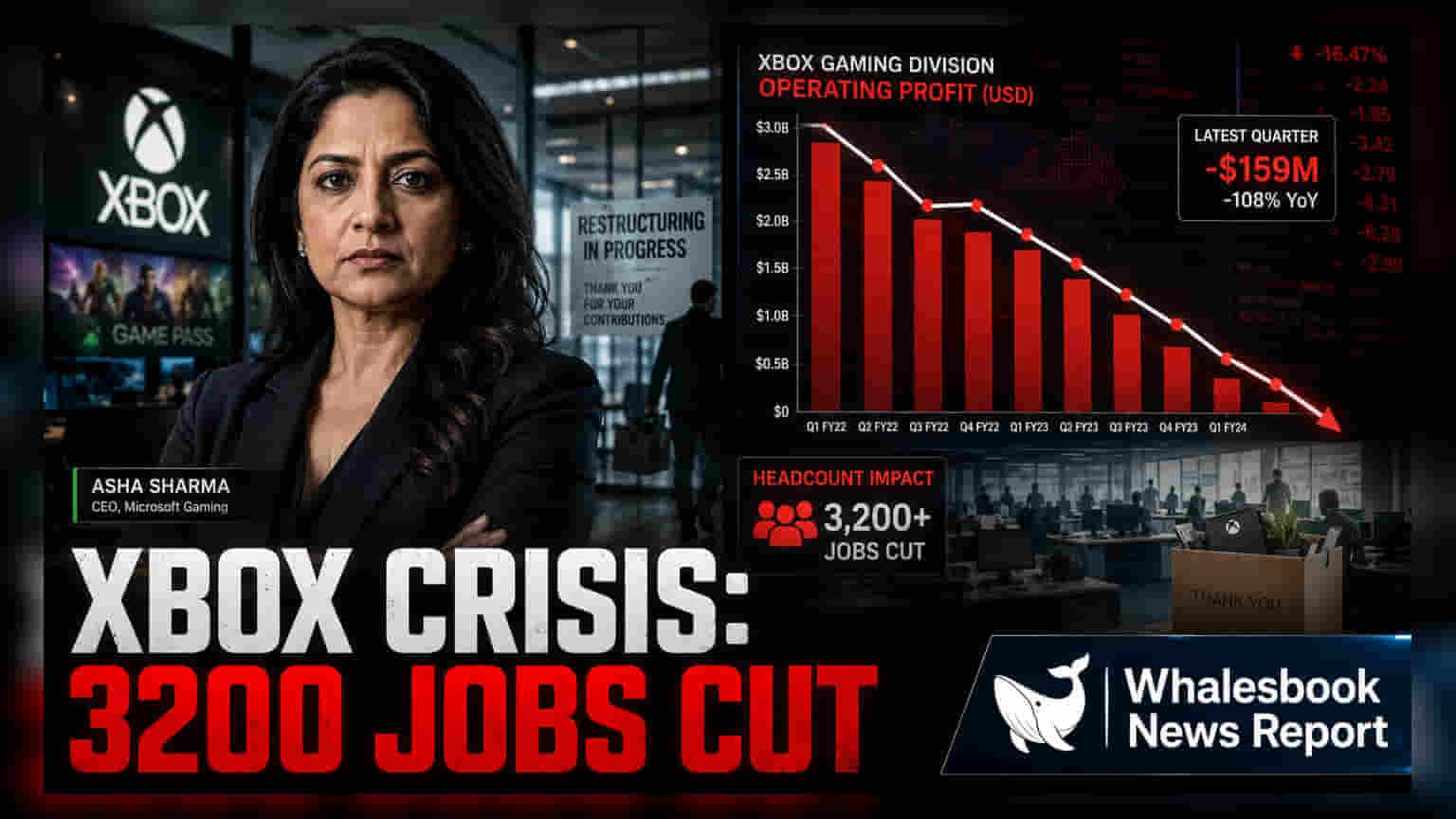
Microsoft's Xbox division is cutting 3,200 jobs, representing 20% of its workforce, to address low profit margins. The company is also divesting four gaming studios as part of a major restructuring plan. Investors are looking for signs that these efficiency measures will help stabilize the gaming segment's financial health.
Microsoft has announced a significant restructuring of its Xbox gaming division, including the layoff of 3,200 employees. This reduction accounts for approximately 20% of the division's total workforce. The move comes as CEO Asha Sharma described the current state of the business as unhealthy, highlighting specific concerns regarding low profit margins that have weighed on the segment's financial performance.
Impact of Studio Divestments and Efficiency Measures
Beyond the workforce reduction, Microsoft is divesting four gaming studios. By selling these assets and streamlining management layers, the company aims to reduce its operational expenses and sharpen its focus on core, high-performing gaming titles. These actions are designed to improve the division's overall financial efficiency, which has been under pressure as the gaming industry faces challenges related to rising development costs and shifting consumer spending patterns.
For investors, the primary concern remains how quickly these cost-cutting measures can translate into better operating margins. While reducing the headcount and shedding underperforming assets may improve the balance sheet in the short term, the company must balance these cuts against the need to maintain a competitive lineup of gaming content. The gaming sector globally has faced difficulties recently, with many companies struggling to maintain the growth rates seen in previous years. High spending on game development and marketing, coupled with a slower pace of new hardware adoption, has created a tough environment for major players.
Future Monitorables for Investors
The success of this restructuring will depend on whether Microsoft can successfully pivot toward more profitable operations without sacrificing long-term growth. Investors may track future quarterly financial reports to see if these changes lead to improved operating margins in the gaming division. Additionally, the market will monitor how the remaining gaming studios perform and whether the company changes its strategy regarding future acquisitions or investments in new gaming content. The timeline for these organizational changes and the potential one-time costs associated with the layoffs will also be key factors in assessing the division's financial health in the coming quarters.