

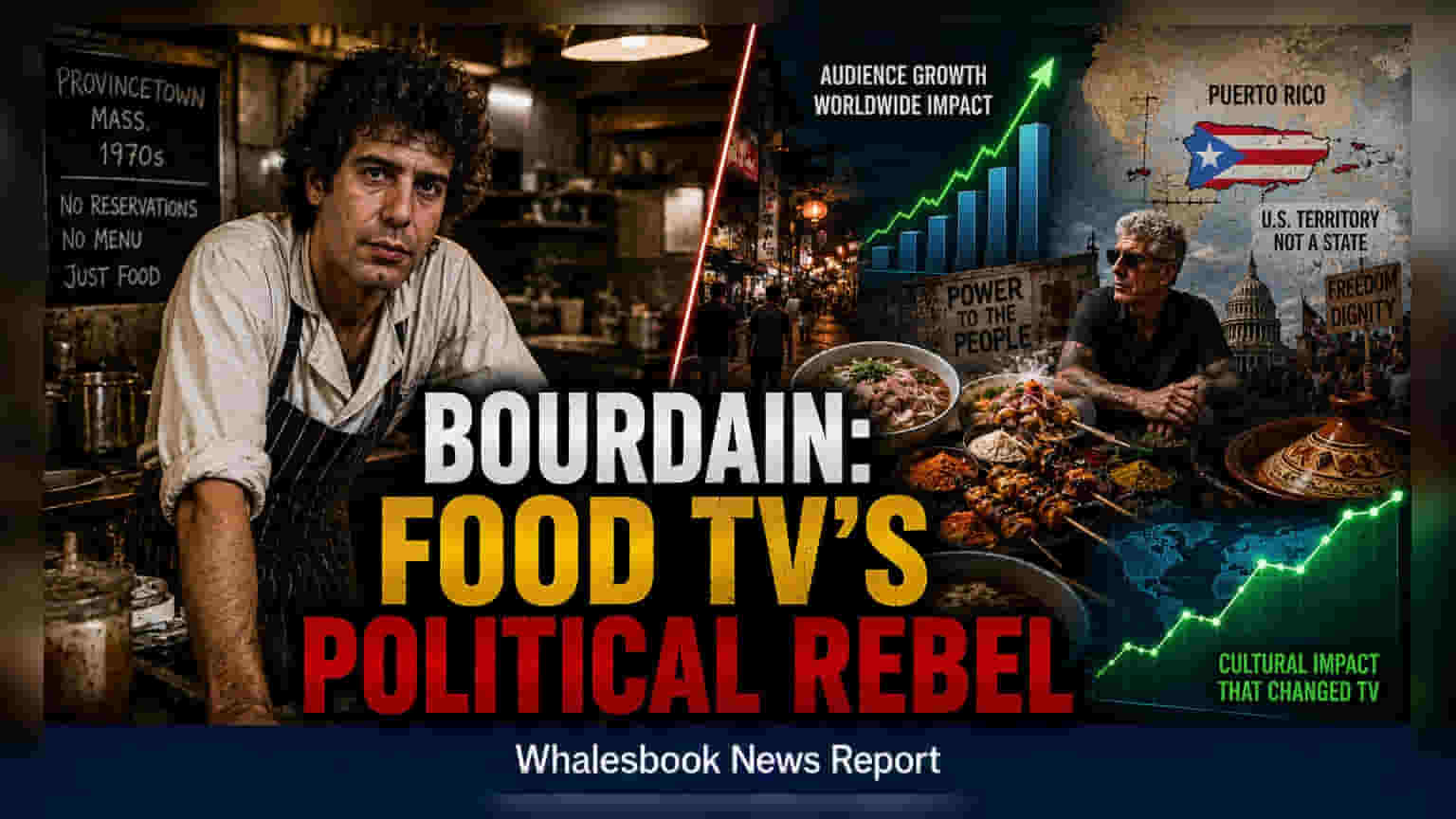
Anthony Bourdain’s shift from formulaic reality TV to immersive, location-based storytelling created a new benchmark for media companies. This transition fundamentally changed viewer engagement patterns, proving that authentic content often delivers higher long-term value than traditional scripted formats. Investors in the streaming sector now recognize this 'Bourdain model' as a critical driver for subscriber retention in a competitive global market.
The influence of Anthony Bourdain on the global media landscape offers a valuable case study for how content strategy has evolved. By moving away from the highly produced, formulaic reality television that dominated the early 2000s, Bourdain established a template for what is now considered premium, character-driven documentary content. For media companies and streaming platforms, this shift was not merely creative; it was an economic pivot toward content with longer shelf-lives and deeper viewer loyalty.
The Shift to High-Engagement Content
Before this change, much of travel and food television relied on safe, studio-centric formats. The Bourdain model introduced a high-cost, high-authenticity approach. By utilizing real-world locations, political commentary, and unscripted narratives, his work broke the barriers of traditional travel shows. In the modern streaming era, this style has become a gold standard. Platforms like Netflix and Warner Bros. Discovery often prioritize this type of 'prestige unscripted' content because it tends to perform well in global markets and remains relevant long after the initial broadcast, unlike standard reality TV shows that often suffer from rapid viewer fatigue.
The Economics of Authentic Production
From a strategic perspective, this model comes with unique financial trade-offs. Unlike studio-based reality television, which allows for controlled costs and recurring sets, the 'Bourdain model' requires significant investment in international production, logistics, and on-location crew management. While this increases the initial capital spending for production companies, the return on investment often comes through brand equity and library value. Authentic, story-driven content is less likely to feel dated, making it a reliable asset for recurring subscription revenue.
Industry Risks and Content Strategy
While the industry has embraced this format, it presents specific business risks that investors and executives must manage. One major risk is the 'key person' dependency. Much of the value in this format is tied to the unique voice and presence of the host. When the format is successfully replicated by other hosts, the challenge remains in maintaining the same level of audience trust and cultural authority. Additionally, the high production cost of remote, multi-country shoots creates pressure on operating margins. Media companies must balance the need for high-quality, 'authentic' content with the realities of tight production budgets.
For investors monitoring the media sector, the monitorable is how platforms balance the rising cost of high-production documentary content against the need for subscriber growth. As audiences become increasingly sophisticated, the move toward localized, culturally relevant storytelling—the path paved by Bourdain’s work—is likely to remain a key strategy for maintaining market share in an overcrowded digital landscape.