 Whalesbook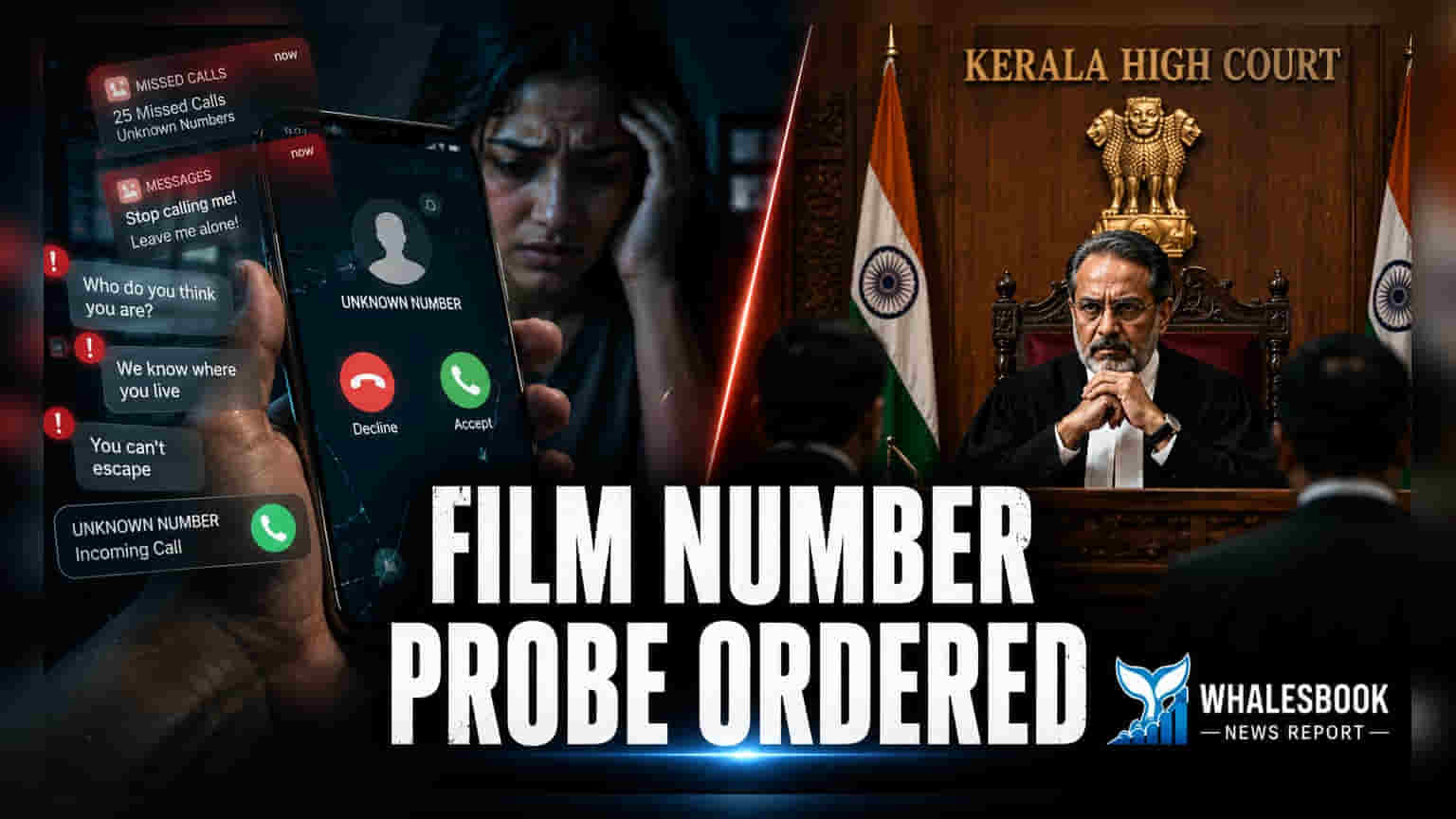


The Liability Crisis for Content Platforms
The judicial directive mandating a police inquiry into the Malayalam production 'Officer on Duty' shifts the burden of responsibility toward digital distributors and production houses. By including streaming giants like Netflix and Zee Entertainment, alongside social media entities such as Meta and WhatsApp, in the legal complaint, the court is addressing a growing friction point: the point at which content hosting becomes complicit in privacy violations. The core issue transcends the initial film production, examining whether platforms failed to exercise adequate due diligence in content review prior to global dissemination.
Regulatory Precedents and Data Privacy
This legal action aligns with a broader trend of tightening oversight under the Information Technology Act and the newer Bharatiya Nagarik Suraksha Sanhita. Historically, film production houses have operated under the assumption that artistic license or unintentional errors in prop design—such as using real phone numbers—carry minimal liability. However, the complainant’s reliance on the IT (Intermediary Guidelines and Digital Media Ethics Board) Rules, 2021, suggests a strategic effort to hold intermediaries accountable for the real-world harm that digital content facilitates. Similar cases in global jurisdictions have often seen platforms forced to implement stricter 'kill-switch' mechanisms to remove compromising frames from distributed content, a move that could set a costly precedent for regional cinema.
The Forensic Bear Case: Operational Risks
Investors in media and entertainment entities should view this case as a warning regarding operational and legal risk. The primary threat here is the potential for mandatory content modification, which incurs significant post-production costs for platforms. Furthermore, the inclusion of Meta and WhatsApp in the litigation highlights the systemic vulnerability of these services to 'swatting' or targeted harassment campaigns initiated by unauthorized data exposure. If the police investigation determines that these entities failed to act on initial take-down requests, the legal exposure could extend far beyond the immediate case, inviting a wave of copycat litigation and forcing producers to adopt stringent 'cleared content' protocols that increase production overheads.
Future Implications for Digital Distribution
The outcome of the June 11 police report will likely dictate the next phase of digital content regulation in India. Should the court find the production and distribution entities liable for the resulting harassment, it will necessitate a fundamental shift in how streaming services vet metadata and visual content before it reaches a global audience. Industry participants are now looking toward clearer guidelines on the liability of intermediaries when human lives are impacted by lapses in content screening.