

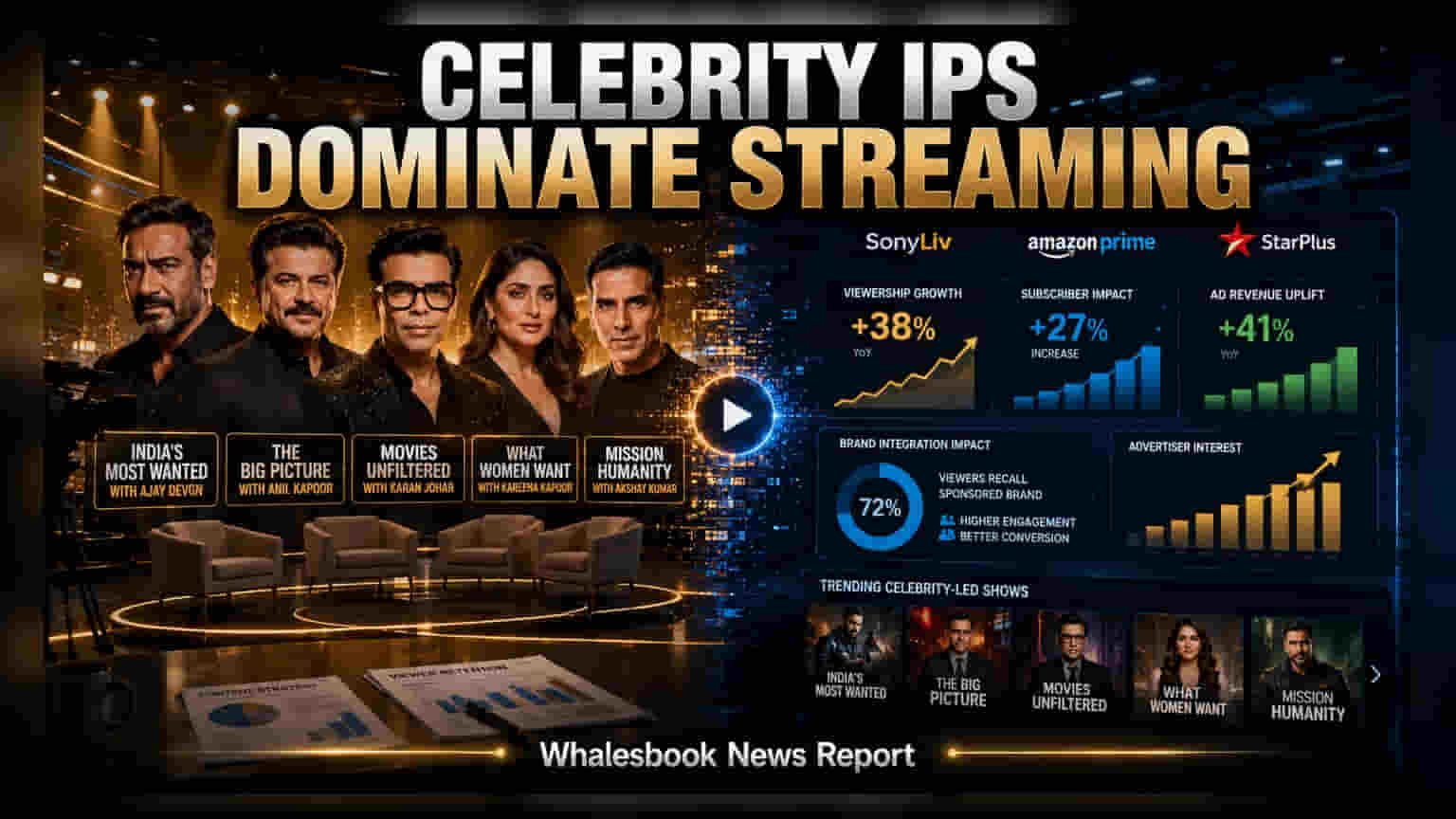
Streaming platforms and TV networks in India are shifting to shows built around specific Bollywood celebrity personas rather than traditional hosting roles. This strategy aims to create unique intellectual property and drive ad revenue, though it faces risks related to regulatory scrutiny over personality rights and dependency on celebrity brand images.
Indian entertainment networks and streaming platforms are undergoing a strategic shift in how they utilize high-profile talent. Rather than hiring stars merely to host shows, companies like SonyLiv, Amazon Prime, and Star Plus are increasingly developing proprietary non-fiction content that is engineered to align with a celebrity’s existing public persona. This transition aims to combat the challenge of content saturation in an era of shortening viewer attention spans.
Building Sticky Intellectual Property
The approach focuses on creating a symbiotic link between the show’s theme and the star’s perceived identity. For example, platforms are leveraging the authoritative, disciplined image of actors like Ajay Devgn for crime-oriented programming, while utilizing the industry-insider reputations of figures like Karan Johar or Anil Kapoor for formats that mirror their real-world standing. By designing shows that offer audiences a perceived glimpse into the celebrity’s world, platforms hope to create "sticky" intellectual property that fosters long-term subscriber loyalty rather than relying on one-off viewership.
For the advertising sector, this trend offers a pragmatic economic model. Traditional direct endorsement deals can be expensive and often lack the depth of narrative integration. Sponsoring a celebrity-led show allows brands to integrate products directly into the content flow, often at a more cost-effective entry point for advertisers. Early observations suggest this can lead to measurable upticks in consumer interest, provided the content remains engaging.
Navigating Regulatory and Operational Risks
While this strategy offers clear benefits for content differentiation, it is not without hurdles. A primary concern for investors and industry observers is the evolving regulatory environment. The media industry is currently under greater scrutiny from regulators regarding personality rights, "finfluencer" guidelines, and potential misinformation caused by AI-generated content or deepfakes. Compliance with the Consumer Protection Act and ASCI guidelines is essential, and any legal challenges to celebrity endorsement contracts can disrupt show production or distribution.
There is also a significant operational risk tied to brand dependency. If a celebrity’s public image suffers due to controversy, the value of the proprietary intellectual property—which is inextricably linked to that person—can erode quickly. Furthermore, the industry faces fierce competition for viewer time. Analysts note that while celebrity names may attract initial interest, they do not guarantee long-term retention; if the actual quality of the show fails to sustain interest after the first few weeks, the celebrity association alone is insufficient to hold the audience.
Investors and market participants should monitor how platforms manage these contracts in the face of changing legal frameworks, particularly in light of recent industry lessons regarding gaming bans and endorsement liabilities. The ability of networks to balance celebrity-driven growth with high-quality content production will be a key factor in determining whether this shift provides lasting value or merely short-term hype.