

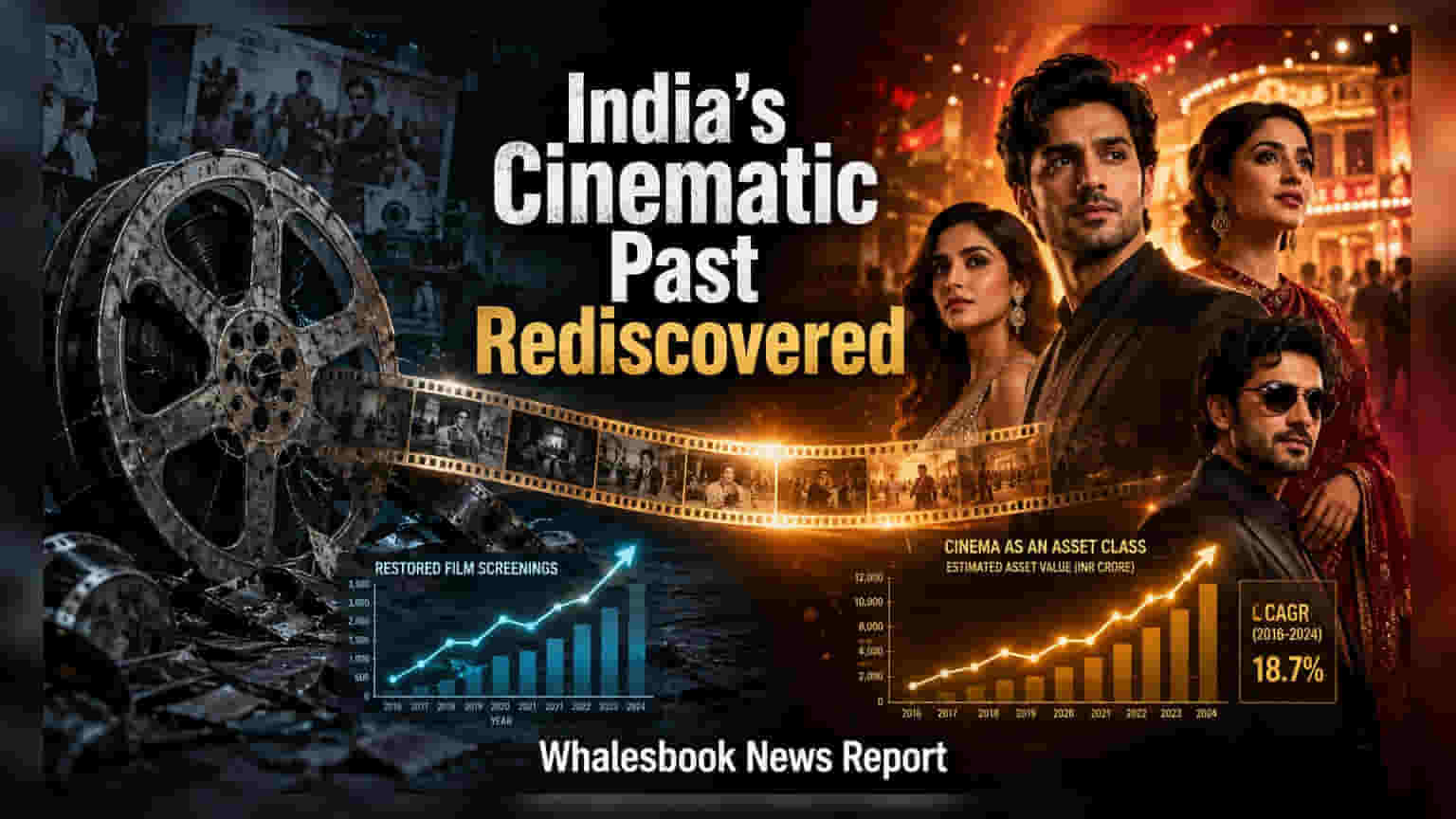
A growing trend of restoring classic Indian films for global festivals is highlighting the importance of content libraries. For media and entertainment companies, preserving high-quality digital assets is becoming a strategic move to boost the long-term value of their film catalogs for streaming and international distribution.
The resurgence of classic Indian cinema on the global stage, with films like 'English, August' and 'Amma Ariyan' being showcased at festivals such as Cannes, Venice, and Toronto, signals more than just a cultural milestone. For the media and entertainment sector, this movement underscores the rising commercial value of high-quality film libraries.
In the era of streaming platforms and global digital distribution, a media company’s library of past productions serves as a critical asset. Historically, film prints were prone to degradation due to physical factors like humidity and chemical decay. However, the ongoing efforts to restore these classics into high-definition digital formats provide a pathway to monetize content that was previously considered 'dead' or unwatchable due to poor quality.
From an investor perspective, this highlights the strategic importance of intellectual property (IP) management. Media houses and studios that hold the rights to extensive film catalogs are increasingly looking at restoration not just as a preservation duty, but as a method to improve the shelf-life of their products. Restored classics are often licensed to international platforms, film festivals, and digital streaming services, creating a secondary revenue stream for companies that own these copyrights.
However, this process is capital-intensive. Film restoration requires specialized technical expertise and significant time, meaning companies must balance the cost of these projects against the expected long-term value. While it is not a primary revenue driver for most media companies, consistent investment in digital archiving and restoration is a key factor in how studios defend their market share against global platforms that are aggressively acquiring or licensing content libraries.
For investors following the media and entertainment space, the trend points toward the 'premiumization' of content. Broadcasters and streaming platforms are prioritizing content quality to retain subscribers. As restoration technology becomes more accessible and cost-effective, the ability to maintain and revive a vast portfolio of films may differentiate top-tier media players from their smaller, less asset-heavy competitors.
The industry is also benefiting from government-backed initiatives like the National Film Heritage Mission, which aims to preserve thousands of films. As these public and private efforts continue, the availability of high-quality 'classic' content will likely grow, potentially opening new distribution channels for established media houses. Market participants may track how media companies leverage their existing libraries and whether they increase their allocation of funds toward long-term asset restoration and digitization.