

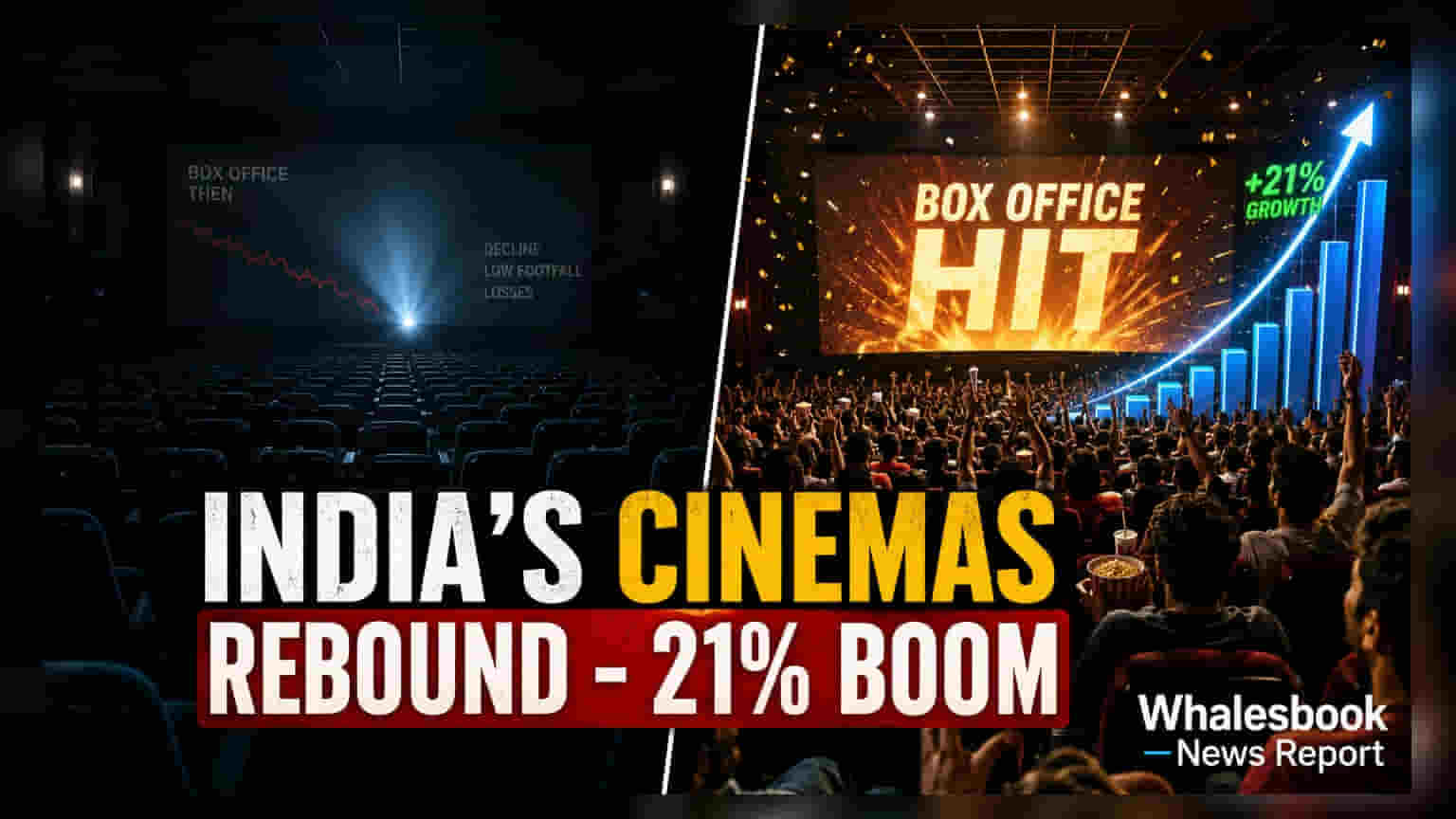
Indian cinema collections grew 21% year-on-year in the first half of 2026, driven by a strong slate of Hindi and regional film releases. This recovery signals potential revenue improvement for cinema exhibitors like PVR INOX, though the sector remains sensitive to the unpredictable nature of film performance and growing competition from streaming platforms.
What Happened
The Indian film exhibition sector recorded a strong 21% growth in box office collections during the first half of 2026 compared to the same period last year. According to the Multiplex Association of India (MAI), which represents over 550 multiplexes and 3,000 screens, this jump was fueled by a diverse lineup of successful movies. Titles across Hindi, Tamil, Telugu, and other regional languages, such as "Border 2," "Dhurandhar 2," and "Welcome to the Jungle," were key contributors to the increased footfalls. This growth was observed not just in major metros but also in Tier-II and Tier-III cities, indicating a widespread return of audiences to theaters.
Why It Matters For Cinema Chains
For investors, the box office performance is a critical indicator of the health of listed cinema operators like PVR INOX. The cinema business model relies on two primary revenue streams: ticket sales and Food & Beverage (F&B) sales. Higher box office collections directly translate into higher footfalls, which in turn drive up F&B consumption—typically the highest-margin segment for multiplex chains. When audiences turn out in large numbers, these companies can better leverage their fixed costs, such as rent and electricity, potentially improving their operating profit margins. The 21% growth suggests that these companies have likely seen an uptick in occupancy levels during the first six months of the year.
The Volatility And Content Risk
While the growth figure is positive, it is important to understand the "hit-or-miss" nature of the exhibition business. Cinema stocks often experience high volatility because their performance is tied to the success of specific film releases. If the upcoming pipeline of movies in the second half of the year does not resonate with audiences as strongly as the first half, footfalls can drop rapidly. Investors often keep a close watch on the release calendar, as the quality and appeal of content are the biggest drivers of revenue, rather than company-specific operational changes.
Competition And Sector Pressures
Beyond content, the sector faces a structural challenge from digital streaming platforms (OTT). With the rapid adoption of high-speed internet and the availability of movies on streaming services shortly after their theatrical run, the window of exclusivity for theaters has effectively shrunk. This shift forces multiplex chains to invest continuously in upgrading the viewing experience—such as premium formats, better sound, and luxury seating—to attract audiences. Additionally, inflationary pressure on household budgets means that discretionary spending on cinema tickets and theater snacks remains a sensitive area, and cinema operators must maintain competitive pricing to sustain demand.
What Investors Should Track
Moving forward, the sustainability of this 21% growth will depend on the audience's willingness to return to theaters for upcoming releases. Investors monitoring the exhibition sector should look for specific data points in quarterly reports, including Average Ticket Price (ATP) trends and Average F&B spend per patron. These metrics often reveal whether the revenue growth is driven by more people visiting cinemas or simply by increasing ticket and snack prices. Additionally, monitoring the management commentary regarding the upcoming release pipeline and any potential expansion plans will be useful for understanding the long-term growth outlook.