

India's Media Fight Over Online TV Streaming Heats Up
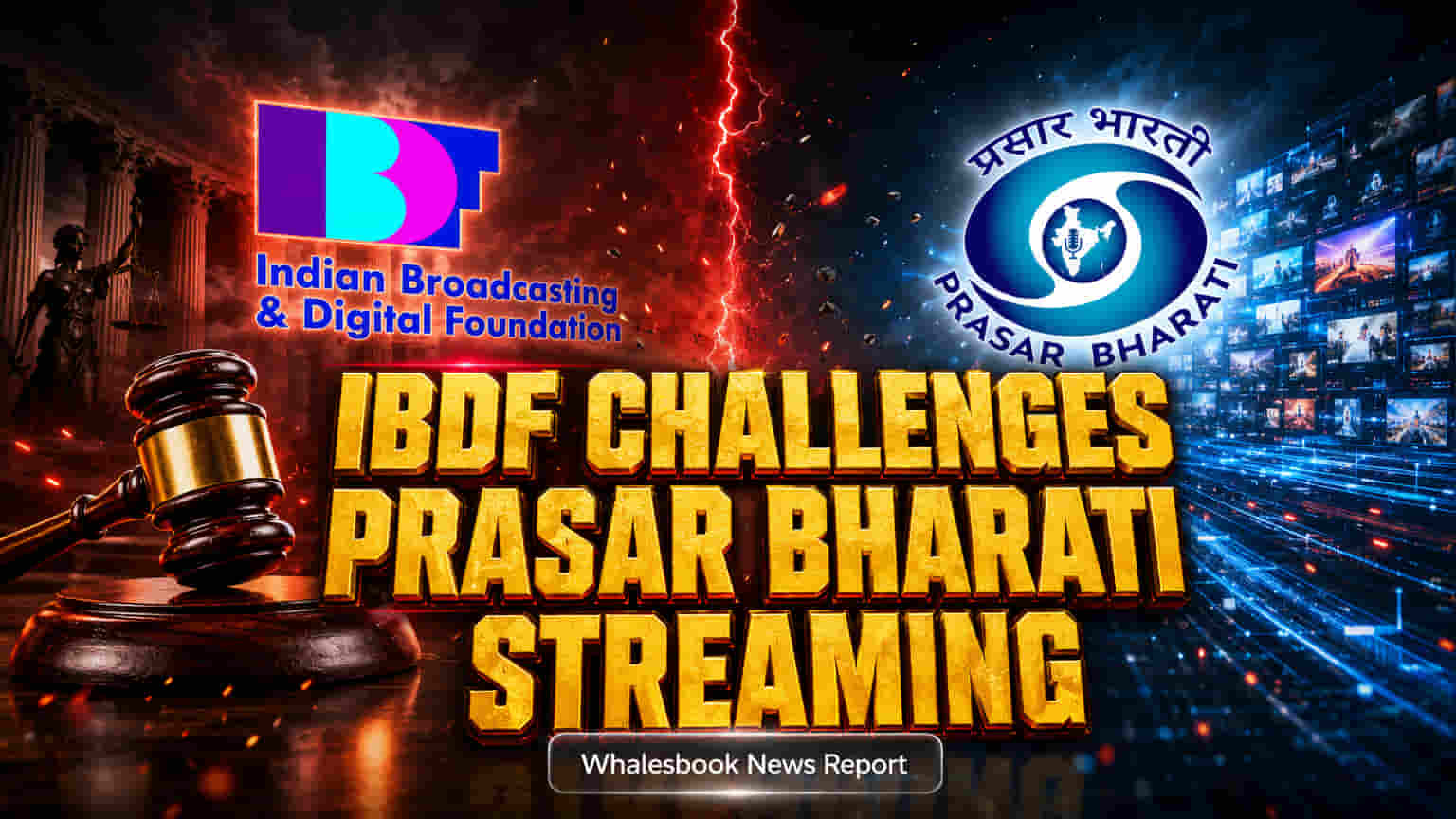
The Indian Broadcasting and Digital Foundation (IBDF) has formally entered the ongoing dispute involving Prasar Bharati's WAVES Over-The-Top (OTT) platform. By backing the All India Digital Cable Federation (AIDCF) at the Telecom Disputes Settlement and Appellate Tribunal (TDSAT), the IBDF signals this conflict over distributing live TV channels online has become a major issue for the whole industry. This intervention turns a specific platform disagreement into a larger debate about the future of media regulation in India, especially as traditional broadcasting and internet services increasingly merge. Prasar Bharati argues that telecom regulators like TRAI and TDSAT do not have authority over OTT content, adding fuel to the regulatory discussions. This comes as India's media and entertainment industry is growing rapidly, with digital media already becoming its biggest revenue source.Cable Operators Claim OTT Platforms Bypass Rules
The core of the AIDCF's argument, now supported by the IBDF, is that some broadcasters are breaking the 2022 Uplinking and Downlinking Guidelines. Clause 11(3)(f) states that signal reception decoders should only go to authorized distributors like Multi-System Operators (MSOs), DTH providers, HITS operators, and IPTV platforms. AIDCF claims OTT services do not fit these categories, meaning their access to live TV channels through traditional infrastructure is unlawful. This move is seen as an attempt to get around the stricter rules that apply to traditional cable and DTH operators, creating an unfair advantage. Many AIDCF member companies, which are themselves multi-system operators, already operate OTT apps that show similar channels. The WAVES platform, launched in November 2024, aims to offer live TV, movies, games, and e-commerce. AIDCF points out a significant difference: while traditional platforms operate under strict licensing, OTT services largely escape comparable oversight.Past Tensions and a Booming OTT Market
This dispute echoes past tensions. In 2021, the Telecom Regulatory Authority of India (TRAI) asked major broadcasters about their OTT streaming methods. The Telecom Disputes Settlement and Appellate Tribunal (TDSAT) has previously ruled that OTT platforms fall under the Information Technology Rules, 2021, and not TRAI, as they don't need central government licenses. The Indian OTT market is a major growth area, valued at $8.94 billion in 2024 and expected to reach $23.88 billion by 2030, driven by increased internet and smartphone use. While platforms like YouTube and JioHotstar lead in users, Netflix and Amazon Prime Video are also significant. Companies like ZEE5 focus on regional content for profit, and SonyLIV offers popular shows. Meanwhile, traditional pay-TV services are losing subscribers to OTT ('cord-cutting'), with revenues expected to fall.Broadcasters Unite: Protecting Members in Regulatory Maze
The IBDF's involvement, representing major broadcasters like Disney Star, Zee, and Sony, makes this a high-stakes regulatory showdown. The foundation has previously argued that OTT platforms should not be subject to the same broadcasting regulations, calling it 'reverse discrimination.' This dispute could lead to extended regulatory confusion. For traditional players, the main concern is that broadcasters might bypass existing distribution networks, further reducing their subscriber numbers and income. The IBDF's intervention is a strategic move to protect its members by demanding clearer and fairer rules, or at least to highlight the current uneven playing field. If this regulatory gap isn't addressed, digital platforms could expand further into areas currently covered by traditional regulations, potentially hindering innovation by established companies while benefiting agile digital players. Historically, media laws in India have often struggled to keep pace with technological changes.Call for Clearer Rules in India's Digital Media
Industry players are closely watching the TDSAT proceedings. The tribunal's decision is expected to set important precedents for how hybrid content distribution models will operate. The continued growth of India's media and entertainment sector, projected to reach INR 2.68 trillion by 2025, depends on stable regulatory conditions. The current conflict highlights a clear need for regulations that recognize the merging of linear TV and digital media, ensuring fair competition. Without such clarity, the sector risks becoming fragmented, with established companies bound by older rules while newer digital entities take advantage of regulatory gaps. Regulators are urged to take a proactive stance to create unified rules, promote fair competition, and ensure the long-term success of India's dynamic media industry.
India Media Fight: IBDF Backs Cable in Prasar Bharati OTT Streaming Row
MEDIA-AND-ENTERTAINMENT
Overview
The Indian Broadcasting and Digital Foundation (IBDF) has joined a legal dispute at the Telecom Disputes Settlement and Appellate Tribunal (TDSAT). It's supporting the All India Digital Cable Federation (AIDCF) against Prasar Bharati's WAVES OTT platform. This fight concerns how live TV channels can be streamed online and highlights major gaps and confusion in India's media regulations. The outcome could set new rules for how content is distributed and overseen in the digital age.
Instant Stock Alerts on WhatsApp
Used by 10,000+ active investors
1
Add Stocks
Select the stocks you want to track in real time.
2
Get Alerts on WhatsApp
Receive instant updates directly to WhatsApp.
- ✓Quarterly Results
- ✓Concall Announcements
- ✓New Orders & Big Deals
- ✓Capex Announcements
- ✓Bulk Deals
- ✦And much more
Disclaimer:This content is for educational and informational purposes only and does not constitute investment, financial, or trading advice, nor a recommendation to buy or sell any securities. Readers should consult a SEBI-registered advisor before making investment decisions, as markets involve risk and past performance does not guarantee future results. The publisher and authors accept no liability for any losses. Some content may be AI-generated and may contain errors; accuracy and completeness are not guaranteed. Views expressed do not reflect the publication’s editorial stance.