

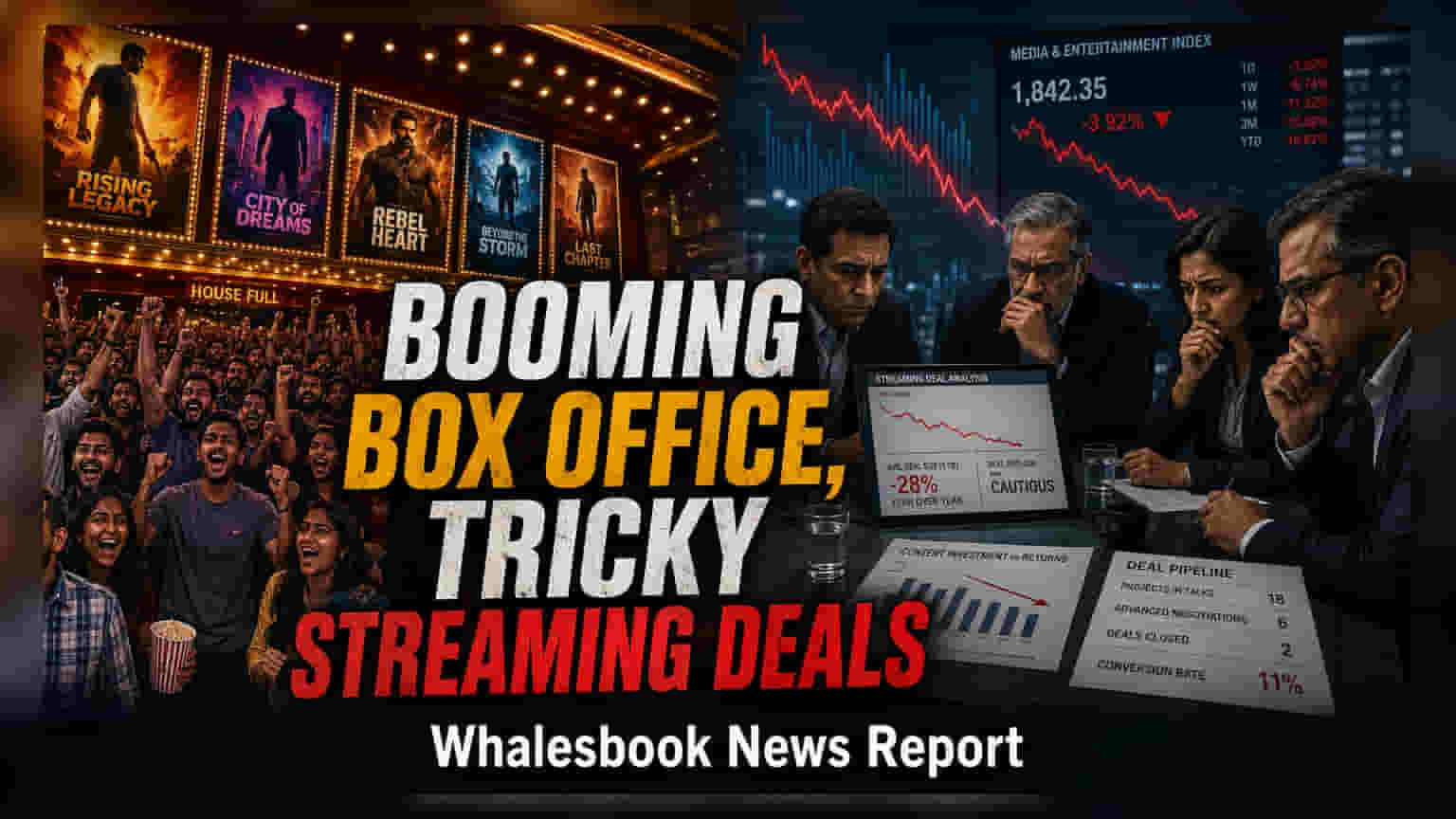
India’s theatrical business recorded a post-pandemic high of ₹6,398 crore in the first half of 2026. However, the market for digital and satellite rights has stalled as buyers now demand performance-linked deals. Investors are shifting focus from pre-sale optimism to theatrical validation, creating new challenges for mid-budget content producers.
The Indian film industry has marked a significant recovery in the first half of 2026, with theatrical collections reaching a post-pandemic record of ₹6,398 crore. This figure outperforms the same period in 2025 by nearly ₹650 crore, signaling that audiences have firmly returned to cinemas. However, this success at the ticket window has not translated into a similar boom for the ancillary rights market, which includes digital streaming and satellite television deals.
Streaming platforms and broadcasters have significantly pulled back from the aggressive acquisition strategies seen during the pandemic. Industry data indicates that the value of streaming rights has dropped by roughly 50%, while satellite rights have seen a steeper decline of 70-80% compared to their peak valuations. Buyers are now prioritizing fiscal discipline over market share, moving away from high-value upfront payments to deals structured around actual audience engagement.
Shift to Performance-Linked Pricing
The fundamental change in the media sector is a move toward performance-linked pricing. Digital platforms no longer offer blanket, high-value deals for films based merely on star power or perceived potential. Instead, contracts are increasingly tied to how well a movie performs in theaters or how much engagement it generates upon release. This shift means that a film's value is now proven through box office numbers before the streaming sale is finalized. For producers and film financiers, this reduces the liquidity provided by pre-sales, making theatrical success a mandatory requirement rather than an optional gain.
Mid-budget and smaller films are facing the most pressure under this new regime. Without the backing of massive star power or a strong theatrical opening, these projects are struggling to find takers at profitable prices. Buyers are becoming highly selective, assessing projects based on 'platform fit' and the specific appeal of the content to their existing subscriber base. As a result, the era of bidding wars for every released film has largely ended.
Institutional Shift in Media Financing
Despite the decline in quick-fix streaming deals, the media industry is seeing a shift toward more formal financing structures. Firms like CineNow are attempting to treat film IP as a structured asset class, moving away from the unorganized, speculative funding models of the past. By institutionalizing financing, stakeholders are focusing on long-term sustainability and risk management rather than relying on one-off, high-risk deals.
The broader media and entertainment sector is also contending with high competition for consumer time. With options ranging from gaming and short-form content to AI-driven entertainment, platforms are careful about where they allocate their capital. For investors, the monitorable trend is the transition from a 'pre-sale' revenue model to a 'performance-validated' revenue model. Success in this market will increasingly depend on a project's ability to demonstrate clear audience demand, making box office metrics the primary gauge for valuation in the current media cycle.