 Whalesbook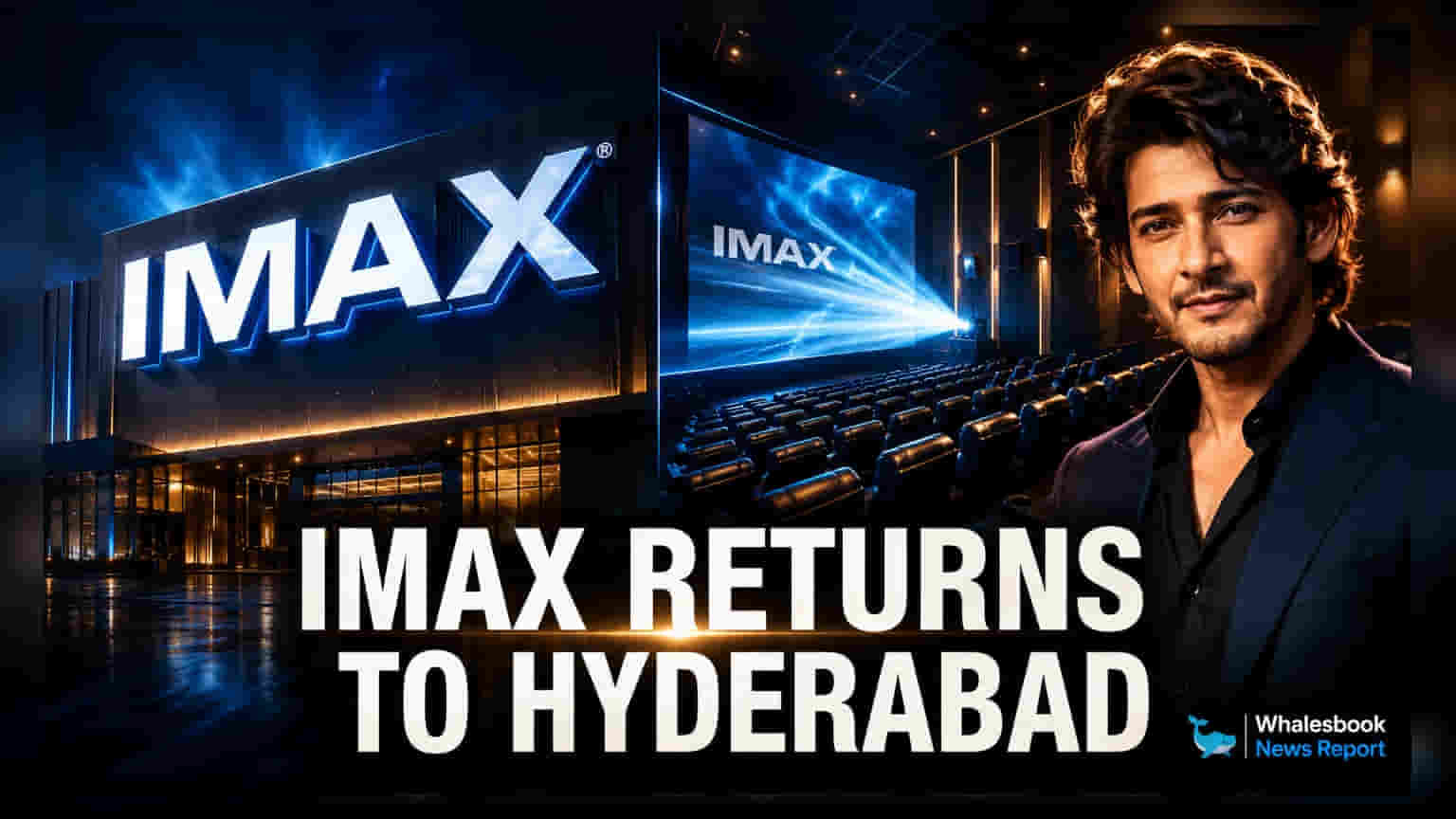


The Shift in Geographic Strategy
IMAX Corporation’s re-entry into the Hyderabad market marks more than just a return to a major metropolitan hub; it is a calculated execution of the 'IMAX 3.0' strategy. Since the closure of the city’s landmark Prasads IMAX in 2015, Hyderabad has remained a glaring omission in the firm's national footprint. By partnering with Asian Cinemas and the AMB Cinemas brand—notably co-owned by Telugu superstar Mahesh Babu—IMAX is securing a foothold within the heart of the regional film industry. The rollout of three 'IMAX with Laser' screens, starting with the AMB Classic location in 2026, serves as a testbed for the company's ability to maintain high-yield premium pricing in non-metro-dominated territories.
The 'Filmed For IMAX' Pipeline
The commercial viability of this expansion hinges on the growing 'Filmed For IMAX' pipeline. Historically, IMAX’s presence in India was heavily dependent on digitally remastered Hollywood titles. However, the company is pivoting toward a more sustainable local-language model. The strategic alignment with S.S. Rajamouli’s upcoming production, Varanasi, underscores this transition. By participating in the production stage of domestic epics rather than relying solely on post-production conversion, IMAX aims to lock in higher utilization rates during non-peak seasons. This approach is designed to mitigate the historical content gap that previously left premium screens idle during weeks without international blockbusters.
Valuation and Market Reality
While this expansion signals growth, investor sentiment reflects a more complex picture. IMAX currently trades at a trailing P/E ratio of approximately 59x, indicating that shareholders are pricing in aggressive future growth. Recent trading activity has been volatile; the stock experienced a significant gap up following rumors of potential buyout discussions, yet the underlying business faces challenges. With a market capitalization of roughly $2.15 billion, IMAX is navigating a transition where its premium-only business model is being challenged by the rising popularity of alternative large-format screens—such as PVR INOX’s P[XL] and luxury offerings—which provide comparable experiences at lower price points.
The Bear Case: The 'Luxury' Trap
Despite the enthusiasm for high-end cinematic experiences, structural risks persist. Analysts have frequently cited the 'luxury gap' as a vulnerability; in price-sensitive markets like India, premium pricing models (commanding 30-40% premiums over standard tickets) often alienate the average theatergoer. Furthermore, while the asset-light 'Joint Revenue Sharing Arrangement' model lowers entry costs for exhibitors, it also exposes IMAX to the cyclicality of regional box office performance. If content pipelines fail to produce high-budget, spectacle-driven films with regularity, the company’s heavy investment in specialized projection hardware could lead to margin compression. The reliance on individual star-power, such as Mahesh Babu or S.S. Rajamouli, also introduces 'key man risk'—should these figures experience a slump in critical or commercial success, the premium screen infrastructure risks becoming an expensive, underutilized asset.