

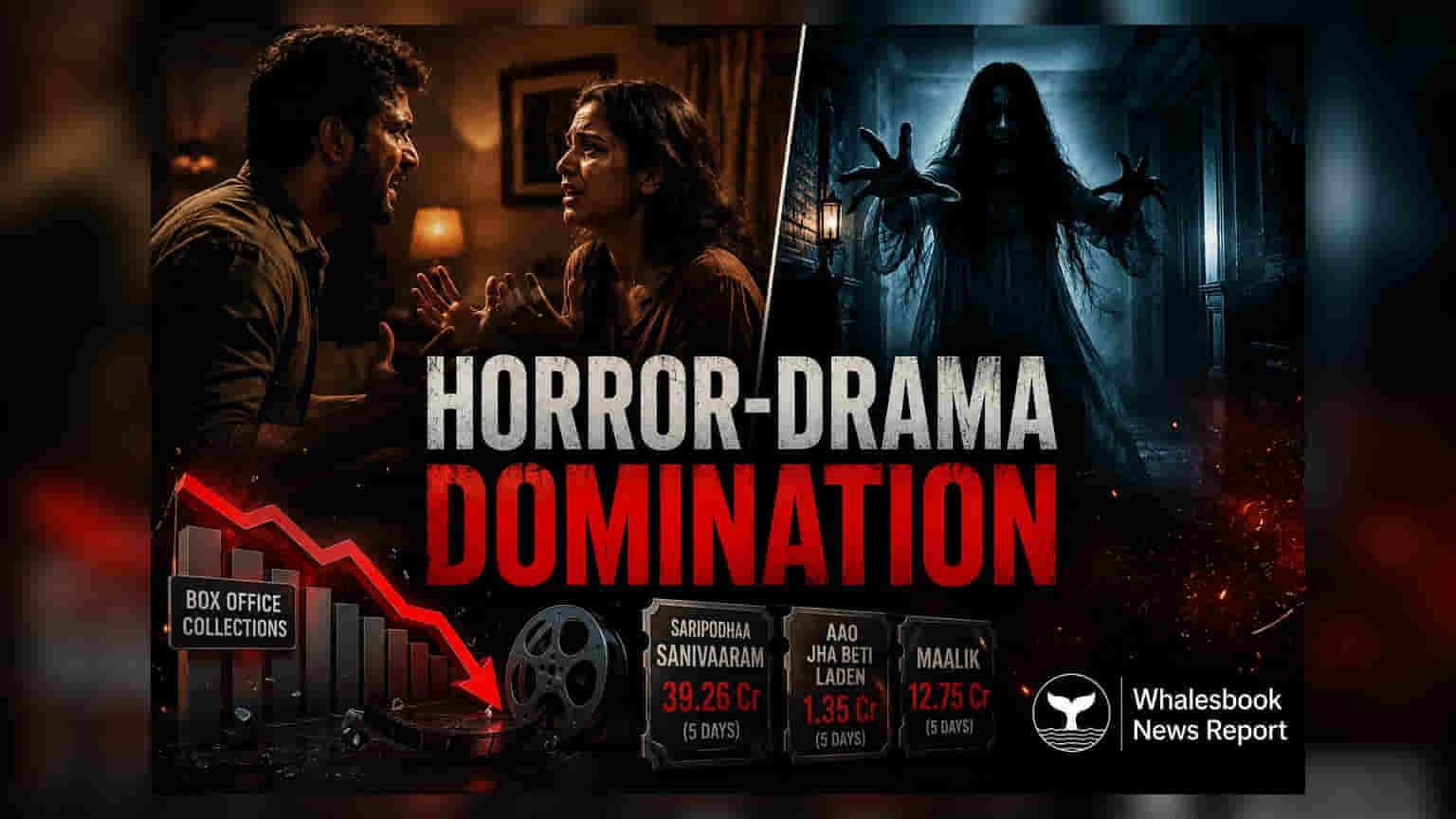
Low-budget horror-drama films are delivering massive box office returns, highlighted by the success of 'Obsession' which grossed $400 million on a $750,000 budget. This trend toward character-driven genre films is changing how studios manage mid-budget production costs.
The global entertainment industry is experiencing a notable shift in theatrical content, with low-budget horror-drama films consistently outperforming expectations. This formula, which combines traditional horror thrills with deeper, character-focused storytelling, has become highly profitable for production studios looking to maximize returns in a competitive market.
Economics of Low-Budget Success
The success of films like 'Obsession,' which achieved a worldwide gross exceeding $400 million against a production budget of only $750,000, illustrates the high profit potential of this niche. By focusing on psychological or supernatural elements to enhance dramatic themes rather than relying solely on expensive special effects, studios can maintain low overheads while appealing to broader audience demographics. This strategy effectively addresses the ongoing challenge faced by mid-budget films in theaters, where traditional dramas have often struggled to compete against streaming-native content.
Changing Audience Preferences
Data indicates that modern audiences are increasingly receptive to horror-adjacent narratives that serve as an emotional buffer. Unlike conventional horror that relies on relentless jump scares, these hybrid films use survival or psychological scenarios to explore complex topics like trauma, power dynamics, and social issues. This flexibility has not only broadened the genre's appeal but has also contributed to a significant increase in female audience engagement. Market research shows that sub-genres focusing on emotional complexity are particularly effective at attracting this growing segment of viewers.
Industry Outlook and Challenges
While the genre is experiencing a surge, production companies face the challenge of consistently delivering high-quality scripts that balance these disparate elements. As streaming platforms continue to dominate the market for pure dramas, the theatrical viability of these hybrid films remains tied to their ability to provide a unique, communal experience. With the global horror film market projected to see continued growth toward 2034, studio performance will increasingly depend on the efficient execution of these low-cost projects. Investors monitoring media companies may watch for shifts in content strategy, as studios pivot away from larger budget projects toward these high-margin, character-driven horror narratives to stabilize profitability in a volatile market.