

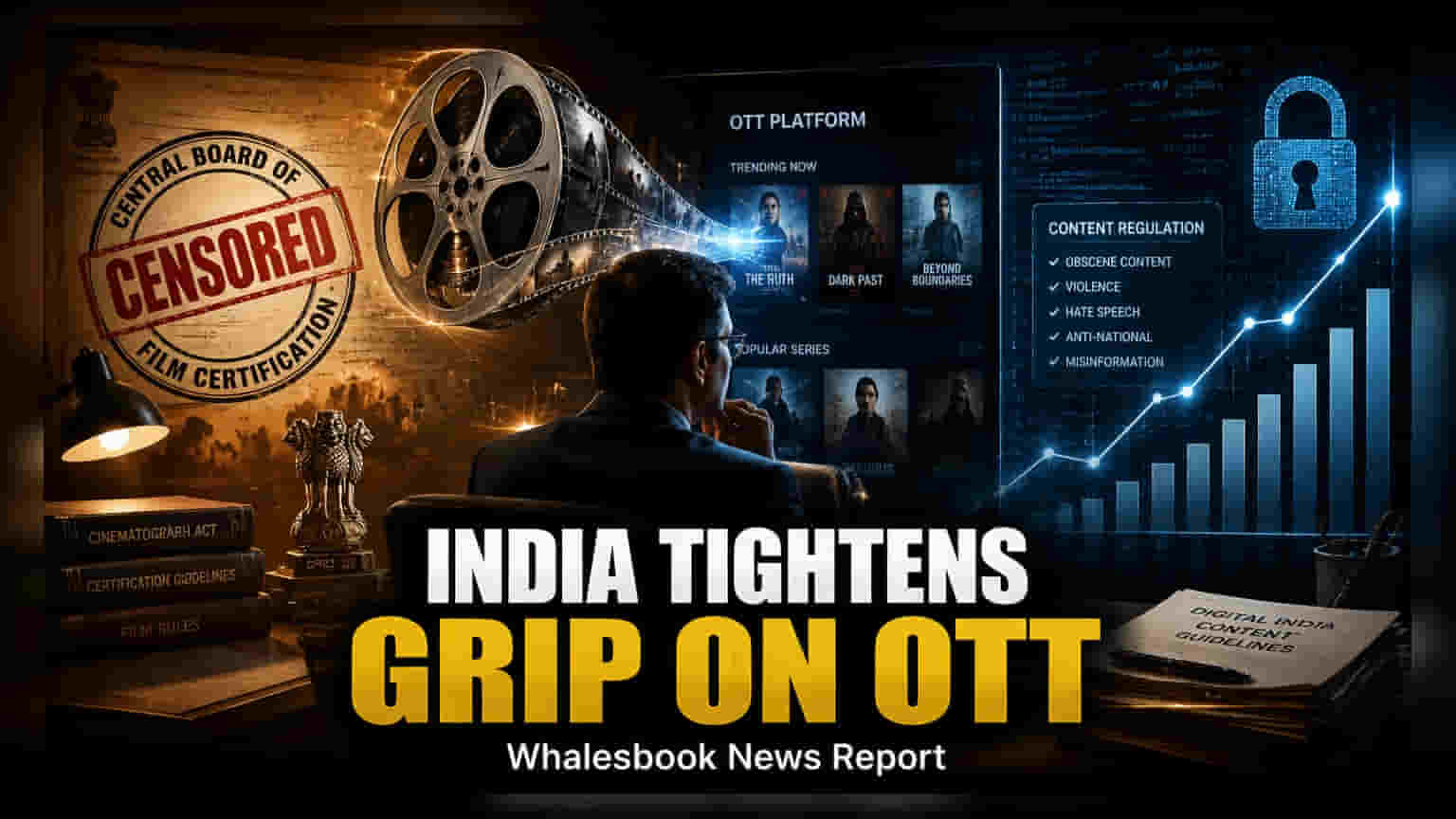
The Indian government is reviewing IT Rules 2021 to mandate pre-release film certification for OTT platforms. This follows a government directive to remove a film from ZEE5 over national security concerns. The change could lead to stricter regulatory oversight and impact future content releases on streaming services.
The Ministry of Information and Broadcasting is actively exploring amendments to the Information Technology (Intermediary Guidelines and Digital Media Ethics Code) Rules, 2021. The proposal aims to bring content on Over-The-Top (OTT) streaming platforms under a mandatory pre-release certification process, similar to the requirements currently enforced for theatrical film releases through the Central Board of Film Certification (CBFC).
This policy shift follows a recent incident involving ZEE5, which streamed a film centered on the life of activist Jaswant Singh Khalra. The content was removed from the platform on July 5, merely two days after its release, following a government order. Officials cited concerns regarding national security and potential threats to India’s sovereignty as the primary reasons for the directive. Reports indicate that the film had not received clearance from the CBFC and was still undergoing review with suggested edits prior to its digital debut.
Regulatory Impact on Streaming Services
Currently, OTT platforms operate under a self-regulatory framework, which allows them greater flexibility in releasing content compared to traditional media. If the proposed changes are implemented, platforms would lose this autonomy for film releases, potentially leading to increased compliance costs and longer wait times before content becomes available to viewers. A government-appointed committee has recommended that the film remain blocked from public access, citing violations of national integrity. While the government already holds powers under Section 69A of the IT Act to block online content that threatens public order or sovereignty, a move toward mandatory certification would represent a significant expansion of regulatory control.
For investors and stakeholders in the media and entertainment sector, these developments highlight a growing trend of increased oversight for digital media. While streaming platforms have been major drivers of growth for media companies, the risk of content delays, legal challenges, and the potential need for costly re-edits could affect future profitability. The operational impact will depend on the final structure of the rules, specifically how they define content subject to certification and the timeline for the approval process.
Investors may monitor for further notifications from the Ministry of Information and Broadcasting regarding the timeline for these amendments. Other key factors to track include the platform’s future approach to content acquisition and its strategy for managing regulatory compliance, as well as any broader industry reaction from other major streaming services operating in India.