

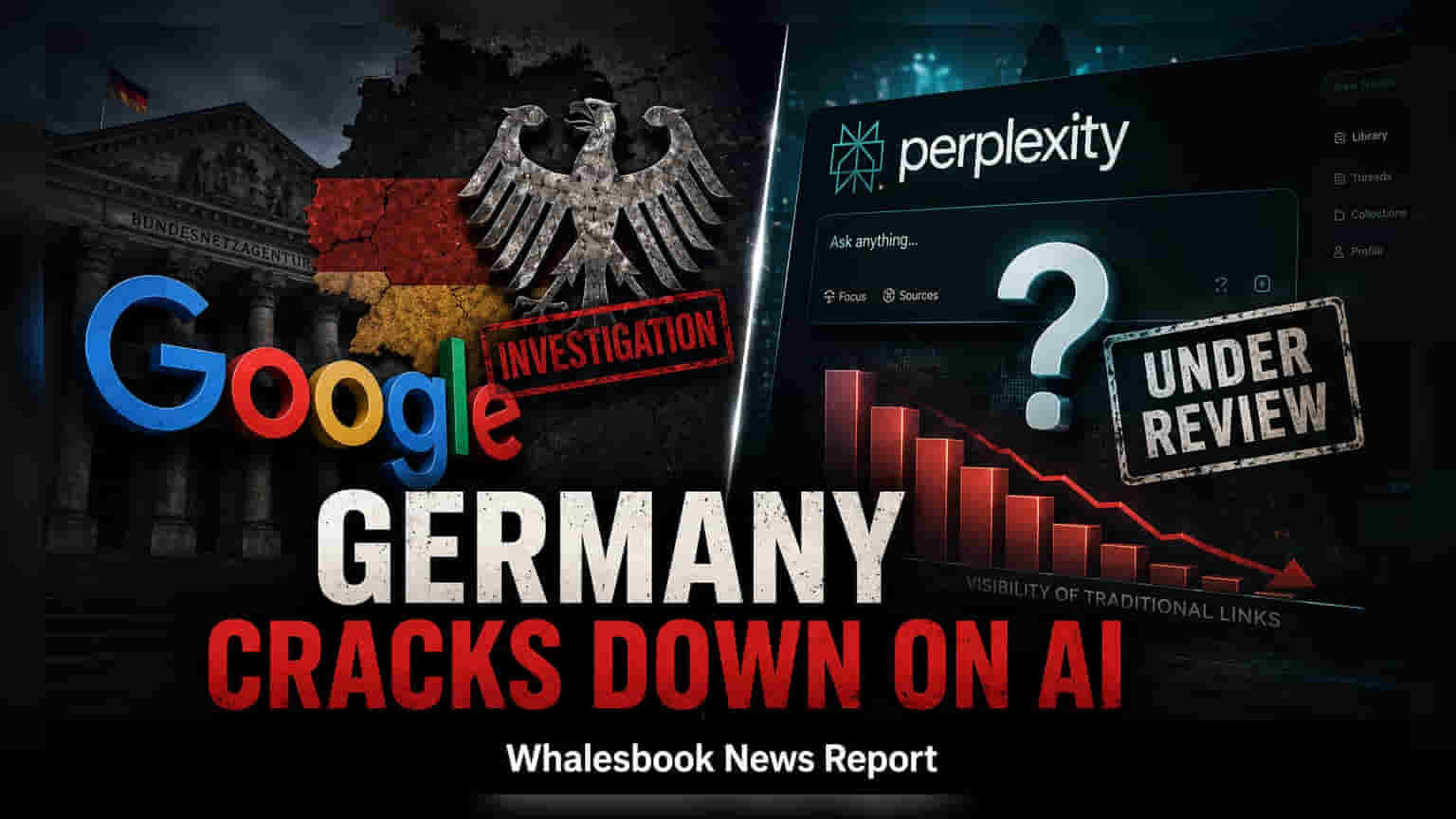
Germany’s media regulator has ruled that Google AI Overviews and Perplexity AI must follow national media laws. This shifts their status from neutral search tools to content creators, potentially increasing their legal liability and regulatory oversight. The decision aims to protect media visibility and ensure compliance with European media standards.
The Commission for Licensing and Supervision, known as ZAK, has officially brought major AI platforms under the scope of German media legislation. This decision targets services like Google AI Overviews and Perplexity AI, marking a significant change in how these tools are regulated within the European market. By classifying AI-generated summaries as provider-created content, the regulator is removing the legal protections often enjoyed by platforms that simply host third-party information.
Impact of the Legal Reclassification
The core of the regulator's argument lies in the nature of AI responses. ZAK maintains that when an AI generates a news summary or answers a query, the service acts as a publisher rather than a passive intermediary. This distinction is crucial because it limits the ability of these companies to rely on the liability exemptions found under the European Union’s Digital Services Act. Under these new guidelines, if an AI generates inaccurate or harmful content, the provider may be held directly responsible, a standard that was previously tested in a Munich court regarding errors within Google's search features.
Concerns Over Market Dominance and Media Visibility
Beyond legal liability, the German regulator expressed concern about how AI services influence user traffic. ZAK highlighted that features like Google’s AI Overviews, which occupy the top positions in search results, often push traditional website links further down the page. This practice could significantly reduce traffic to independent news outlets and media publishers. Similarly, chatbots such as Perplexity are being scrutinized for how they select which sources to highlight. The regulator is examining whether these services function as media intermediaries, which could eventually force them to adhere to stricter rules meant to maintain a diverse and fair media environment.
Next Steps for AI Platforms
While this ruling increases the regulatory burden, it is not a final shutdown of services. Google and Perplexity maintain the right to challenge this classification through the legal system. Perplexity has indicated its commitment to existing EU privacy standards and data security certifications. Investors and industry participants will now watch to see if these companies adjust their search algorithms to improve transparency or if they choose to contest the ZAK ruling in court. The outcome could set a precedent for how other European nations handle AI-generated news content and platform liability in the coming years.