

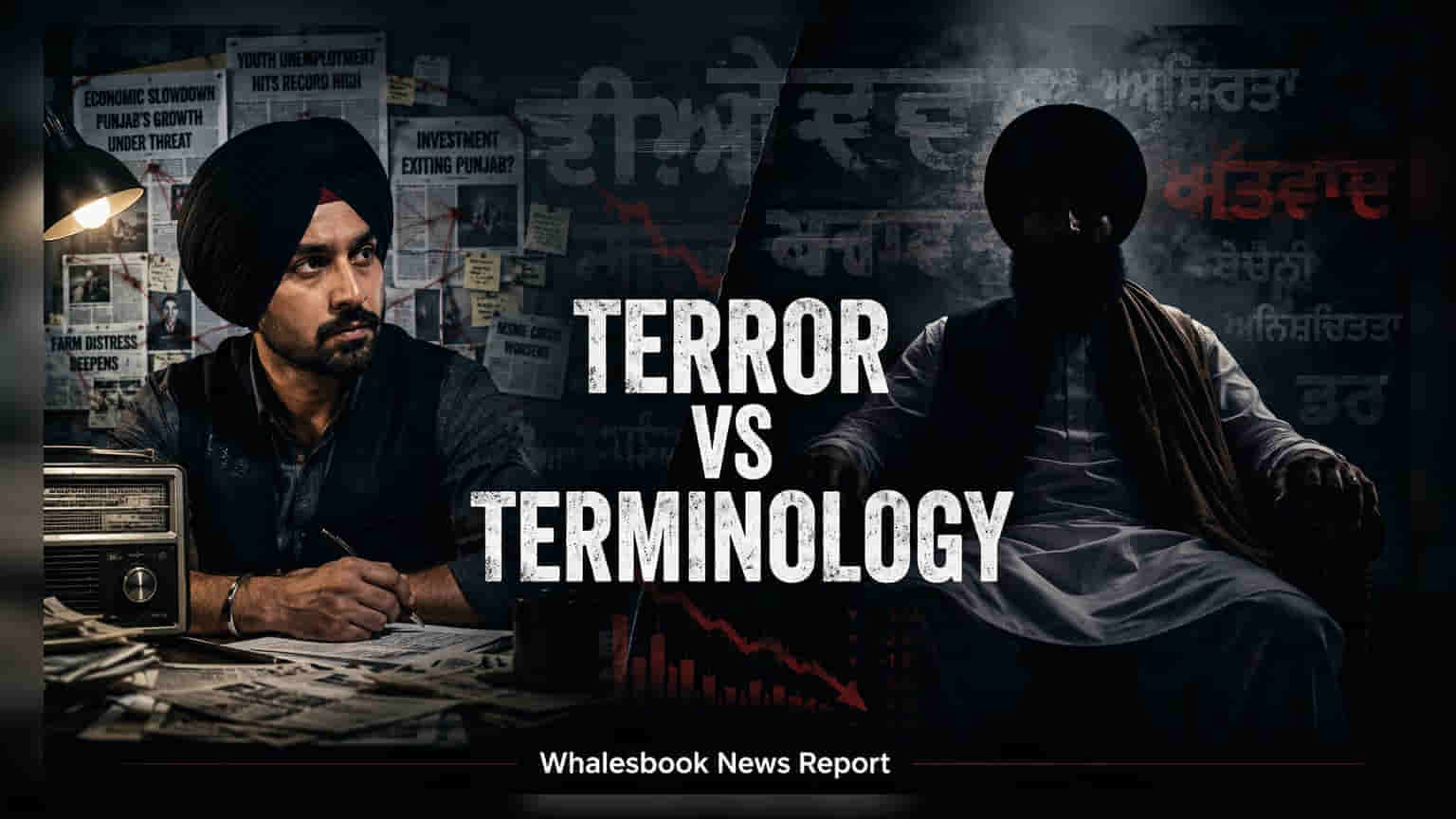
A debate has emerged over a film's use of the term 'kharku' to describe militants. This controversy draws parallels to the 1992 killing of All India Radio official ML Manchanda by Babbar Khalsa terrorists, highlighting ongoing sensitivities regarding how past violence is portrayed in modern media.
The film "Satluj" has triggered a public debate regarding its use of the term "kharku" to refer to Sikh militants. The terminology has re-opened discussions about the era of the Punjab insurgency and the violent methods used during that period to influence media narratives. For many, the debate is not merely linguistic but deeply tied to a history of targeted violence against journalists and media organizations.
The 1992 AIR Patiala Incident
The controversy has brought renewed attention to the 1992 murder of M.L. Manchanda, who served as the station director for All India Radio (AIR) in Patiala. At the time, Babbar Khalsa—a group classified as a terrorist organization—demanded that the broadcaster stop airing Hindi programming and switch exclusively to Punjabi. After the demands were resisted, Manchanda was abducted and killed. His remains were discovered in separate locations, an act that was widely seen as a calculated move to force media outlets into complying with militant diktats.
The Complexity of 'Kharku'
The term "kharku" is central to the current disagreement. During the late 1970s and 1980s, the word was often adopted by militants to describe themselves, intending to frame their actions as acts of courage or warfare. This usage was in direct opposition to government-preferred terminology such as "aatankwadi" (terrorist). Academics and observers note that the word carries a contested history, where the same individuals were branded differently depending on the political viewpoint of the narrator—ranging from "militant" to "martyr."
Historical Pressure on Media
The 1992 murder was not an isolated event but part of a broader pattern of intimidation against the press during the Punjab insurgency. Various media houses, including the Hind Samachar group, faced systematic attacks, resulting in the loss of numerous journalists and staff members. These actions were intended to control the public perception of the movement. The current debate around "Satluj" reflects how these historical wounds remain sensitive, with many arguing that specific terminology can inadvertently sanitize the actions of organizations that used violence to pursue their objectives.
As the film faces criticism, the focus remains on how media creators balance historical authenticity with the impact such narratives have on victims' families and collective memory. Future discussions are likely to revolve around the responsibility of filmmakers in handling the legacy of groups and individuals associated with past periods of civil unrest.