

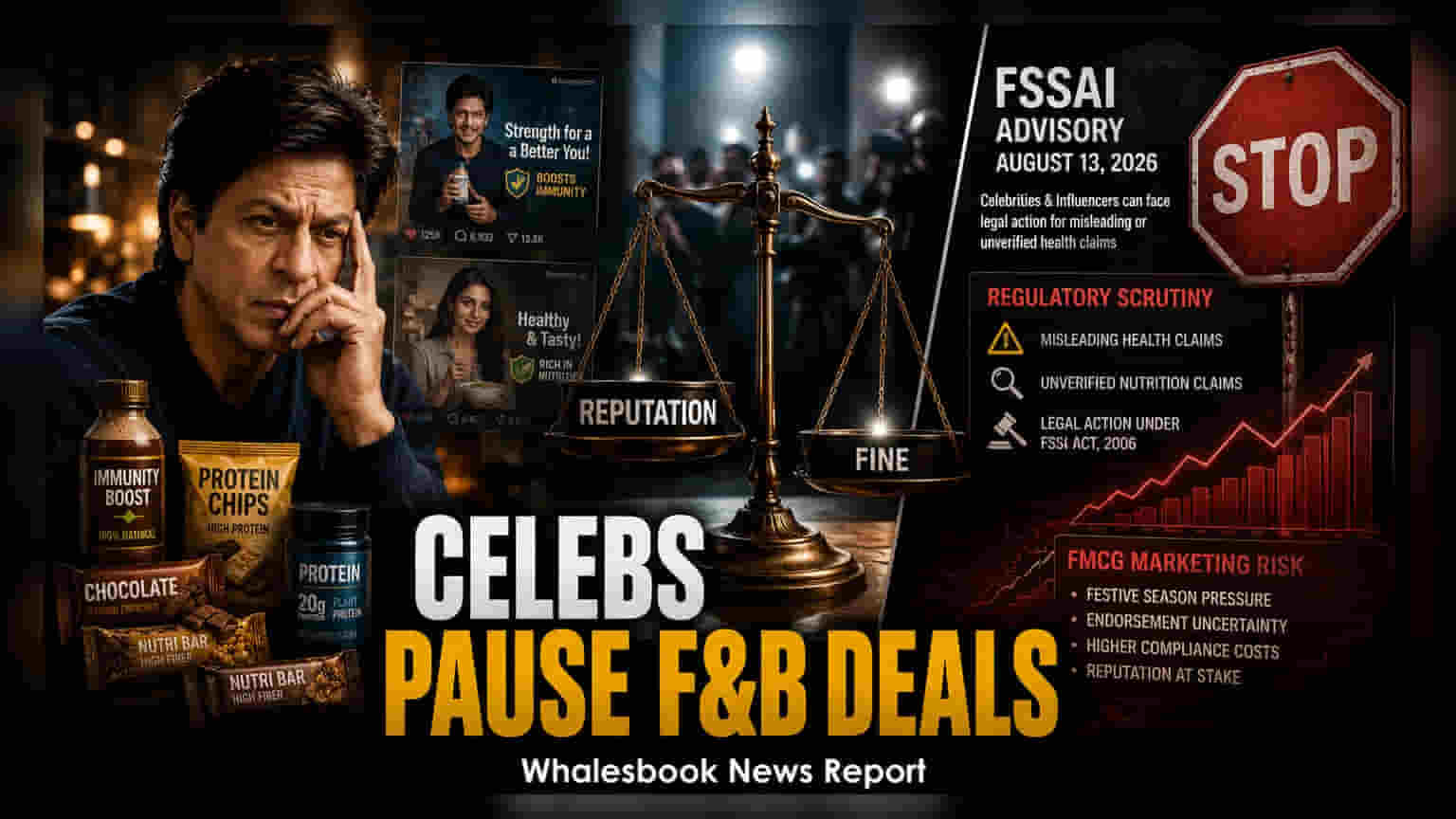
Bollywood actors and influencers are halting endorsement deals with food and beverage brands following stricter FSSAI warnings issued on August 13, 2026. The regulator has clarified that endorsers share legal responsibility for misleading health claims, forcing a change in marketing strategies. For investors, this shift could impact how consumer goods companies execute advertising campaigns during the crucial festive season.
Bollywood actors and prominent influencers are actively reassessing or pausing their endorsement contracts with food and beverage brands as regulatory scrutiny intensifies. This shift follows a formal advisory issued on August 13, 2026, by the Food Safety and Standards Authority of India (FSSAI). The regulator warned that celebrities and influencers who promote food products with unverified or misleading health claims, such as claims regarding immunity or nutritional content, could face legal action under the Food Safety and Standards Act, 2006.
For investors, this trend creates a new friction point for fast-moving consumer goods (FMCG) companies. The upcoming festive season is typically a peak period for advertising, with brands heavily relying on celebrity faces to drive demand for snacks, chocolates, and packaged foods. If major stars become reluctant to sign new deals due to the threat of legal liability and negative public perception, companies may face disruptions in their marketing campaigns. Brands might need to pivot toward different advertising strategies or invest more in legal due diligence, which could influence marketing expenditure.
The regulatory environment has become significantly more stringent, with authorities explicitly stating that brand ambassadors share legal responsibility for misleading representations. Past show-cause notices from the Maharashtra Food and Drug Administration regarding surrogate advertisements have already established a precedent for stricter enforcement. As a result, talent management firms are increasingly prioritizing legal safety and reputational health over potential endorsement fees.
This development is significant because it challenges the traditional playbook for brand building in the Indian packaged food industry. Companies that have historically relied on celebrity-heavy marketing may need to reassess their approach to avoid potential regulatory and social backlash. Moving forward, shareholders may want to observe how these FMCG companies adjust their marketing communication. The key monitorable will be whether companies can effectively sustain their advertising visibility without traditional high-profile endorsements, or if the increased need for compliance checks leads to higher operational costs that could affect marketing budgets in the coming quarters.