

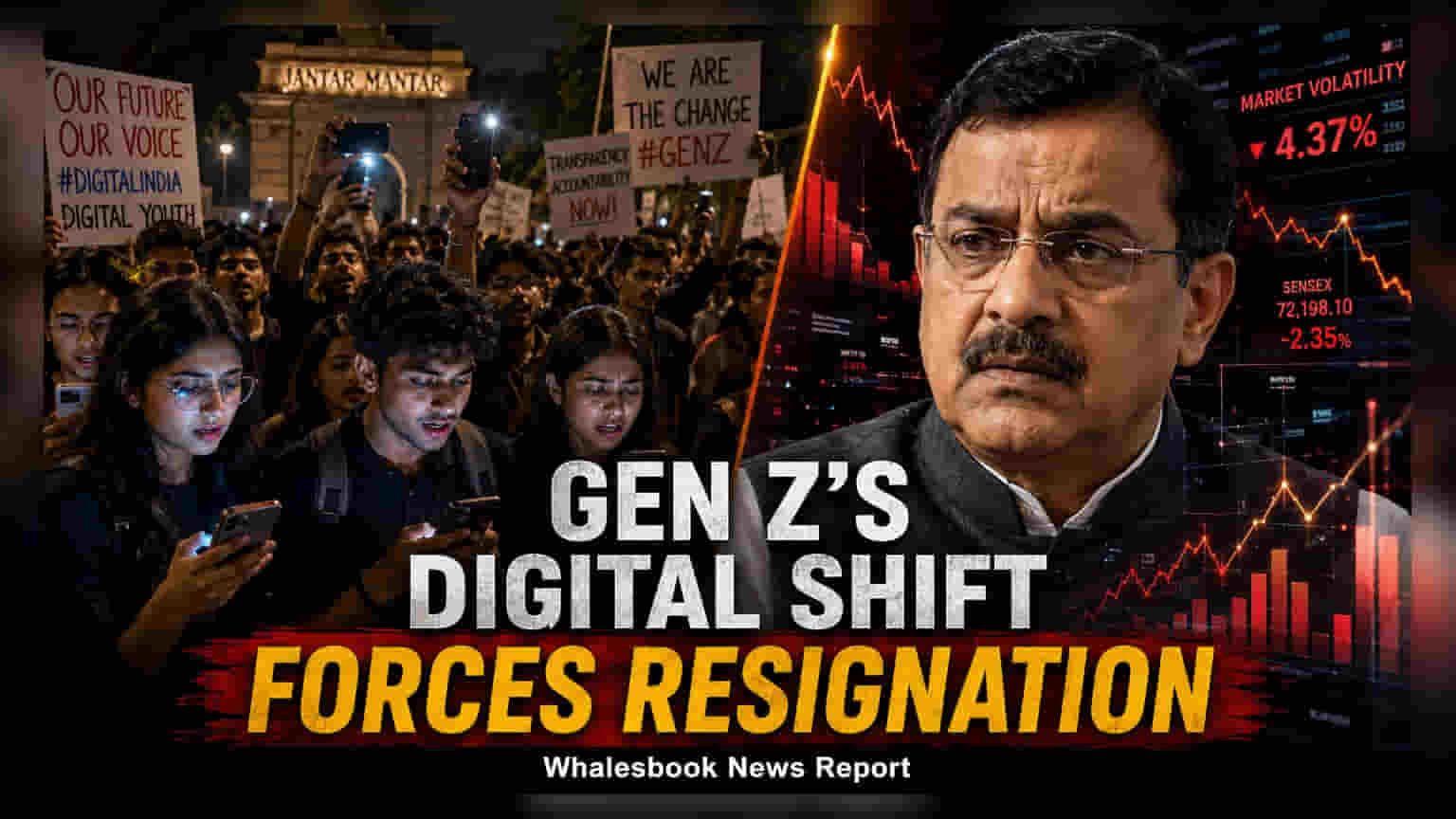
Union Education Minister Dharmendra Pradhan has resigned following widespread protests at Jantar Mantar. The movement gained significant momentum through digital mobilization and social media campaigns led by young participants. Investors and stakeholders are now awaiting clarity on the succession plan and the potential impact on ongoing education policy reforms.
Detailed Coverage
Union Education Minister Dharmendra Pradhan has officially resigned from his post as of July 25, 2026. This decision follows a period of intense public protest at Jantar Mantar, where demonstrators gathered to voice concerns over various education-related issues. The resignation marks a significant change in the leadership of the Ministry of Education, an office that oversees critical national policies including curriculum development, higher education standards, and large-scale funding allocations for academic institutions.
Digital Mobilization and Public Sentiment
The protest movement drew significant national attention, largely due to the unconventional methods of organization used by the participants. Rather than relying on traditional protest structures, the demonstrators utilized various social media platforms to disseminate their messaging, create viral content, and coordinate activities in real time. This digital strategy facilitated a rapid increase in participation, drawing students and supporters from diverse regions across the country. The ability of this demographic to influence public discourse through online channels highlights a shift in how social and political movements interact with government policy in India.
Policy Implications and Next Steps
For the education sector, the immediate focus shifts to the continuity of ongoing initiatives. The Ministry of Education is currently responsible for several high-priority projects under the National Education Policy (NEP) framework. These include structural changes to school boards, university research grants, and digital infrastructure expansion in rural areas. The resignation of the cabinet minister introduces a period of uncertainty regarding the timelines and execution of these projects. Market observers and education-sector stakeholders will be tracking the appointment of a successor to determine if there will be any shifts in the current policy trajectory or budgetary priorities.
What Investors and Stakeholders Should Monitor
The key monitorable in the coming weeks will be the government's official announcement regarding the new Education Minister. Investors involved in the education, ed-tech, and publishing sectors may look for signals regarding whether the incoming leadership maintains the status quo or introduces revisions to existing reforms. Additionally, any updates from the Ministry concerning the status of pending tenders, regulatory approvals for new educational institutions, and funding disbursements for government-backed research programs will provide further clarity on the sector's operational stability following this leadership change.