

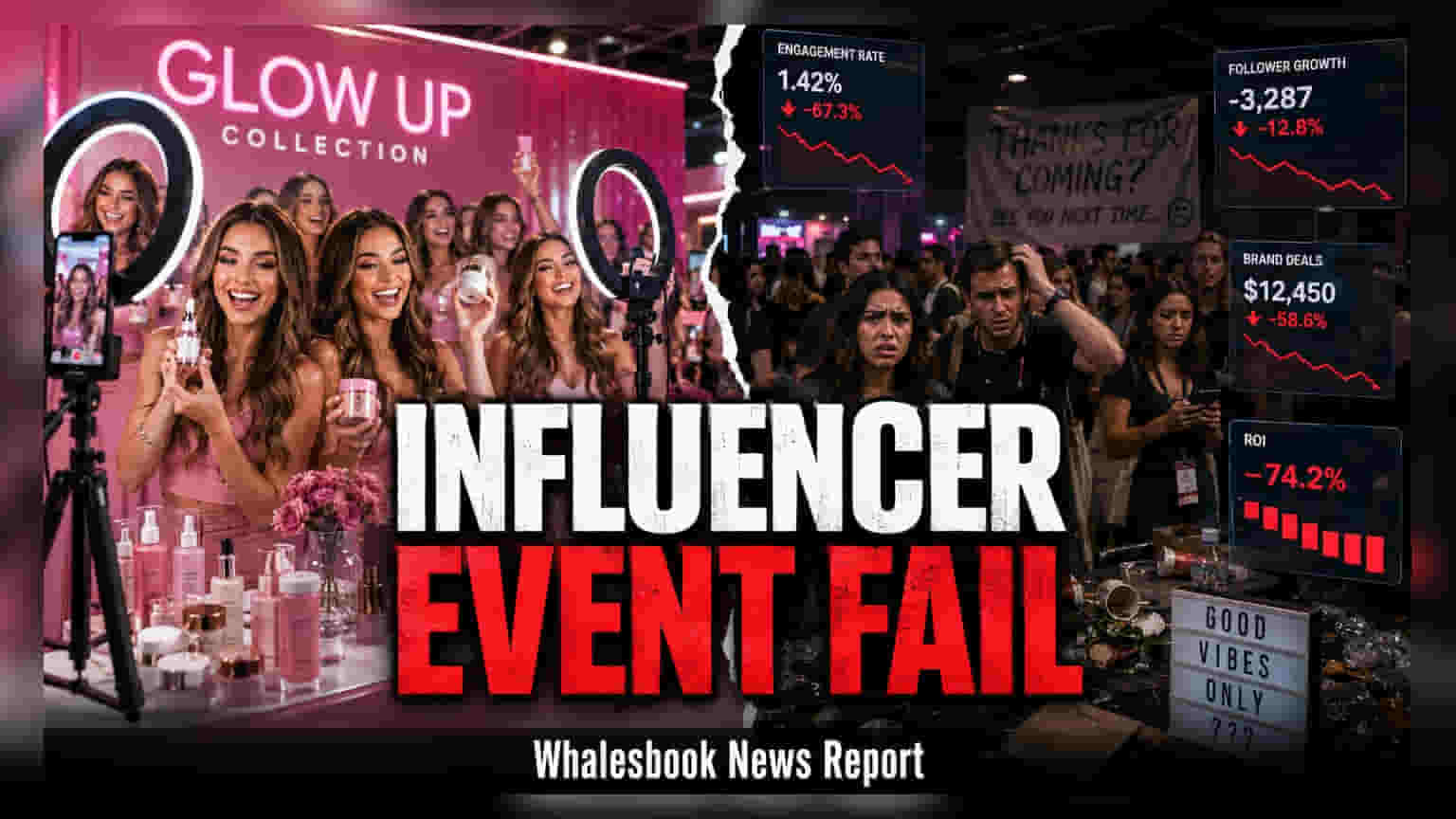
Brands are increasingly hosting influencer-led events to capture Gen Z interest, but logistical failures and repetitive content are raising concerns. Critics warn that prioritizing vanity metrics over genuine engagement could lead to brand damage rather than marketing success.
Quick-commerce and e-commerce platforms are betting heavily on creator-led experiential marketing to deepen their connection with Gen Z consumers. These firms frequently organize elaborate, themed activation events—ranging from mock weddings to nostalgic retreats—where social media influencers are invited to create promotional content and engage with the brand's offerings in an immersive setting.
The Shift Toward Experiential Marketing
Companies such as Zepto have actively utilized this strategy. According to the company, the objective behind initiatives like the 'Nani Ka Ghar' (Grandmother's House) and wedding-themed activations is to drive genuine participation and foster user-generated content. For these platforms, the goal is to shift the measurement of success away from traditional vanity metrics, such as simple reach or impressions, toward more sustained audience engagement and organic content creation.
Risks of Content Saturation and Execution
Despite the strategic intent, the execution of these large-scale events has faced increasing public scrutiny. A common issue is the saturation of near-identical content across social media platforms. When dozens of influencers attend the same event, the resulting output often lacks the perceived authenticity and spontaneity that Gen Z audiences value. This repetitiveness can reduce the effectiveness of the campaigns, as users may begin to tune out the standardized promotional material.
Operational Challenges and Brand Reputation
Beyond content quality, logistical failures are creating tangible risks for host brands. Reports from recent industry activations, such as the Flipkart 'Glam Fest' in Delhi, have highlighted operational struggles. Influencer feedback pointed to issues like overcrowding, as organizers invited more creators than the venue could effectively manage. Furthermore, instances involving the distribution of expired products have surfaced, leading to significant negative sentiment among participants.
Marketing experts note that relying on barter-based activations—where creators exchange content for freebies—often leads to poor outcomes. When brands prioritize the total number of creators activated to demonstrate performance to leadership, they may neglect the quality of the influencer-brand relationship. If participants do not have a genuine connection to the brand, the resulting content often feels forced, and in cases of logistical mismanagement, the negative publicity from influencers can outweigh any potential marketing gains. For investors, the primary monitorable is how these companies balance marketing expenses with tangible returns on investment. Future campaigns will be scrutinized for their ability to deliver actual customer conversion and brand loyalty rather than just temporary social media buzz.