

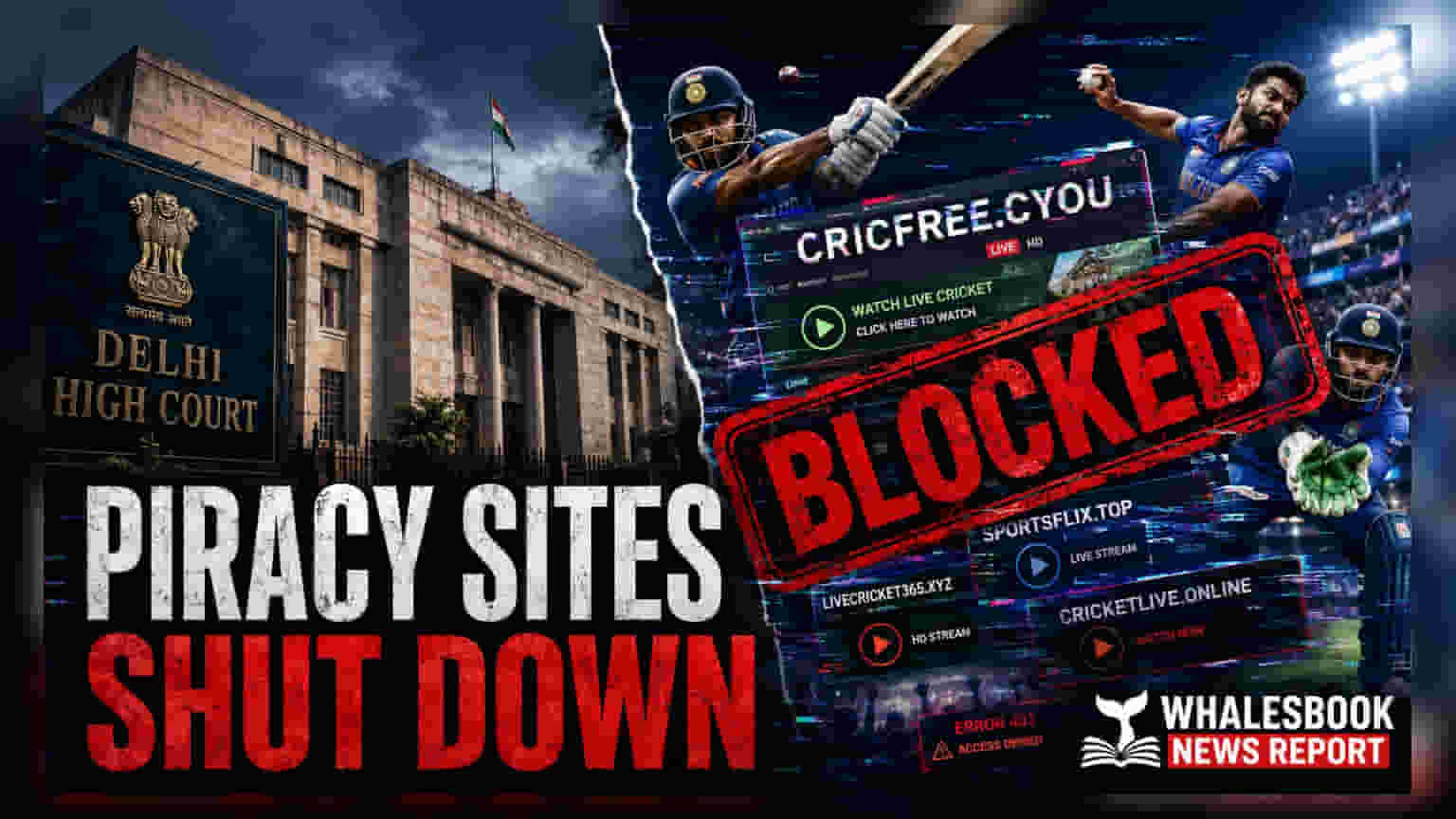
The Delhi High Court has directed internet service providers to block multiple websites illegally streaming cricket matches. This follows a lawsuit by Sony Pictures Networks India to protect its exclusive broadcast rights for events like the India-England series. The court also granted a dynamic injunction, allowing the blocking of new pirate sites that appear during ongoing tournaments.
What Happened
In a move to protect broadcasting rights, the Delhi High Court has ordered the immediate blocking of several websites that were illegally streaming cricket matches. Justice Jyoti Singh issued an ex-parte ad interim injunction against multiple domains including cricfree.cyou, thegamesurf.com, and topstream.pro. The order stems from a legal suit filed by Sony Pictures Networks India, which holds the exclusive media and broadcast rights for several major international cricket series. The court noted that piracy must be addressed strictly to protect the integrity of official sports broadcasting.
Protecting Broadcast Investments
Sony Pictures Networks India argued that these rogue entities were causing significant financial harm by broadcasting content without authorization. The company invests substantial amounts to secure exclusive rights for events such as the 2026 India Tour of England (Men's and Women's), The Hundred, and the Asia Cup. By preventing unauthorized access, the network aims to maintain the value of its broadcast portfolio, which spans 29 channels across various genres. The legal team emphasized that these sites often use domain privacy services to hide the identities of their operators, making them difficult to track without court-ordered intervention.
Implementation Through Dynamic Injunction
The court's decision includes a dynamic injunction, a key tool in modern digital litigation. This allows Sony Pictures to request the blocking of additional infringing websites that may surface while sporting events are still in progress, without needing to file a fresh lawsuit for every new domain. The Department of Telecommunications and the Ministry of Electronics and Information Technology have been directed to ensure that internet service providers comply with the blocking orders. Additionally, domain name registrars have been instructed to disclose any available information regarding the operators of the identified rogue websites.
Business Reality and Investor Context
For investors in the media and entertainment sector, the protection of intellectual property and exclusive content rights is a primary business driver. Media companies face recurring pressure from digital piracy, which can impact subscription numbers, advertising revenue, and the return on investment for high-cost sports broadcast rights. While this court order is a standard regulatory step to safeguard assets, the effectiveness of such measures depends on the speed of implementation by internet service providers and the ability of authorities to curb new pirate sites as they appear. Investors often monitor these legal developments as indicators of how well a company can protect its market position and content exclusivity in a digital-first landscape.
What Investors Should Track
The key monitorables for this situation include the effectiveness of the blocking measures, the emergence of new mirror sites, and any further filings by the network to extend these protections to future sporting properties. Investors may also look for management commentary in future earnings calls regarding the impact of digital piracy on overall viewership and revenue realization for premium sports content.