

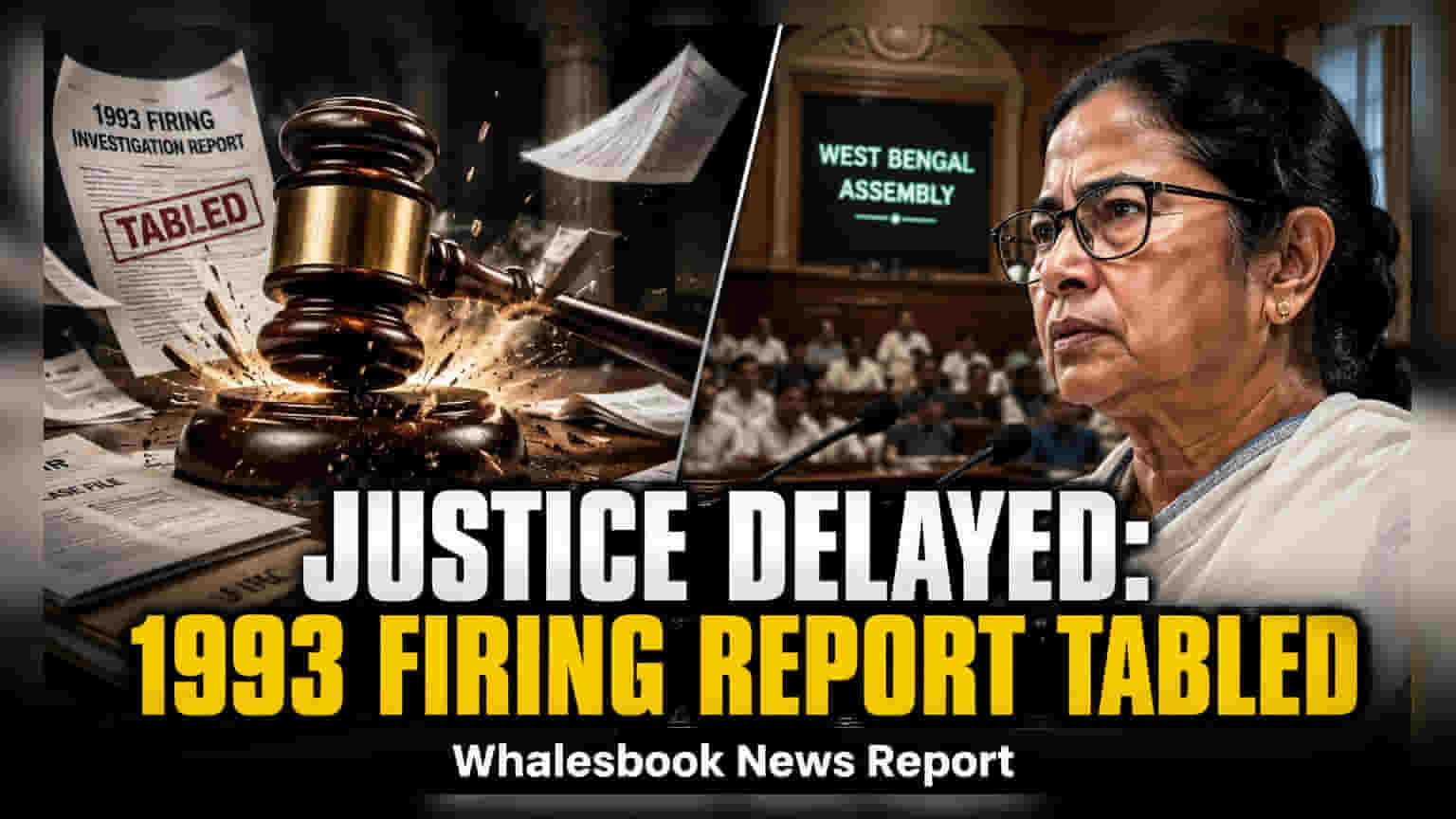
The West Bengal Assembly has officially tabled the Justice Sushant Banerjee Commission report regarding the 1993 police firing incident. The report, which was submitted in 2014, describes the police action as unnecessary and unprovoked. This development brings renewed focus to long-standing questions about governance and accountability regarding the handling of sensitive state records.
Detailed Coverage
The West Bengal Legislative Assembly officially tabled the findings of the Justice Sushant Banerjee Commission on Monday. The commission was formed in November 2011 to investigate the police firing that took place on July 21, 1993, in Kolkata, which resulted in the deaths of 13 people. While the report was submitted to the government in December 2014, it remained unpublished for over a decade, a delay that has now become a central point of legislative debate.
Findings of the Justice Sushant Banerjee Commission
The report provides a detailed examination of the events that occurred at Mayo Road and Esplanade Row, where police opened fire on Youth Congress protesters. According to the findings, the commission concluded that the firing was both unnecessary and unprovoked. The commission explicitly stated that the perceived threat of protesters storming the Writers' Building was unfounded and did not justify the use of lethal force against the marchers.
Furthermore, the report raised concerns regarding the administration of records. The commission identified the non-production and disappearance of vital documents related to the incident, recommending a thorough inquiry into why these materials were not preserved properly. The report also proposed that families of the deceased receive Rs 25 lakh in compensation, while the injured should be entitled to Rs 5 lakh, noting that previous disbursements were insufficient.
Political and Administrative Context
Leader of the Opposition Suvendu Adhikari presented these findings in the Assembly, accusing the current state administration of using the 1993 incident for political advantage while keeping the commission’s conclusions away from public scrutiny. The timing of the tabling—coinciding with the period leading up to the TMC's annual Martyrs' Day rally—added to the political intensity of the session.
For investors and observers of state governance, the tabling of this report is significant as it highlights issues related to administrative transparency and the long-term impact of pending inquiry findings on public trust. The government has indicated that it may evaluate the commission’s recommendations regarding compensation. The state legislature is expected to face further scrutiny regarding other administrative reports, including those related to past relief efforts and procurement, which are reportedly scheduled for future disclosure. Stakeholders will be monitoring whether these disclosures lead to formal policy changes or legal actions regarding the missing documents and compensation payouts.