

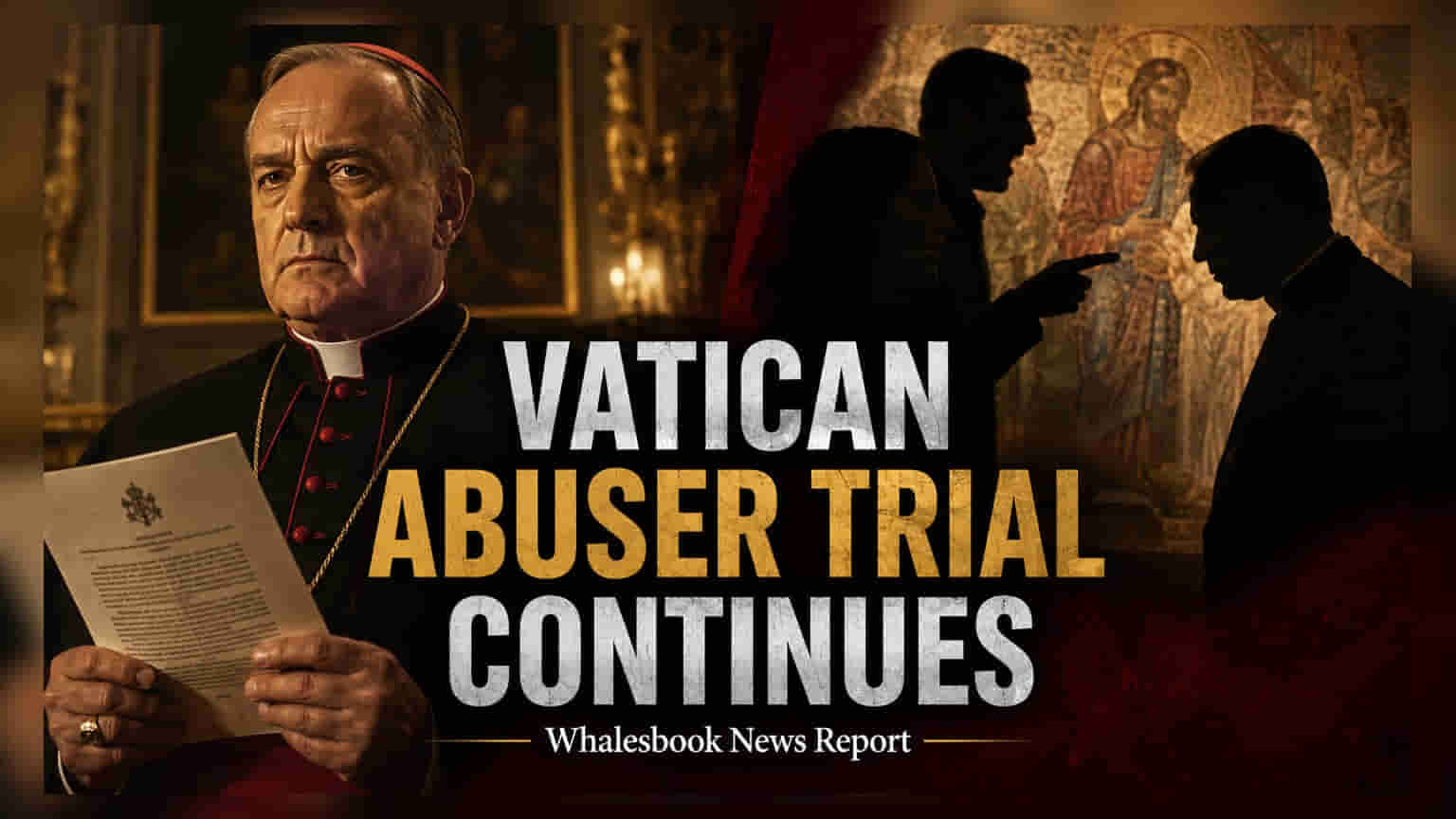
The Vatican has officially confirmed that the canonical trial of former Jesuit priest Marko Ivan Rupnik for alleged abuse remains active. This statement corrects inaccurate media reports claiming an acquittal. For followers of this case, the legal process continues under church law, with the Holy See emphasizing that no verdict has been reached regarding the allegations.
Detailed Coverage
The Holy See issued a formal clarification on Wednesday, confirming that the canonical trial of former Jesuit priest Marko Ivan Rupnik is ongoing. The statement addresses and rejects recent reports from an Italian blog that suggested the priest had been acquitted of the serious allegations leveled against him. The Vatican press office labeled these claims of an acquittal as totally unfounded, asserting that the judicial process remains active.
The case involves accusations of sexual, spiritual, and psychological abuse reported by several women and nuns. These allegations, some of which date back to the 1990s, gained significant international attention in late 2022. The complexity of the proceedings arises from the historical handling of these claims and the specific nature of church canon law, which governs internal judicial processes differently than civil or criminal court systems.
Legal Process and Historical Context
Marko Rupnik was previously a member of the Jesuit order and is a well-known artist whose mosaic work appears in churches worldwide. In 2020, the Jesuit order briefly excommunicated Rupnik after finding that he had used the confessional to grant absolution to a woman with whom he had engaged in sexual activity. While the Vatican initially declined to pursue older complaints due to their age, the situation evolved significantly following his expulsion from the Jesuit order in 2023.
Pope Francis later intervened by lifting the statute of limitations on these older claims, a decision that enabled the current formal canonical trial to proceed. Judges are currently in the process of examining evidence, which includes documentation gathered from various dioceses, the Jesuit order, and other relevant parties. The Vatican maintains that strict confidentiality is required to protect the integrity of the judicial process and the privacy of those involved.
Limitations Within Canonical Proceedings
Legal representatives for the accusers have highlighted concerns regarding the transparency of the current system. Laura Sgro, who represents five of the women, noted that her clients have not been interviewed by the tribunal and expressed frustration over the lack of access to information for victims. Under the church’s existing canonical system, victims are generally classified as third-party witnesses rather than primary participants, which limits their access to case details until a final outcome is reached.
Despite the ongoing trial, Rupnik continues to maintain his status as a priest. Supporters, including those associated with the Aletti Center, have consistently denied the allegations, characterizing them as unproven. The Vatican has reiterated that its internal trials function under canon law and are distinct from civil or criminal justice systems. The primary monitorable for this case remains further updates from the tribunal, which retains the authority to seek additional evidence independently and potentially call witnesses as the investigation proceeds.