 Whalesbook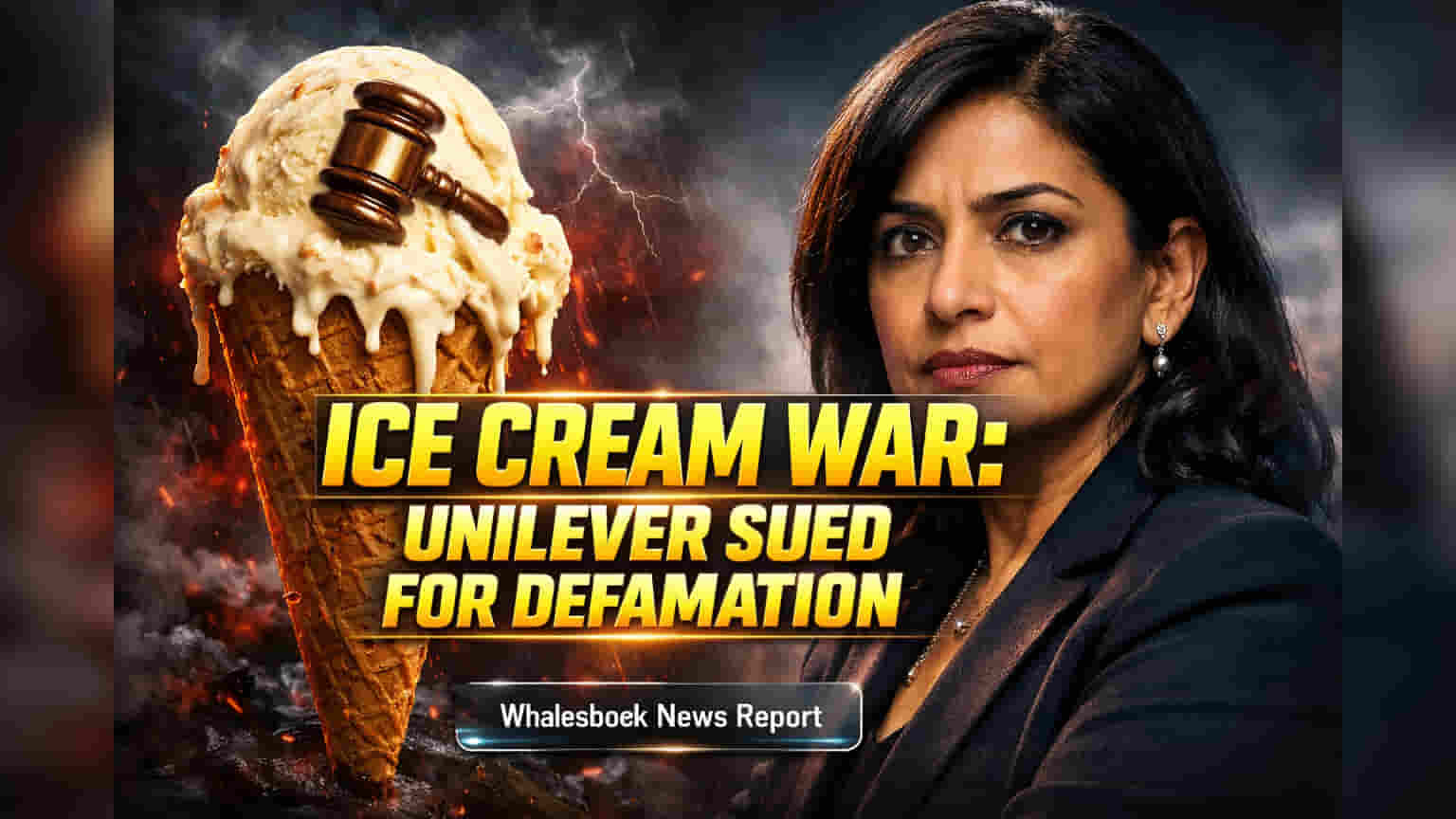
The Defamation Lawsuit
This defamation suit highlights ongoing governance clashes between consumer goods giant Unilever and its socially-focused subsidiary, Ben & Jerry's. The legal battle reveals the tension between a parent company's commercial goals and a subsidiary's distinct, activist brand identity, a conflict amplified by recent corporate changes.
Governance Stalemate Continues
Mittal alleges Unilever and Magnum deliberately tried to "vilify, denigrate and intimidate" her. She claims they fabricated accusations of self-dealing and a toxic environment after her December dismissal as board chair to discredit her stance on Palestinian rights and a Gaza ceasefire. This legal action significantly raises the stakes in the dispute over Unilever's alleged attempts to weaken Ben & Jerry's independent board and its core social mission. The spin-off of the ice cream business into The Magnum Ice Cream Company (TMICC) in late 2025, intended to streamline Unilever's portfolio, has not resolved these fundamental governance issues. Unilever still holds a minority stake in TMICC, suggesting ongoing operational and strategic ties.
Strategic Conflicts and Market View
The Unilever-Ben & Jerry's conflict reflects a broader trend where consumer desire for purpose-driven brands often clashes with the profit motives of large parent companies. Ben & Jerry's has a history of using its independent board for social and political advocacy. This led to past clashes, including its decision to stop sales in the West Bank, which resulted in investor reactions and a lawsuit against Unilever in November 2024. The departure of Ben & Jerry's former CEO, Dave Stever, in March 2025, reportedly tied to his activism, further illustrates this divide. Managing such strong brand activism poses significant reputational and strategic risks for Unilever. While the company states its commitment to social responsibility, its alleged actions suggest a preference for commercial stability over subsidiary-led political statements. Analysts generally rate Unilever stock as 'Hold' or 'Buy,' supporting its transformation and portfolio streamlining post-ice cream spin-off. However, the ongoing lawsuits and governance disputes add uncertainty, potentially affecting investor confidence and brand valuations. Unilever's P/E ratio, around 12-19x, might not fully account for these brand-related risks, although some analysts see it as undervalued.
Brand Autonomy vs. Corporate Control
The core risk stems from the fundamental clash between Unilever's corporate interests and Ben & Jerry's strong social mission. The lawsuits, including Mittal's defamation claim and Ben & Jerry's earlier legal action, create ongoing operational and reputational challenges. Anuradha Mittal, founder of the Oakland Institute, has a notable history of advocacy on human rights and the Israeli-Palestinian conflict, which has previously drawn accusations of antisemitism from groups like Stop Antisemitism. While her current suit is for defamation, her background adds controversy to the narrative. The alleged defamatory claims against Mittal, such as self-dealing and misusing Ben & Jerry's Foundation funds, could significantly damage reputations if proven or widely used. Unlike competitors who may favor brand neutrality, Ben & Jerry's activism naturally attracts controversy. The ice cream business, now TMICC, faces higher costs and market volatility, making its brands' financial performance critical. These legal entanglements and reputational issues could hinder TMICC's growth, potentially leading Unilever to reassess its stake or the division's future direction.
Outlook: Navigating Legal and Brand Issues
Unilever's strategic shift, including the ice cream spin-off and acquisitions in growth areas, aims to simplify its structure and boost profits. Analysts largely support this strategy, many reiterating 'Buy' ratings and expressing optimism for future volume and margin growth. However, the current defamation lawsuit and existing disputes between Ben & Jerry's and its parent introduce significant uncertainty. How Unilever resolves these legal battles and balances brand autonomy with corporate control will be key to its long-term value and market standing. Investors will watch closely as Unilever navigates these complex governance and brand integrity challenges while pursuing its strategic goals.