

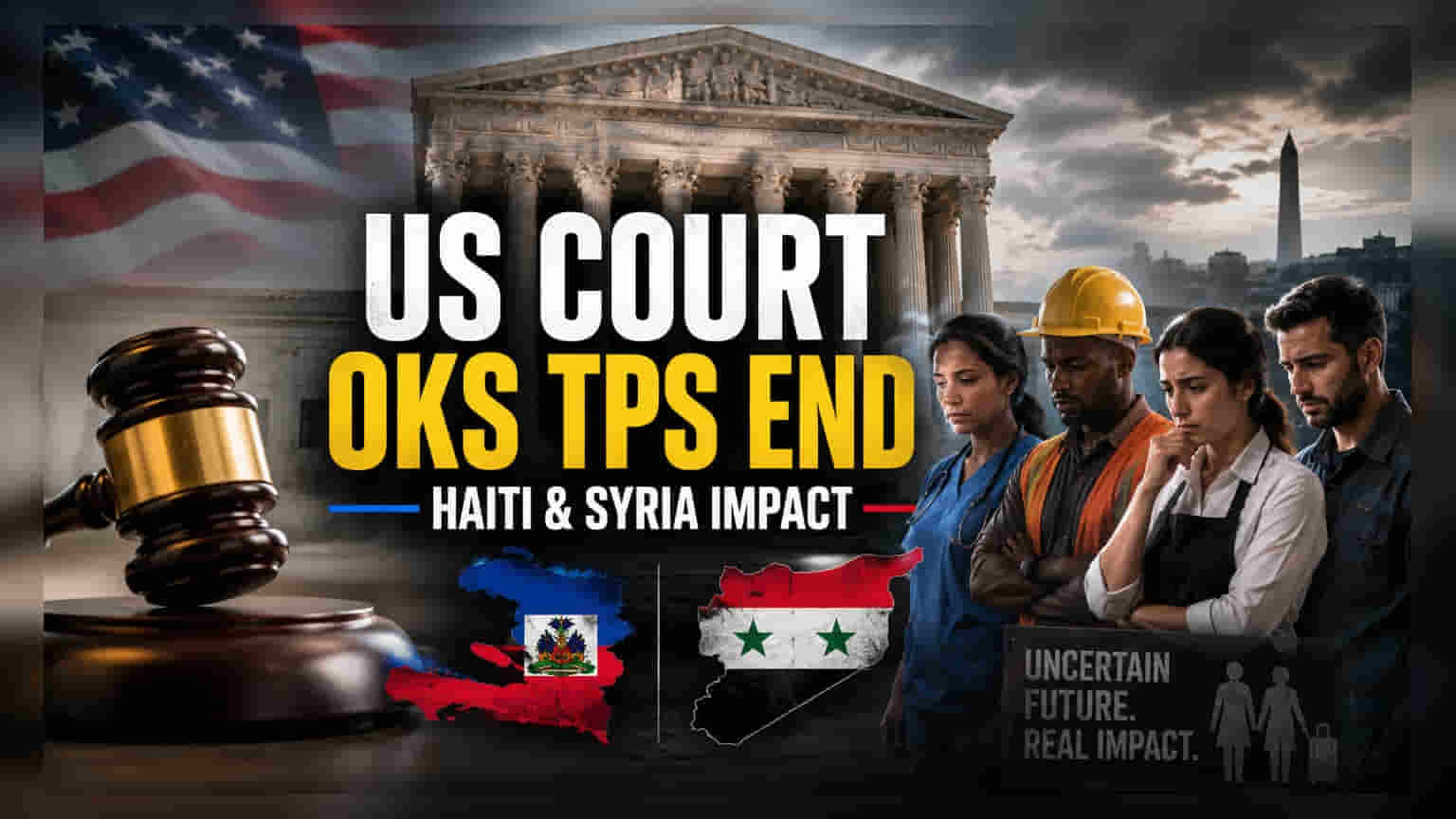
The US Supreme Court has ruled that the administration can end Temporary Protected Status (TPS) for Haitian and Syrian nationals. This decision may disrupt labor supply in key US sectors, particularly healthcare and construction, which could impact operational costs for businesses relying on these workforces.
What Happened
The US Supreme Court has issued a 6-3 ruling that permits the administration to revoke Temporary Protected Status (TPS) for nationals of Haiti and Syria. TPS is a program that grants legal residency and work permits to individuals from countries facing extreme conditions such as natural disasters or civil war. By allowing the termination of this status for approximately 350,000 Haitians and 6,000 Syrians, the ruling removes the legal protections that have allowed these individuals to live and work in the US for years.
Impact on the US Labor Market
For investors and businesses operating in the US, the primary concern is the potential for labor market disruption. TPS holders are significant contributors to essential sectors, including healthcare, construction, hospitality, and food service. The healthcare sector, which has faced persistent staffing shortages in the US, may be particularly affected. According to data from the Migration Policy Institute, over 100,000 Haitian immigrants were employed in healthcare roles as of 2021. The reduction of this workforce could put pressure on staffing availability and wages in US-based healthcare and support service companies.
Legal and Operational Risks
The court's decision also limits the power of lower courts to review the procedures used by the Department of Homeland Security to terminate TPS. This creates a regulatory precedent where government decisions regarding work authorization programs may face fewer legal challenges. For multinational companies, this underscores the volatility of US immigration policies, which can shift operational costs and labor availability abruptly. Businesses with significant reliance on temporary work visas or protective status programs may need to reassess their workforce planning and contingency strategies.
What Investors Should Track
Investors with an interest in US markets or sectors with high exposure to US labor costs should watch several factors in the coming months. First, monitor official updates from the Department of Homeland Security regarding the specific timeline for the termination of these status protections. Second, observe wage trends in the US healthcare and construction sectors, as a shrinking labor pool often leads to higher operational expenses. Finally, track whether this ruling sets a pattern for similar policy shifts affecting other nationalities under TPS, as consistent changes could lead to broader uncertainty regarding the stability of the foreign workforce in the United States.