

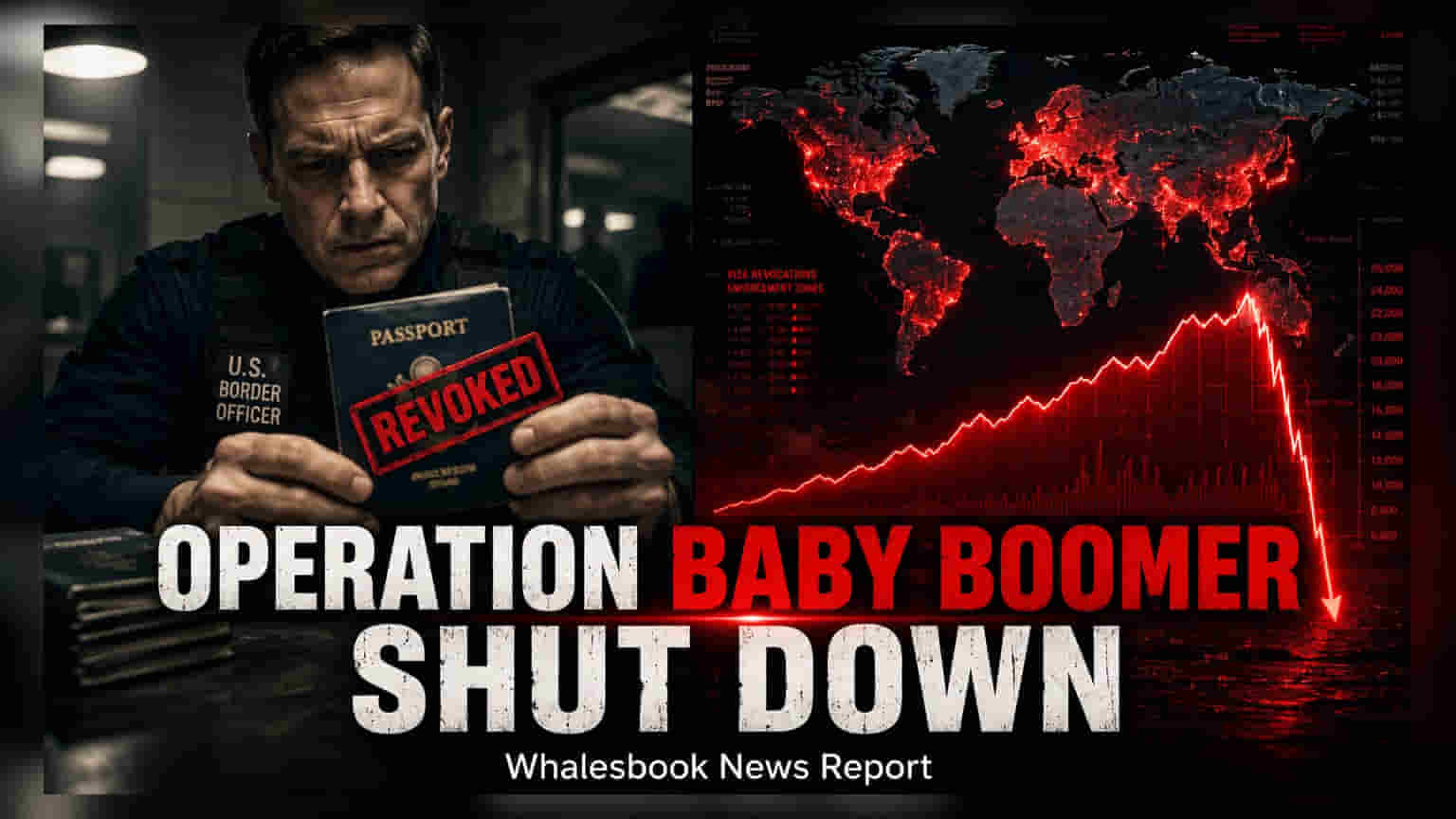
The U.S. State Department has revoked over 600 visas in the past month as part of a new crackdown on birth tourism. Triggered by an executive order signed on August 6, 2026, the policy aims to dismantle networks that exploit U.S. visa laws. The move signals stricter scrutiny for international travelers, which may lead to longer visa processing times and more rigorous documentation checks.
The United States government has intensified its stance on immigration enforcement, revoking more than 600 visas in the past month as part of a targeted campaign against 'birth tourism.' Secretary of State Marco Rubio confirmed the figures on August 12, 2026, attributing the actions to the newly formed Birth Tourism Prevention Task Force. This effort represents a significant shift in the administration's approach to managing visitor visa compliance.
The crackdown follows an executive order signed by President Donald Trump on August 6, 2026, which categorized the practice of traveling to the U.S. primarily to give birth to secure citizenship as a deliberate exploitation of American immigration laws. The newly established task force is coordinating across federal agencies, including the Department of Homeland Security, to dismantle organized networks that assist foreign nationals with travel arrangements, housing, and the preparation of documents for such purposes.
For the travel and immigration sectors, this development suggests a period of heightened administrative scrutiny for visa applicants globally. Travelers, including those applying for B-1/B-2 visitor visas that are common for business, medical, and tourism purposes, may face more rigorous verification of their stated intent and documentation during the application process. While the policy specifically targets fraud rings and those misusing visa classifications, the operational impact could extend to broader administrative friction, including longer processing times or more detailed inquiries at U.S. consulates.
For businesses involved in travel, hospitality, and immigration consulting, this environment means that compliance and documentation accuracy have become even more critical. Increased scrutiny often leads to higher rejection rates for incomplete or vague applications. If the task force expands its data-sharing and investigation methods, it could create a slower, more deliberate visa approval process for international visitors.
The key monitorable for stakeholders over the coming months will be the consistency of visa approval rates and whether these stricter enforcement measures result in significant delays for international business and leisure travel. Investors in the travel and hospitality sectors may track how these policy shifts affect the volume of outbound travel and the speed of visa clearance, as these factors directly influence consumer demand and business mobility.