

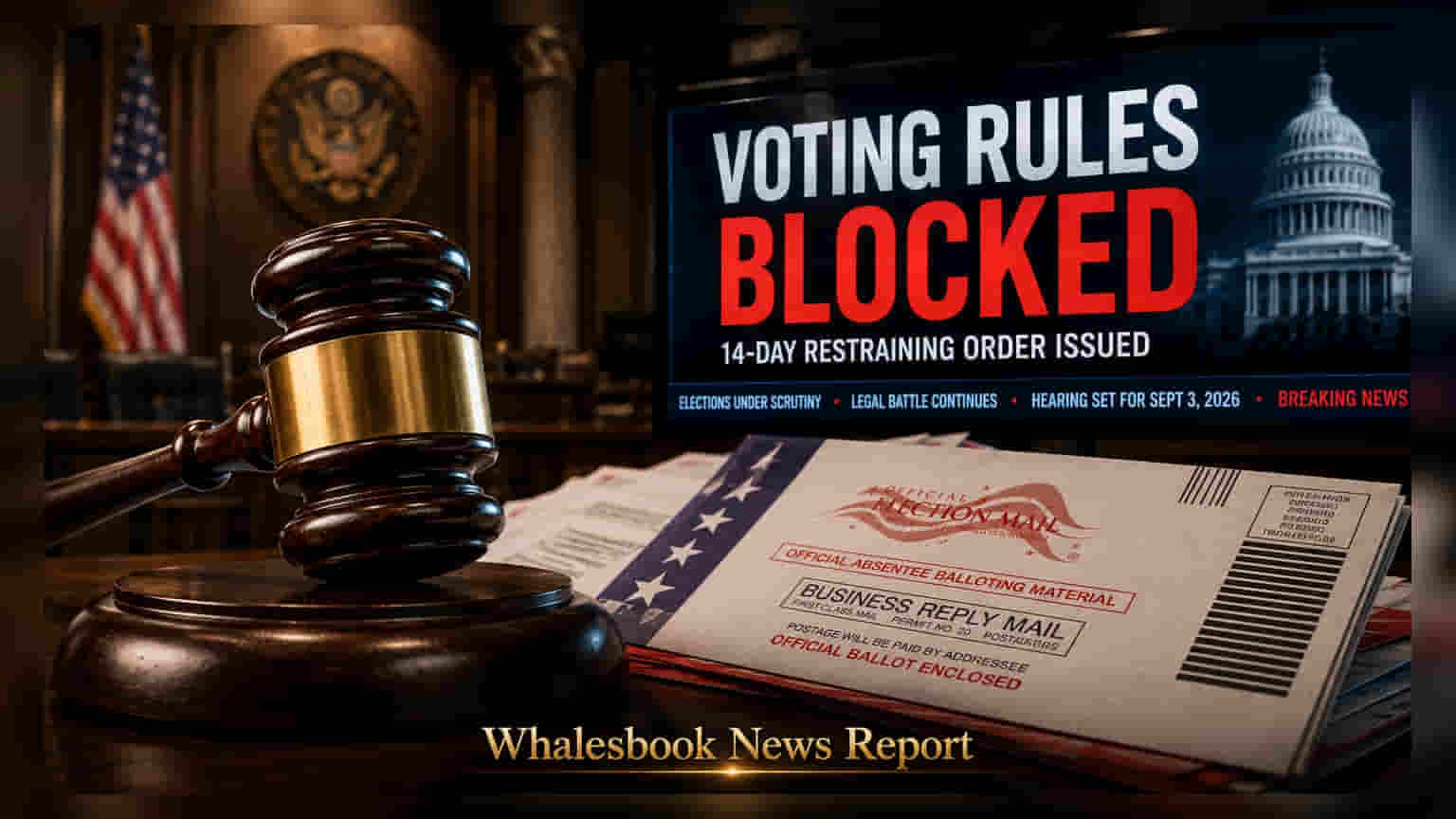
A federal judge has issued a 14-day temporary restraining order blocking new US Postal Service requirements for mail-in ballots. The ruling provides relief to states that argued they could not meet the new deadlines before the midterm elections, while setting the stage for a critical legal hearing on September 3.
US District Court Judge Indira Talwani has issued a temporary 14-day restraining order that blocks the US Postal Service (USPS) from enforcing a set of new, strict requirements for mail-in ballots. The ruling comes as states across the country are in the middle of preparing their systems for the upcoming midterm elections. This pause provides a narrow window of relief for local election officials who had argued that implementing the administration's new mandates on ballot design and voter data reporting within the current timeline was operationally impossible.
The core of the dispute involves federal directives that require states to adopt specific envelope formatting and provide voter lists to the postal service before ballots are dispatched. Local election boards and voting rights groups challenged these rules, claiming that the short notice left them unable to overhaul their printing and reporting infrastructure without causing significant delays or voter disenfranchisement. The judge's decision recognizes this practical hurdle, ensuring that states can continue with their existing preparations while the legal battle proceeds.
This legal conflict follows earlier procedural developments at the Supreme Court, which had allowed the administration to move forward with certain aspects of the executive order after dismissing previous challenges as premature. Because the USPS rules were not fully finalized at that time, those prior legal attempts were blocked on procedural grounds. The current injunction forces a pause, with a formal hearing scheduled for September 3, 2026. Legal experts expect this case to eventually return to the Supreme Court for a final decision.
For investors and the broader business community, this legal uncertainty surrounding the election process creates a period of instability. While the ruling addresses immediate logistical concerns for election management, the ongoing litigation adds to a climate of political and regulatory flux. Investors often monitor these developments because the stability of the electoral process can influence global market sentiment, US fiscal policy direction, and broader economic confidence. Until a definitive judicial conclusion is reached, the rules governing how ballots are processed and reported will remain a key area of volatility to track.