

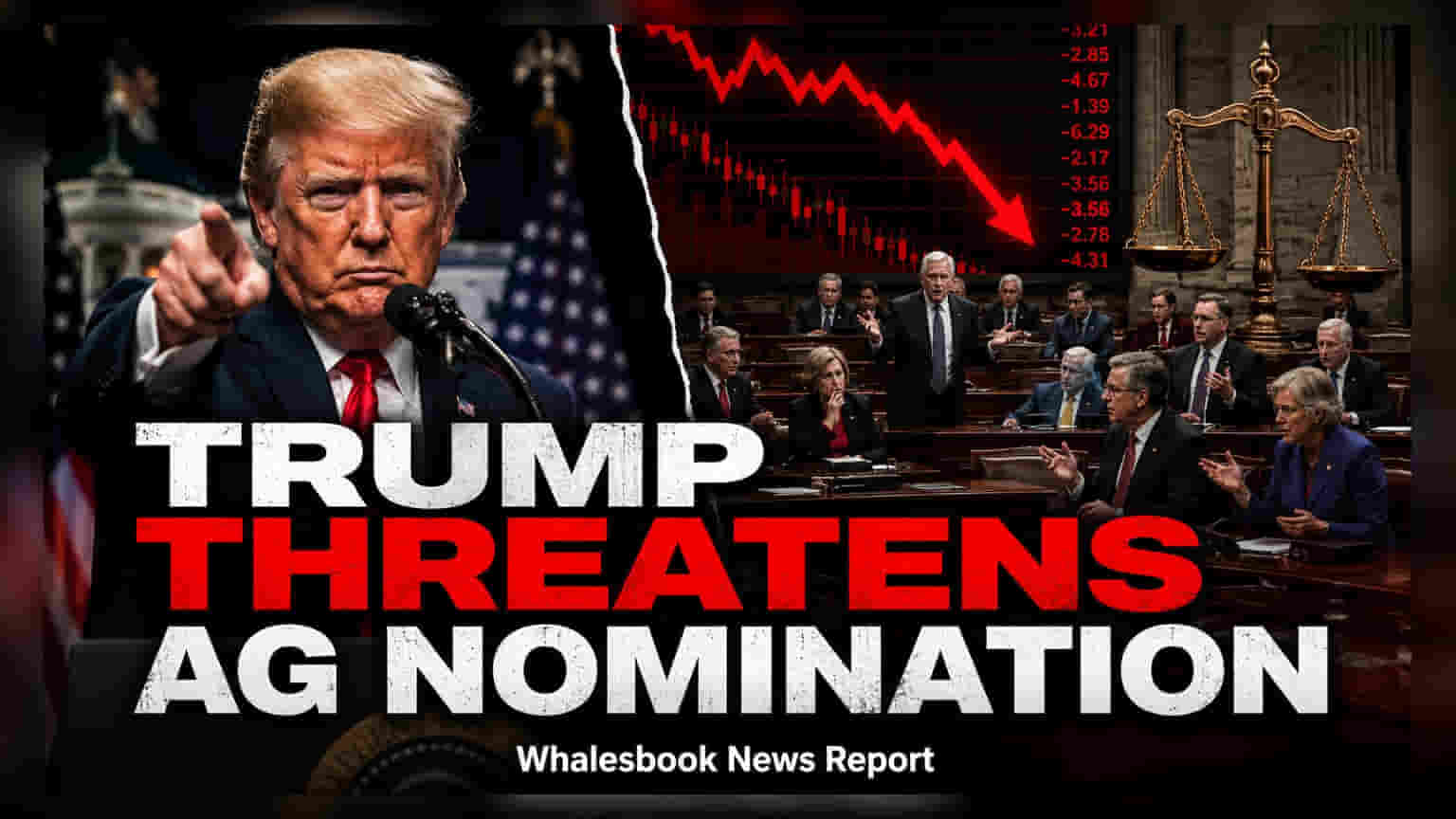
President Donald Trump faces a standoff with Senate Republicans over the nomination of Todd Blanche for Attorney General. Senators are demanding written clarity on tax audit immunity clauses linked to a recent settlement. The conflict has stalled the Judiciary Committee's confirmation process, highlighting concerns over executive authority and future government oversight.
President Donald Trump has suggested he may withdraw the nomination of Todd Blanche for Attorney General following a stalemate with Senate Republicans. The conflict centers on specific terms within a tax settlement agreement that involve the Trump family and the Trump Organization. Because the Senate Judiciary Committee is currently split, the refusal of key Republican senators to proceed has effectively paused the confirmation process.
Senate Demands Written Clarification
Senators John Cornyn and Thom Tillis have spearheaded the opposition, arguing that the terms of the settlement regarding tax audit immunity remain unclear. While a proposed $1.8 billion 'Anti-Weaponization Fund'—which intended to support allies claiming mistreatment by the Justice Department—was abandoned following widespread backlash, other provisions persist. The senators are seeking formal, written assurances that immunity from tax audits is strictly limited to existing examinations and does not create a permanent barrier against future government scrutiny of the President, his family members, or the Trump Organization.
Impact on Legislative Process
Todd Blanche, currently serving as the acting Attorney General, requires confirmation to move into the role permanently. With all Democratic members of the committee expected to vote against him, he relies on full Republican support to advance. President Trump has stated he is prepared to maintain Blanche in an acting capacity if the committee fails to approve his permanent appointment. However, Senator Cornyn has publicly rejected the idea that concerns regarding these settlement provisions are limited to only a few members, suggesting a broader unease within the Senate regarding the legal implications of the agreement.
Regulatory and Oversight Implications
For investors and market participants, the significance of this event lies in the ongoing friction between the executive branch and legislative oversight mechanisms. The debate over tax audit immunity and the potential for establishing legal precedents that limit government oversight of private entities connected to the executive branch remains a key area of focus. The next critical stage for this nomination will be whether the administration provides the requested written clarifications to the Senate Judiciary Committee, which would be necessary to break the current deadlock and allow the confirmation vote to proceed.