 Whalesbook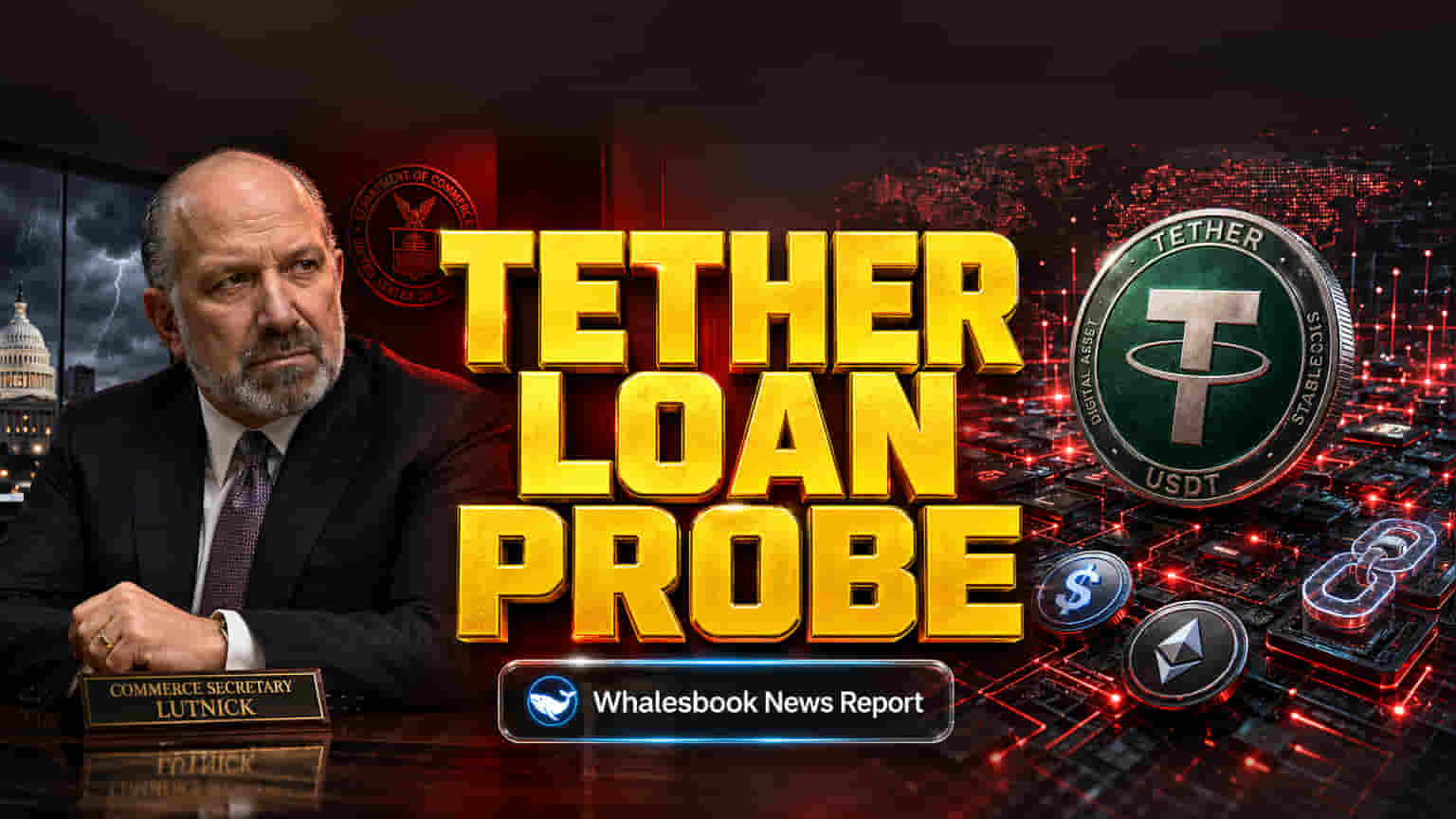


Probe into Secretary Lutnick's Finances and Tether
The inquiry into Secretary Lutnick's finances and Tether's alleged involvement highlights the complex ties between traditional finance, digital assets, and U.S. regulation. Senators Warren and Wyden are questioning if policy decisions affecting the multi-billion dollar stablecoin market, where Tether is a major player, could be improperly influenced.
Regulatory Scrutiny on Stablecoins
The investigation stems from reports that Tether lent money to a trust connected to Secretary Lutnick's family. This shines a light on U.S. efforts to regulate stablecoin issuers like Tether, which has a market cap often over $100 billion. The loan allegations, even if amounts are unconfirmed, prompt concerns about potential conflicts of interest. This scrutiny could affect confidence in stablecoin stability, though Tether's USDT has historically stayed close to its dollar peg. The situation also adds uncertainty for digital asset companies like Bullish (BLSH), owner of CoinDesk.
Tether's U.S. Ambitions and Political Links
Tether is also seeking closer ties in the U.S., making its market dominance and regulatory status crucial. Rivals like Circle's USDC (valued around $20-30 billion) often point to their reserves, backed by U.S. Treasuries, contrasting with Tether's past reserve reporting concerns. Tether insists its assets are fully backed. Adding complexity, Howard Lutnick's former firm Cantor Fitzgerald, now run by his sons, has been involved in significant political donations via the Fellowship PAC, reportedly linked to a Tether U.S. executive. This overlap of finances, politics, and public office draws attention to how stablecoin legislation, such as the GENIUS Act, is developed.
Potential Risks for Tether
Key risks for Tether include the lack of transparency around its reserves, a long-standing issue that led to past settlements with New York regulators. If the loan to Lutnick's family trust is confirmed, it could be seen as an ethical lapse, potentially compromising public service for private gain and raising questions about Tether's sway over policy. Unlike decentralized stablecoins like DAI, Tether's centralized structure makes it more vulnerable to regulatory pressure. Cantor Fitzgerald's financial setup also carries potential systemic risks, especially given its complex dealings. The evolving U.S. regulatory scene is challenging for issuers with complex ties to public officials.
Future Regulatory Landscape
The senators' findings could influence Tether's U.S. strategy and future regulatory actions. Experts are looking for more transparency from Tether and clearer direction from lawmakers. While legislation aims to set stablecoin rules, events like this expose challenges in maintaining fair governance and avoiding conflicts of interest. The digital asset industry hopes for clearer regulations, but such probes might result in stricter rules that could affect innovation and market access.