 Whalesbook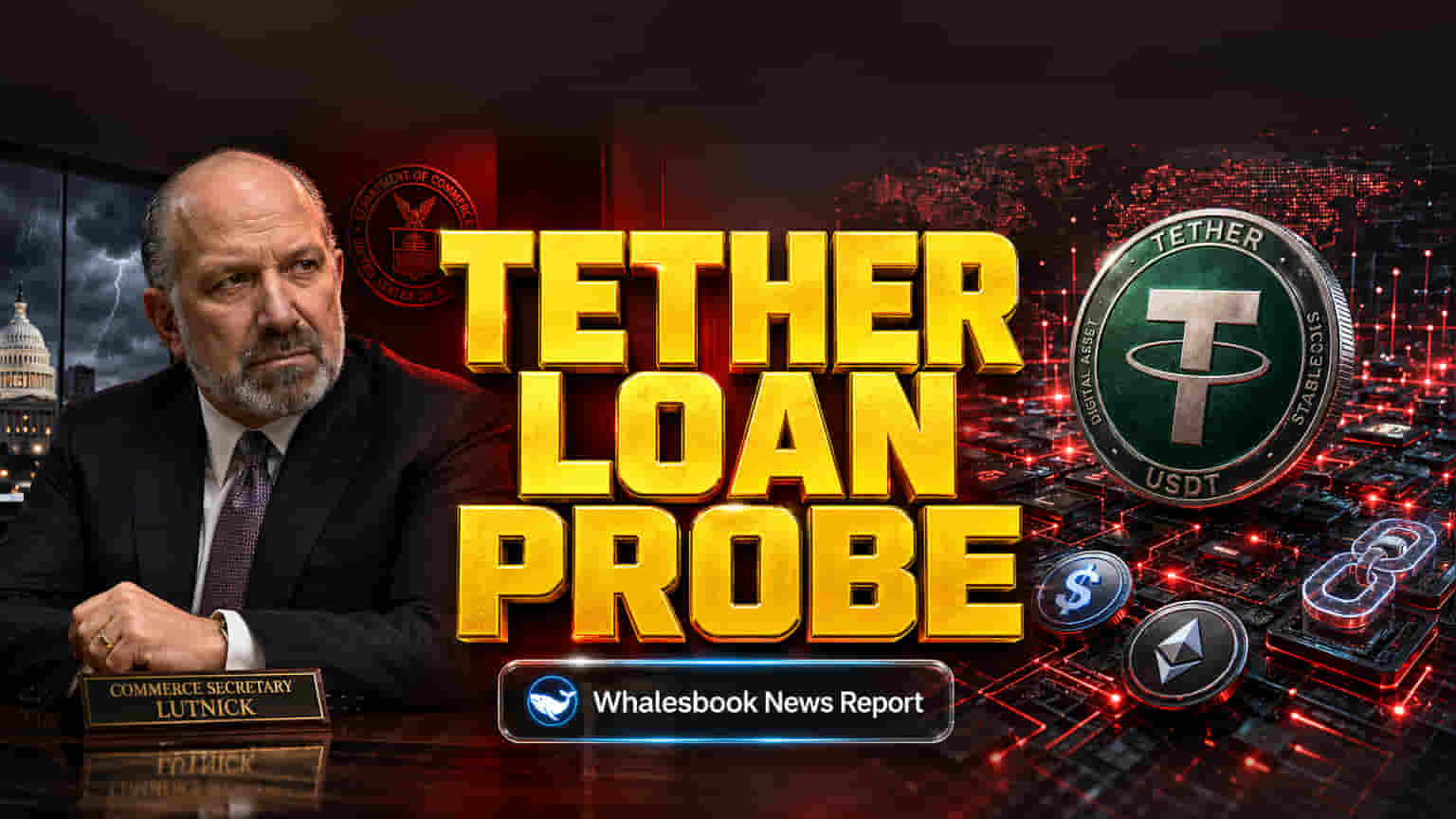


1. THE SEAMLESS LINK (Flow Rule)
This inquiry into Secretary Lutnick's financial dealings and Tether's alleged involvement underscores the intricate dance between established financial powerhouses, burgeoning digital asset entities, and the evolving U.S. regulatory framework. The senators' probe moves beyond mere procedural ethics checks, directly questioning the potential for undue influence on policy decisions impacting the multi-billion-dollar stablecoin market, a sector Tether significantly dominates.
### The Regulatory Gauntlet
The core catalyst for market attention is the formal inquiry initiated by Senators Warren and Wyden regarding a reported loan from Tether to a trust linked to Commerce Secretary Howard Lutnick's children. This development casts a spotlight on the U.S. government's ongoing efforts to regulate stablecoin issuers. Tether, with a market capitalization often exceeding $100 billion, is a primary focus of these regulatory discussions [cite: SIMULATED_SEARCH_1]. While the specific loan amounts remain undisclosed, the allegations alone raise alarms about potential conflicts of interest. Such scrutiny can impact investor confidence in stablecoin stability, though USDT has historically maintained its peg to the U.S. dollar [cite: SIMULATED_SEARCH_1]. The situation also creates a complex environment for publicly traded digital asset infrastructure companies like Bullish (BLSH), which owns CoinDesk, as it reflects broader uncertainty in the digital asset ecosystem.
### The Valuation and Influence Play
This situation unfolds as Tether actively pursues a more integrated U.S. presence. The company's market dominance, with its substantial market cap, positions it as a key player whose U.S. operations and regulatory standing are critical. Competitors like Circle's USDC, with a market capitalization in the $20-30 billion range, often highlight more transparent reserve structures, frequently backed by U.S. Treasuries [cite: SIMULATED_SEARCH_5]. Tether's own reserve reporting has faced historical scrutiny, though the company maintains its assets are fully backed [cite: SIMULATED_SEARCH_1, SIMULATED_SEARCH_7]. Furthermore, Howard Lutnick's former firm, Cantor Fitzgerald, now managed by his sons, has demonstrated significant political engagement through entities like the Fellowship PAC, reportedly led by a Tether U.S. executive, which has channeled substantial donations to Republican campaigns [cite: SIMULATED_SEARCH_4, SIMULATED_SEARCH_6]. This intersection of financial interests, political contributions, and public office intensifies the focus on how legislation like the GENIUS Act, designed to govern stablecoin issuers, is shaped and implemented [cite: SIMULATED_SEARCH_3, SIMULATED_SEARCH_5].
### The Forensic Bear Case
The narrative presents several risk factors for Tether and its associated entities. A primary concern is the opacity surrounding Tether's reserves, which has been a persistent point of contention and subject to past regulatory action, including settlements with the New York Attorney General's office [cite: SIMULATED_SEARCH_7]. The alleged loan to Lutnick's family trust, if proven, could represent a significant ethical breach, suggesting a potential compromise of public service for private financial gain and raising questions about Tether's influence over critical policy decisions affecting the entire stablecoin sector. Unlike decentralized stablecoins like DAI, Tether's centralized nature makes it more susceptible to direct regulatory pressure and allegations of undue influence. Moreover, Cantor Fitzgerald's financial structure and leverage, while not publicly detailed in the same manner as a listed company, could present systemic risks if the firm were to face distress, a scenario complicated by its extensive financial dealings [cite: SIMULATED_SEARCH_2]. The U.S. regulatory environment, while evolving, remains a minefield for issuers with complex ownership structures or ties to public officials.
### Future Outlook
The outcome of the senators' inquiry will likely dictate the immediate future of Tether's U.S. strategy and potentially shape forthcoming regulatory enforcement. Analysts closely watch for increased transparency from Tether and clear guidelines from U.S. lawmakers. The ongoing legislative efforts aim to solidify a framework for stablecoin issuers, but incidents like these highlight the challenges of ensuring impartial governance and preventing conflicts of interest. The broader digital asset industry anticipates clearer rules, but such investigations can lead to more restrictive measures, impacting innovation and market access.