

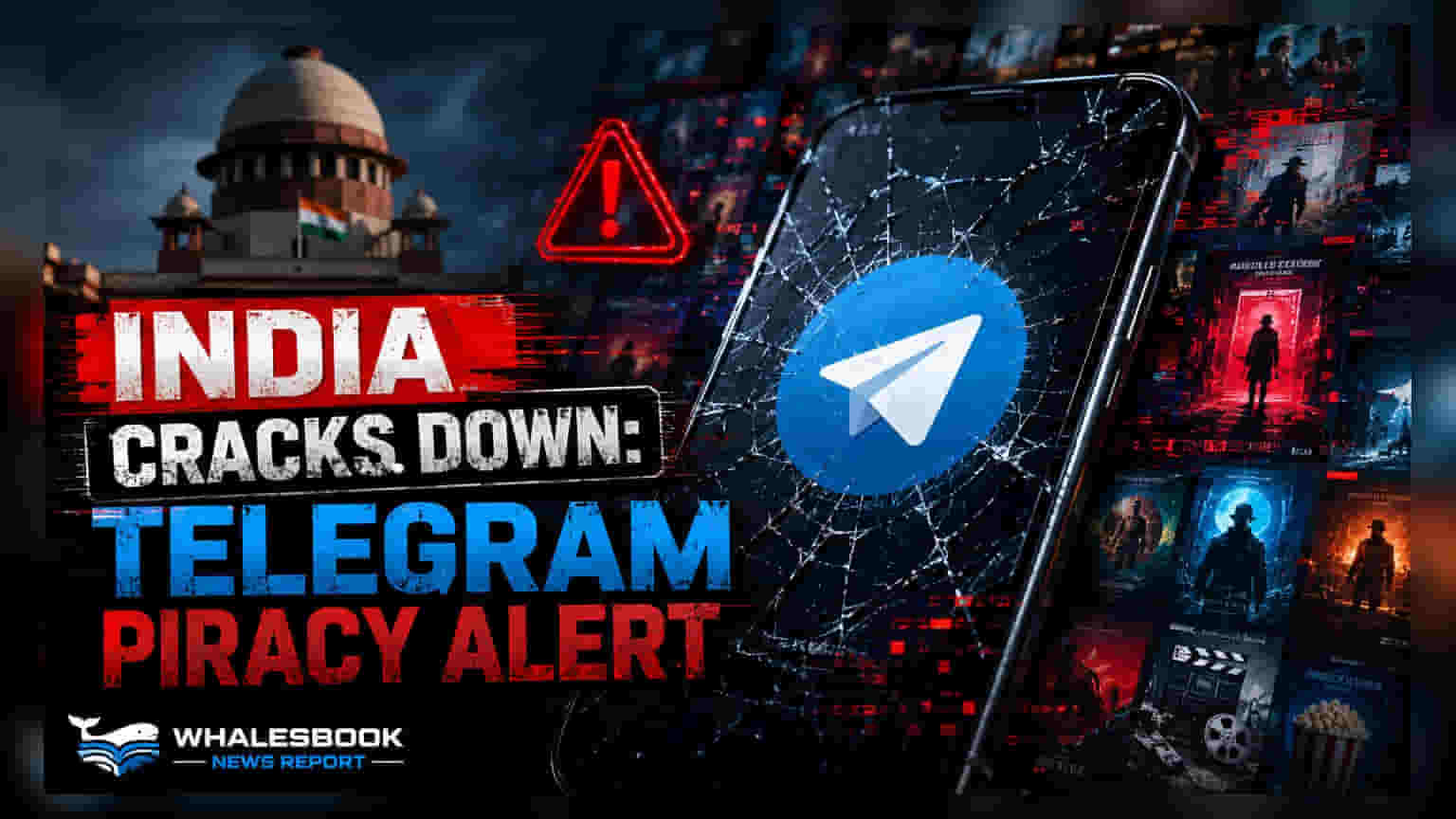
The Indian Ministry of Information and Broadcasting has demanded an action plan from Telegram to stop the distribution of pirated copyrighted content. The government is holding digital intermediaries accountable for enforcing copyright laws, with potential legal risks for platforms failing to ensure due diligence.
What Happened
The Indian Ministry of Information and Broadcasting has issued a formal notice to the messaging platform Telegram, requiring it to present a concrete plan to stop the circulation of pirated films and copyrighted material. The government has provided a 15-day window for the company to submit an Action Taken Report. This directive follows concerns regarding the widespread availability of unauthorized content on the platform, which the government suggests violates existing copyright and information technology laws.
Why This Matters For Digital Intermediaries
This development marks a shift in how the government approaches digital piracy. Instead of only targeting individual channels or users, regulators are now pushing for platforms to take proactive responsibility for the content they host. Under the Information Technology (Intermediary Guidelines and Digital Media Ethics Code) Rules, 2021, platforms are legally required to perform due diligence. The government is signaling that a passive, reactive approach—where a platform waits for individual complaints before removing content—may no longer be considered sufficient to meet these legal obligations.
Grievance Redressal And Compliance
Beyond the piracy issue, the government is seeking details on how Telegram handles complaints from content creators, OTT platforms, and law enforcement. A core part of the IT Rules is the requirement for effective grievance redressal mechanisms. If the ministry finds that these systems are inadequate, it could lead to further scrutiny or formal legal action against the platform under the Information Technology Act, 2000, and related copyright statutes.
The Broader Regulatory Context
This action is part of a wider trend of increased government oversight over major digital platforms operating in India. The Ministry of Electronics and Information Technology has recently engaged with other global tech firms, including Meta, over concerns ranging from privacy and feature updates to the prevention of harmful content on platforms like Instagram and WhatsApp. For the digital media and entertainment sectors, this reflects a sustained effort by the government to protect the economic interests of creators, film studios, and streaming services by tightening compliance standards for intermediaries.
What Investors And Stakeholders Should Track
The most important monitorable for this situation is the outcome of the 15-day deadline. If Telegram provides a plan that the ministry deems acceptable, it may resolve the immediate regulatory pressure. However, if the response is viewed as incomplete or if piracy persists, the risk of formal legal proceedings or more restrictive measures increases. Stakeholders in the Indian media and creator economy will be watching to see if this enforcement leads to a tangible reduction in digital piracy, which could potentially support the revenue models of licensed content producers.