 Whalesbook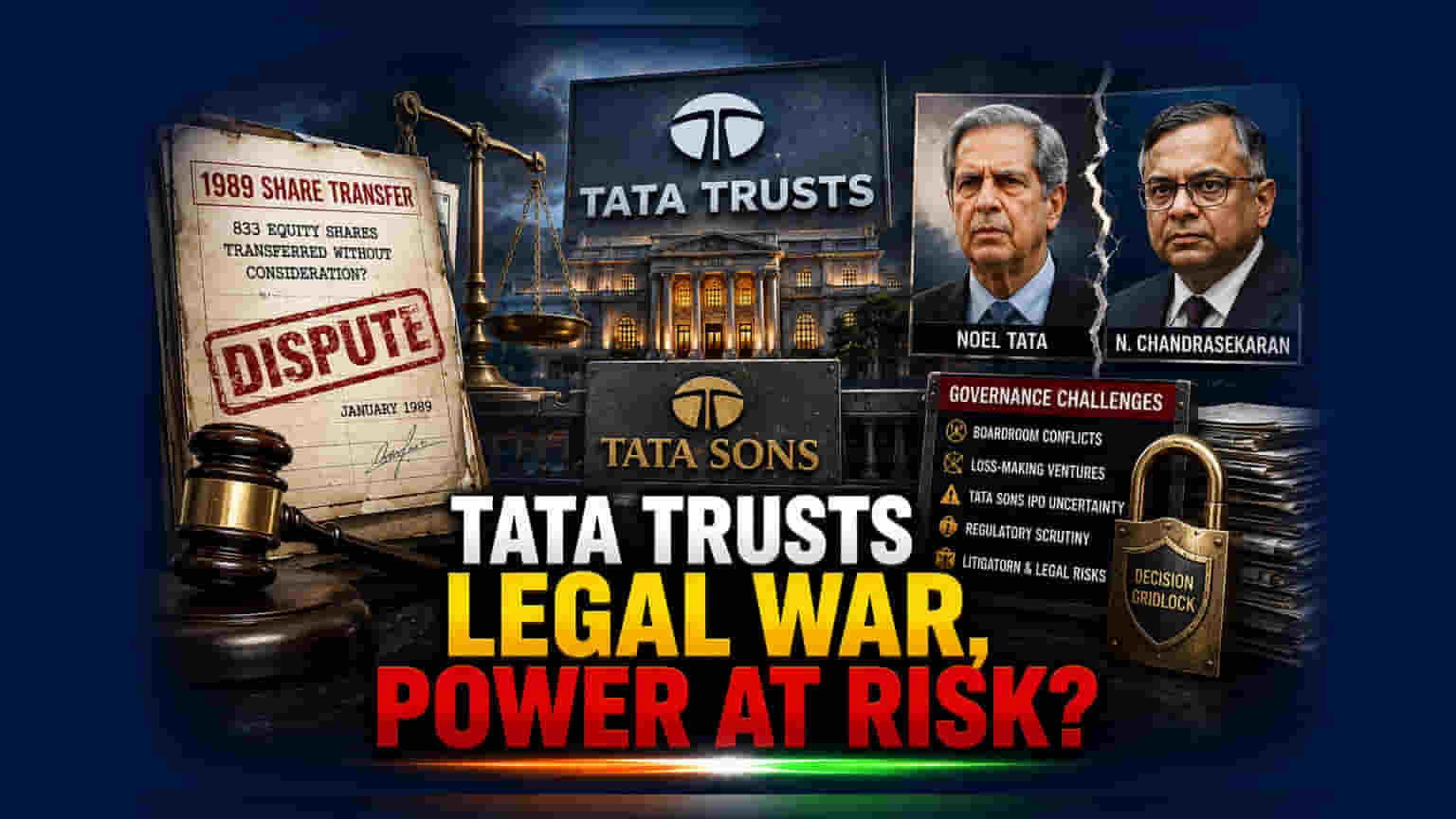


The 1989 Share Transfer Dispute
Recent legal filings have injected renewed volatility into the governance of Tata Trusts, just as the institution prepares for a critical board meeting scheduled for June 8. A complaint lodged with the Maharashtra Charity Commissioner mandates an investigation into the transfer of 833 equity shares of Tata Sons from the Navajbai Ratan Tata Trust (NRTT). The petitioner, Suresh Tulsiram Patilkhede, contends that this transaction occurred in January 1989—a timeframe that allegedly coincided with the departure of Naval H. Tata from his trusteeship. The core of the accusation centers on the lack of monetary consideration for the transfer, a point that legal representatives for the complainant suggest constitutes a breach of fiduciary duty and the statutory mandate governing public charitable entities.
Governance Friction and Strategic Gridlock
The dispute occurs against a backdrop of wider institutional instability. Tata Trusts, which maintains a 66% controlling stake in the $180 billion Tata Group through Tata Sons, is currently navigating a series of high-stakes governance challenges. Internal friction between Trusts Chairman Noel Tata and Tata Sons Chairman N. Chandrasekaran has become increasingly visible, particularly regarding the group's strategic roadmap, the handling of loss-making ventures like Air India and Tata Digital, and the long-debated potential for a public listing of the holding company. Recent reports suggest that Noel Tata has sought greater transparency regarding these growth plans, while the board remains pressured by the Reserve Bank of India’s 'upper layer' NBFC listing requirements. The legal challenges, including debates over the validity of 'life trustee' appointments and compliance with recent amendments to the Maharashtra Public Trusts Act, have arguably paralyzed decision-making processes, as seen by the recent court-ordered deferral of board meetings.
The Forensic Bear Case: Risks to Stability
From a risk-averse perspective, the ongoing litigation exposes deep-seated structural vulnerabilities. The persistence of 'serial litigators' and the repeated intervention of the Charity Commissioner point to a lack of regulatory buffer that could leave the trusts open to further disruption. Furthermore, the complaint introduces a potential conflict of interest regarding Noel Tata, who is identified among the successors-in-interest to whom the shares in question eventually devolved. Unlike listed peers who operate under the scrutiny of SEBI and clear independent director mandates, the opaque governance structure of these private trusts remains a primary risk factor for the broader Tata ecosystem. Should these disputes lead to a forced restructuring or a change in control, the uncertainty could cast a shadow over the valuation of group entities, particularly if the administrative turmoil delays critical capital allocation decisions or hampers the group's ability to satisfy regulatory obligations regarding the holding company's status.
Future Outlook
Market participants are closely watching the June 8 meeting as a bellwether for the group's internal cohesion. The ability of the board to resolve these legacy legal issues while simultaneously addressing the performance of cash-burning subsidiaries will be a key determinant of future sentiment. With institutional investors seeking clarity on the potential Tata Sons IPO and the eventual exit path for the Shapoorji Pallonji group, the current legal distractions threaten to overshadow the group’s long-term strategic objectives.