

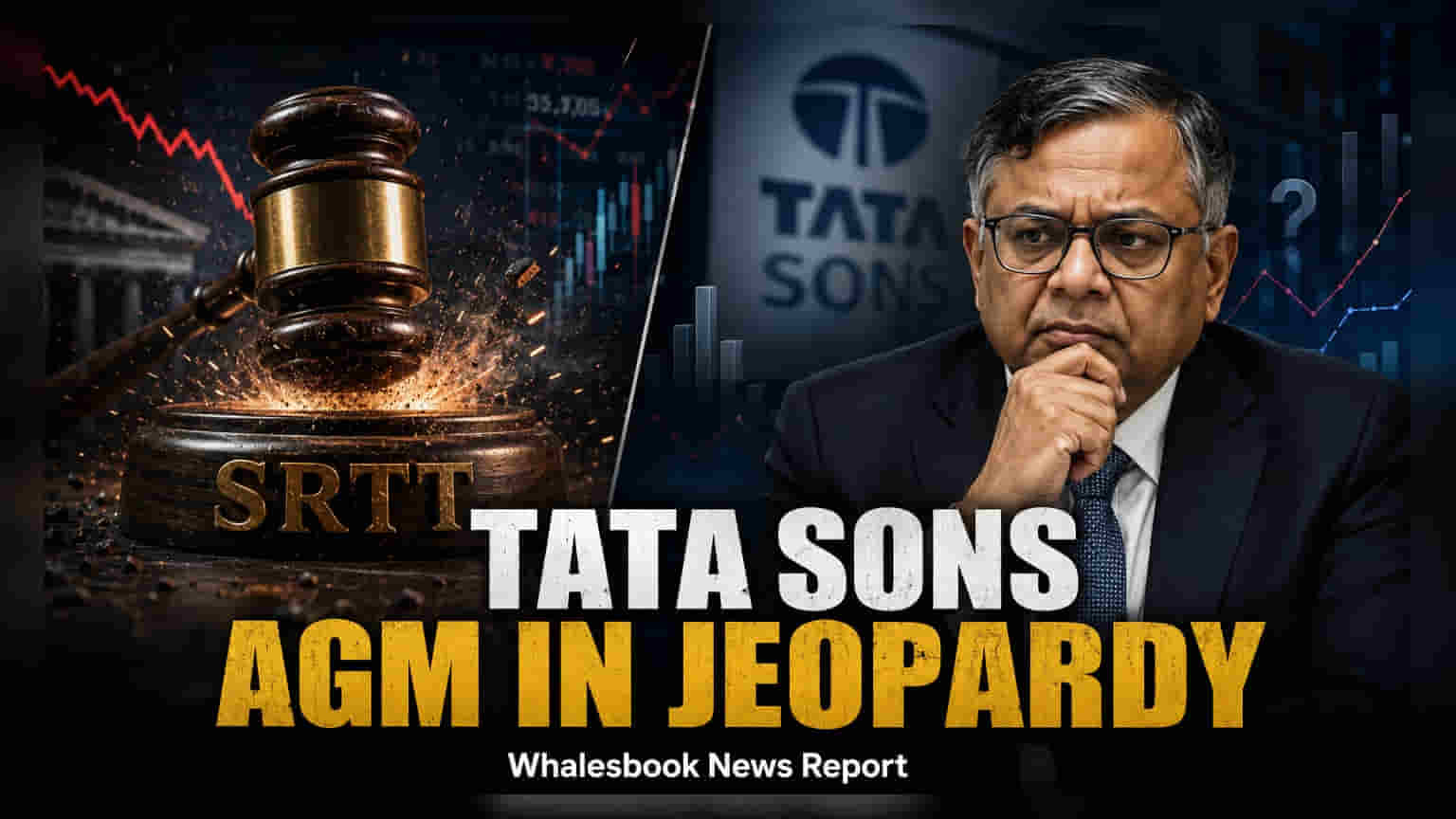
Tata Sons' annual general meeting, scheduled for August 18, is at risk of adjournment because regulatory restrictions on the Sir Ratan Tata Trust prevent it from fulfilling quorum requirements. This governance snag arrives as the group navigates leadership transition planning, with Chairman N Chandrasekaran set to step down in 2027.
Tata Sons, the unlisted holding company of the Tata Group, is set to hold its 108th Annual General Meeting on August 18, 2026. However, the event faces a significant procedural hurdle that could force an adjournment. A regulatory order from the Maharashtra Charity Commissioner has restricted the Sir Ratan Tata Trust from holding board meetings, creating a situation where the trust is currently unable to participate in mandatory AGM formalities.
The Quorum Dilemma
The Articles of Association of Tata Sons require that the quorum for the Annual General Meeting include a representative nominated jointly by the Sir Ratan Tata Trust and the Sir Dorabji Tata Trust. Together, these trusts hold a significant stake in the company. Because the Charity Commissioner has barred the Sir Ratan Tata Trust from conducting its own board meetings pending an inquiry into its internal governance and trustee composition, the trust cannot officially nominate the representative required for the Tata Sons meeting.
Without this joint nomination, the company may fail to meet the legal quorum requirements needed to conduct the meeting, pass accounts, or declare dividends. The legal dispute stems from allegations regarding the number of lifetime trustees at the Sir Ratan Tata Trust, which complainants argue violates the Maharashtra Public Trusts Act. The trust has contested this, stating that the law should apply only to future appointments, not existing ones.
Leadership Succession Context
While Tata Sons is a private holding company and not directly listed on the stock exchanges, the governance issues at the trust level are closely followed by investors. These events occur during a sensitive period for the group’s future leadership. Chairman N Chandrasekaran has already confirmed that he will not seek reappointment when his current term concludes on February 20, 2027.
This leadership transition is a critical point of interest for the broader Tata Group, which includes many publicly listed entities. Uncertainty regarding governance at the holding company level or delays in succession planning can influence market sentiment toward listed group companies.
If the quorum is not met, the meeting will likely need to be adjourned until a resolution is reached or a workaround is identified. Investors tracking the group may monitor for further exchange filings or official company statements regarding the AGM status, as these will provide clarity on when the company intends to complete its annual proceedings and how it plans to manage its leadership transition over the coming months.