 Whalesbook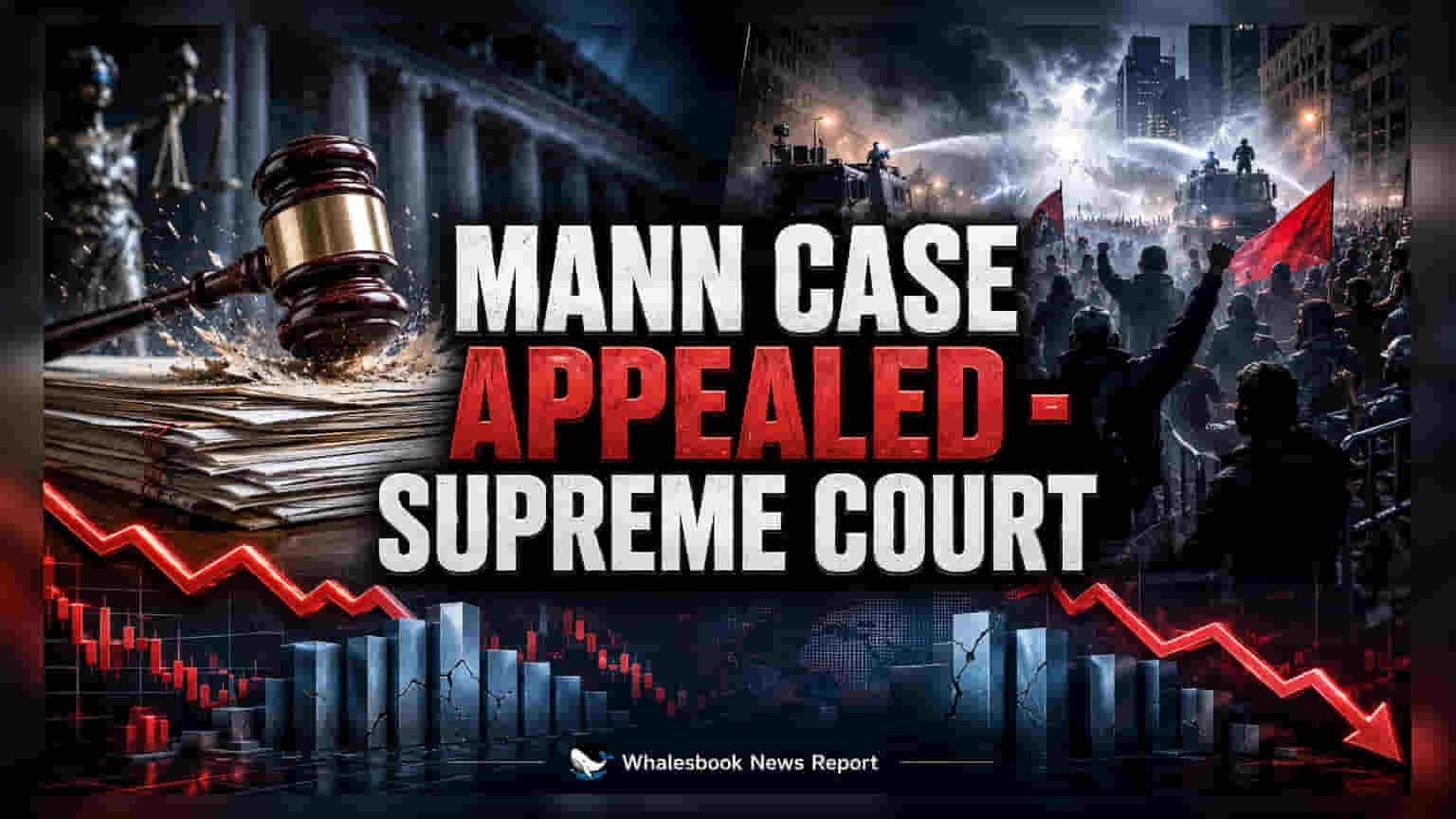


Supreme Court to Review Quashed Rioting Case
The Supreme Court has agreed to hear the Chandigarh Administration's appeal against a Punjab and Haryana High Court order that dismissed a rioting and unlawful assembly case. The case involves Punjab Chief Minister Bhagwant Mann and other Aam Aadmi Party (AAP) leaders, stemming from a 2020 protest against electricity tariff increases.
Administration Challenges High Court Decision
A bench led by the Chief Justice of India will now consider the administration's argument that the High Court erred in quashing the First Information Report (FIR). The Chandigarh Administration, represented by Solicitor General Tushar Mehta, is also seeking to add more respondents to the legal proceedings.
Background of the Protest
The FIR was filed by Chandigarh Police in 2020 after AAP leaders and workers attempted to protest near the Punjab Chief Minister's residence. Authorities reportedly used water cannons to stop the procession, which led to alleged stone-pelting incidents against police personnel.
High Court's Reasoning for Dismissal
In November 2025, the Punjab and Haryana High Court had allowed the quashing of the FIR. Justice Tribhuvan Dahiya stated that the absence of prohibitory orders under Section 144 of the Criminal Procedure Code meant police could not legally obstruct the protesters. The court also noted that no specific individuals were identified for stone-pelting and there was no proof the petitioners incited the violence. Therefore, the High Court found insufficient grounds to link the mob's actions to the petitioners and deemed the charges of rioting and assaulting police officials unproven. Charges of unlawful assembly violence were also invalidated due to the lack of prior prohibitory orders.
Impact on Protest Rights and Public Order
This case highlights the balance between the right to protest and maintaining public order. The Supreme Court's decision could establish a significant precedent for applying rioting and unlawful assembly charges when prohibitory orders are not in place and direct instigation by protest leaders is not clearly demonstrated. The ruling will be closely watched for its potential influence on future political protests and law enforcement's legal options.