 Whalesbook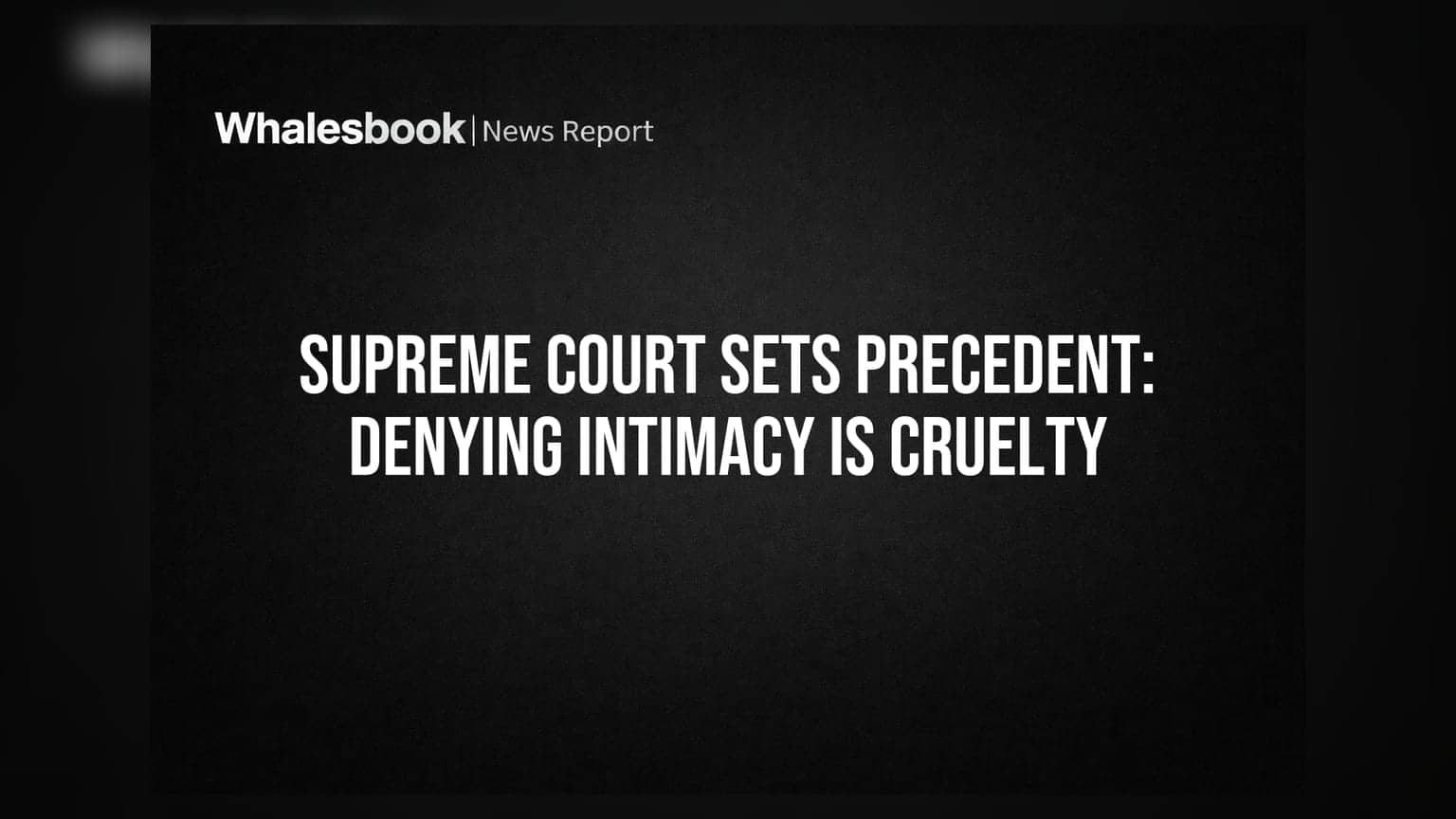


Expanding the Definition of Matrimonial Cruelty
The ruling marks a notable refinement in how Indian courts interpret emotional and physical distance within a marriage. By affirming that the deliberate withholding of sexual intimacy inflicts actionable distress, the bench has moved beyond archaic definitions of physical abuse. This decision mirrors a broader judicial shift toward acknowledging that the bedrock of a marital union relies upon mutual participation, rather than just the absence of external conflict. The court identified the wife’s habitual locking of private quarters as a clear indicator of a collapsed marital covenant, effectively overriding her claims of a desire to continue the relationship.
The Strategic Use of Article 142
Beyond the specific facts of this case, the invocation of Article 142 of the Constitution represents a calculated approach to judicial efficiency. The court determined that forcing two individuals to remain legally tethered after 15 years of separation serves no societal or personal utility. This doctrine of irretrievable breakdown is increasingly utilized by the apex court to cut through protracted litigation that serves only to perpetuate high-conflict, empty unions. By moving to dissolve the bond, the judiciary is signaling a preference for reality-based outcomes over the rigid enforcement of failing contracts.
The Shift in Judicial Sentiment
Historically, Indian family courts often resisted divorce petitions if one party maintained a desire to stay together, leading to decades of stagnant, hostile litigation. This judgment suggests an evolution toward a 'realist' framework where the duration of separation acts as an objective metric for marriage failure. Unlike lower court rulings from 2009 that failed to grasp the depth of the discord, this decision recognizes that once a 15-year separation threshold is crossed, the original intent of the marriage has been abandoned by both parties. This provides a clear roadmap for future cases involving long-term physical and emotional estrangement, potentially shortening the duration of similar high-stakes family disputes moving forward.