 Whalesbook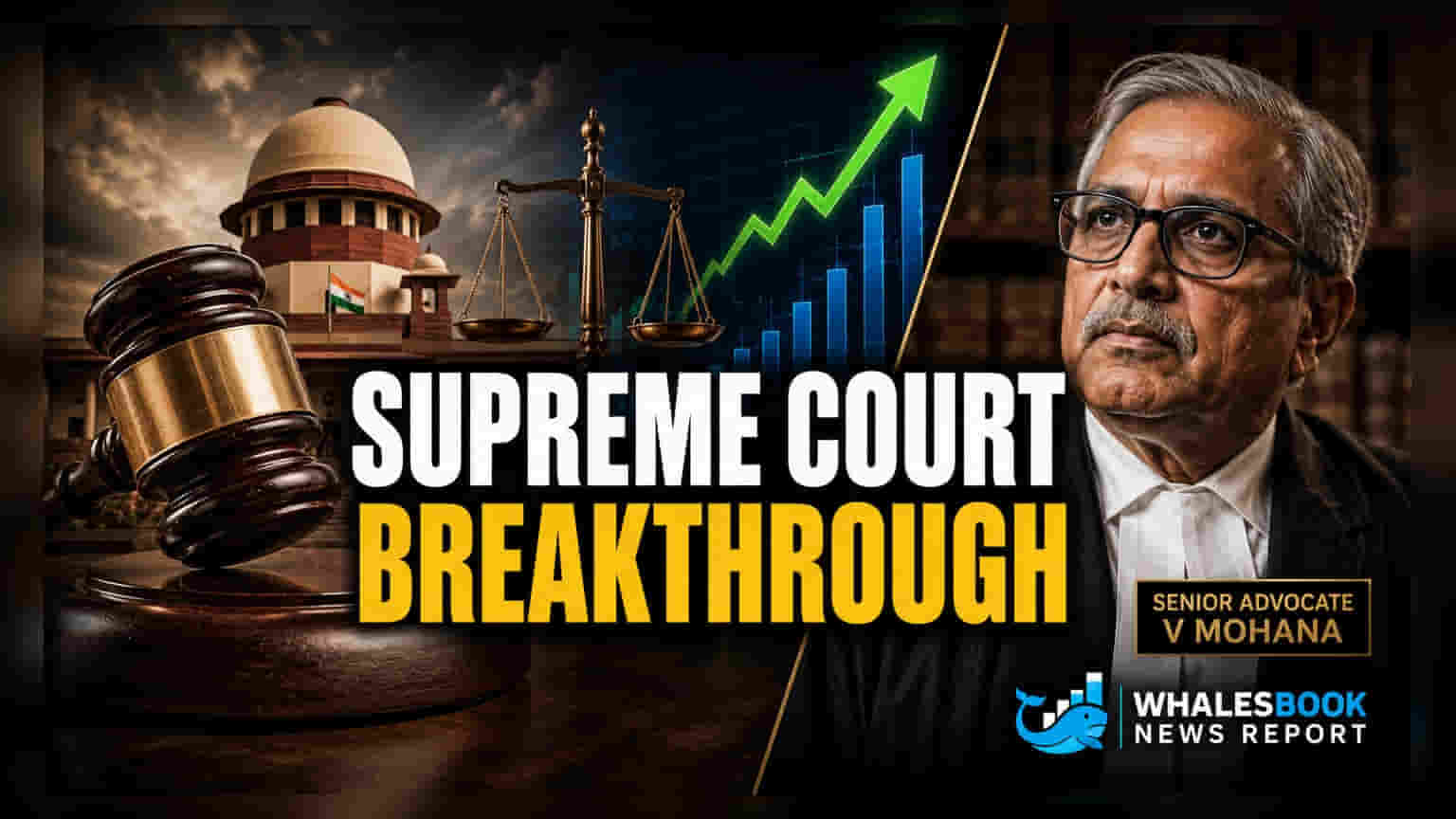


The Shift in Judicial Appointment Dynamics
The appointment of V Mohana to the Supreme Court represents more than a personal milestone; it marks a strategic pivot in the composition of India’s highest judicial authority. By utilizing Article 124(3)(c) of the Constitution, the collegium has opted to bypass the standard progression through High Court judgeships in favor of direct recruitment from the Bar. This mechanism, historically reserved for those with exceptional legal acumen, functions as a pressure valve for a judiciary increasingly criticized for its reliance on seniority-based elevation rather than diverse professional backgrounds.
Integrating Practitioners into the Collegium
Unlike traditional judicial appointments, direct elevation from the Bar ensures the bench maintains a pulse on contemporary advocacy challenges. Mohana joins a small cohort of jurists—including P.S. Narasimha and K.V. Viswanathan—who bring immediate, granular experience from the other side of the dais. While standard judicial progression provides immense administrative stability, it often distances judges from the evolving nature of trial court practice and modern litigation strategy. The inclusion of three practitioners in the current Supreme Court composition suggests a structural desire for more pragmatic, experience-driven jurisprudence that is less detached from the realities of active practice.
The Gender Representation Metric
The entry of Mohana serves as a corrective measure for a bench that has remained stubbornly imbalanced. As the twelfth woman to serve on the Supreme Court, her arrival highlights the systemic delays in female representation at the highest level of Indian law. With Justice B.V. Nagarathna currently serving as the solitary female voice and holding a definitive path toward becoming the first female Chief Justice, Mohana’s presence effectively doubles the current female bench strength. This shift is not merely symbolic; it provides essential diversity in judicial perspective, particularly in cases involving gender-sensitive rights and property laws, where her previous advocacy has already established a clear record of precedent-setting litigation.
Institutional Risks and Judicial Independence
Despite the progressive framing of this appointment, it invites scrutiny regarding the lack of transparency in the selection process. Critics of the collegium system have long argued that direct elevations can sometimes favor practitioners with significant exposure to high-profile political or commercial litigation, potentially blurring the lines between advocacy and impartiality. Mohana’s track record in cases such as the Karnataka hijab ban and challenges to Supreme Court administrative rules establishes her as a litigator willing to take on institutional constraints. For the Court, the risk lies in balancing her background as an activist-advocate with the requirement for neutral, detached constitutional interpretation. The success of this appointment will depend on how effectively she transitions from a sharp-edged independent counsel to a deliberative member of a consensus-seeking institution.