

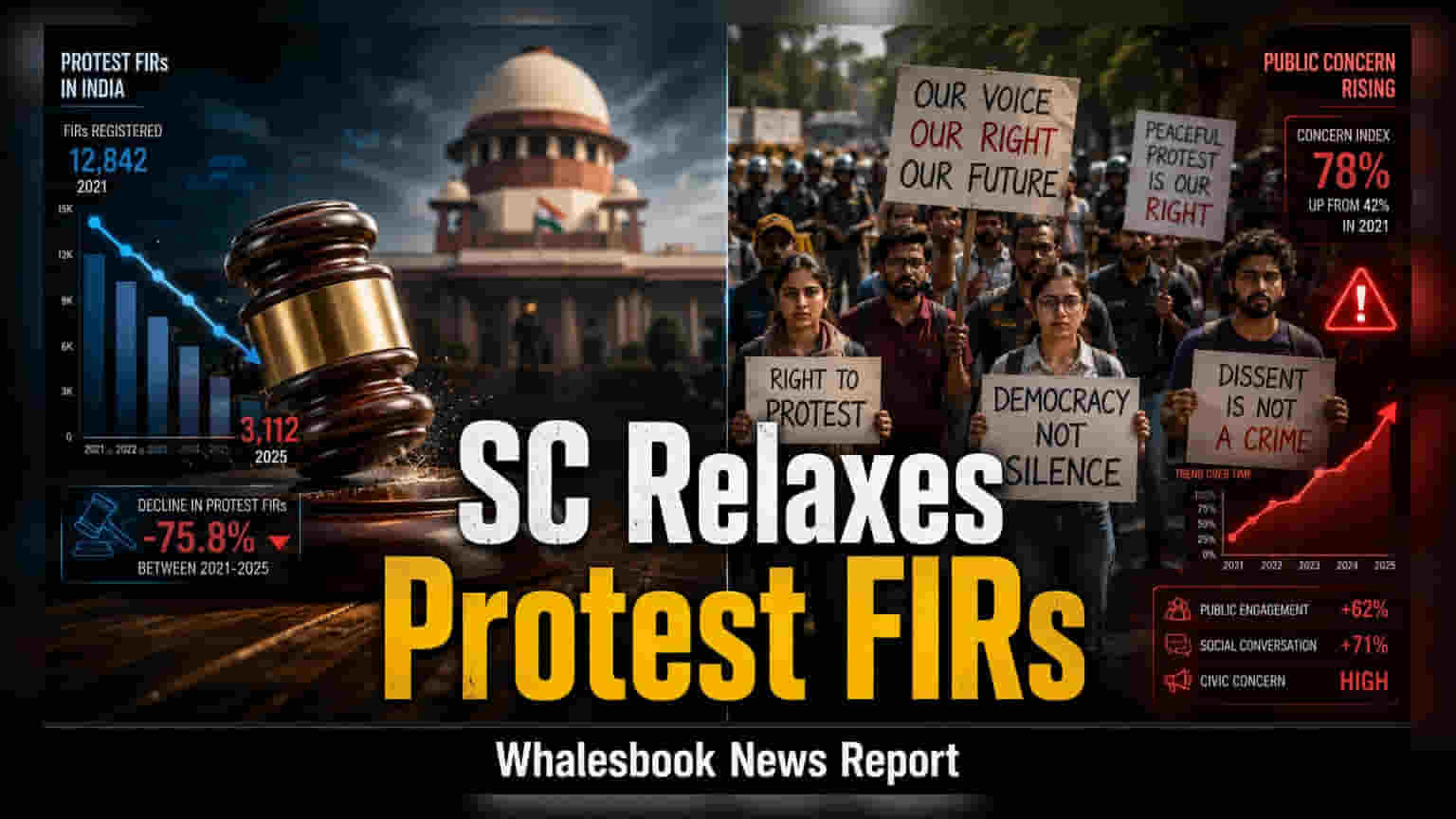
The Supreme Court has clarified that states can withdraw FIRs against protesters linked to CJP demonstrations, excluding those charged with grave offenses. This move aims to separate minor protest-related cases from serious criminal matters. The court is also reviewing allegations of excessive police force during these events, with further updates expected on the investigation protocol.
The Supreme Court on Monday issued a clarification regarding the withdrawal of First Information Reports (FIRs) filed against individuals involved in the CJP protests. The bench, led by Chief Justice of India Surya Kant, confirmed that state governments have the authority to close or withdraw these cases. This decision is intended to provide relief to individuals whose legal records were impacted primarily by their participation in protests, rather than involvement in serious criminal activity.
Exclusion for Serious Offenses
A central aspect of this ruling is the limitation placed on the type of cases eligible for withdrawal. The court specified that relief will not apply to individuals accused of grave and grievous offenses, such as murder or rape. During the proceedings, Solicitor General Tushar Mehta noted that the government is willing to work on the semantics of these cases, provided there is ongoing communication. By narrowing the definition of criminal antecedents, the court intends to ensure that minor infractions—such as minor traffic violations or protest-related assembly charges—do not permanently bar individuals from this relief process.
Investigation into Police Conduct
Beyond the status of the FIRs, the court addressed complaints from petitioners regarding the alleged use of excessive police force during protests. Counsel representing the petitioners submitted materials, including video evidence, to argue that police conduct in certain instances warrants an independent review. In response, the Supreme Court has directed the relevant authorities to submit a formal affidavit addressing these allegations.
The court is currently evaluating the necessity of forming a high-powered committee to investigate these specific claims of misconduct. Additionally, the bench expressed its intent to develop a formal, nationwide protocol for the use of non-lethal crowd control measures, specifically pellet guns, to ensure that future law enforcement actions adhere to established human rights standards. The next steps for the court will involve reviewing the affidavits submitted by the authorities and determining the composition of the potential investigative committee.