

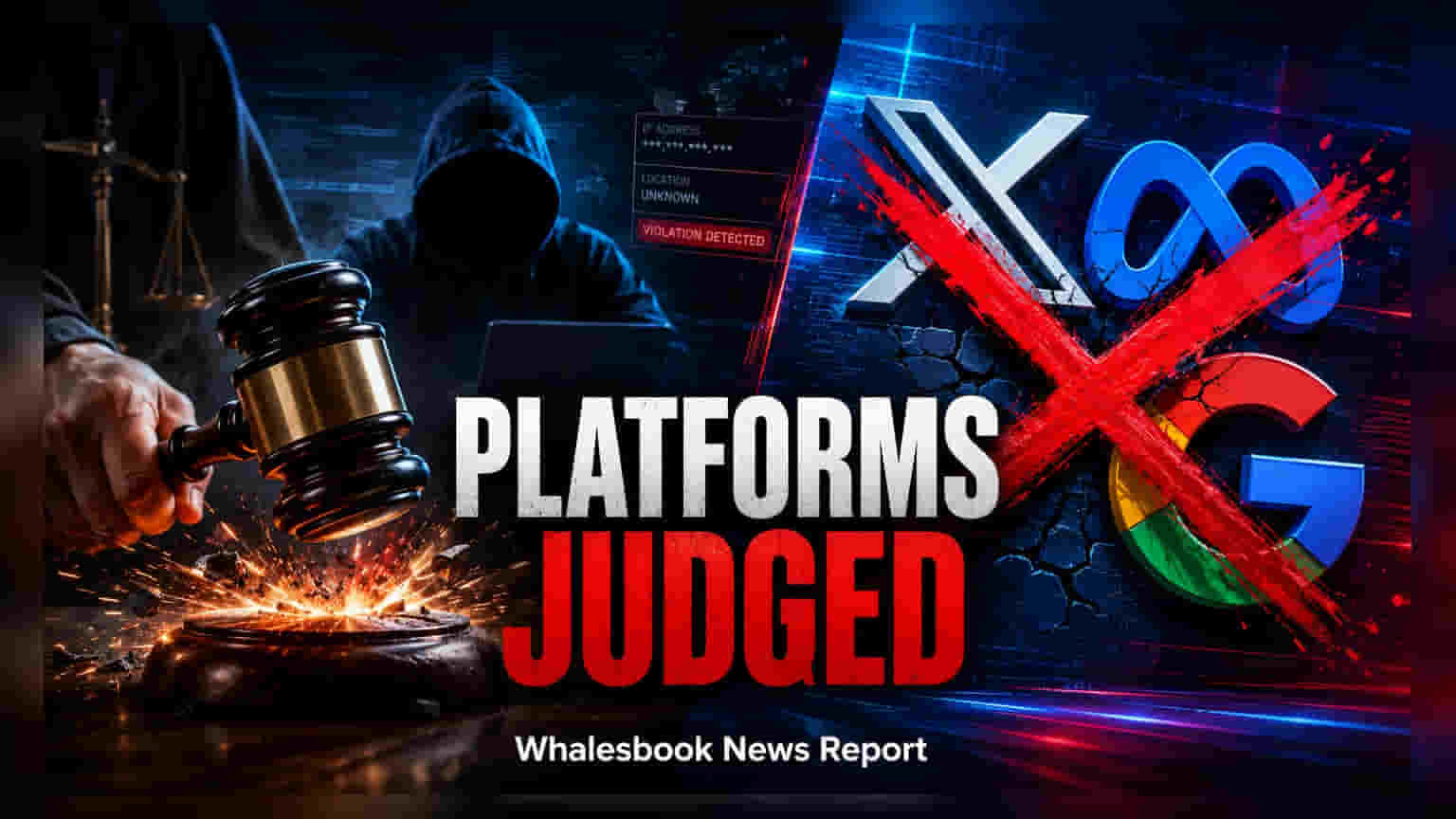
Indian courts are increasingly holding platforms like Meta, Google, and X accountable for content that violates personality rights. This shift forces tech companies to act as adjudicators, balancing strict court compliance against risks to free speech and user content. Investors should monitor how these legal liabilities impact platform operations and content moderation costs.
Indian courts are shifting their strategy in personality rights litigation by moving beyond anonymous online users to target the social media platforms themselves. This legal evolution is placing technology giants like Meta Platforms, Alphabet's Google, YouTube, and X (formerly Twitter) at the center of high-stakes disputes. Rather than just requesting the removal of infringing material, courts are now increasingly ordering these intermediaries to actively monitor content, disclose user subscriber details, and provide internet protocol logs to track down alleged infringers.
Accountability and Corporate Liability
The financial and operational implications for these platforms are significant as they are forced to dedicate resources to vetting and removing content to avoid contempt charges. For instance, Union Minister Nitin Gadkari recently included Meta and Google in an ₹11 crore defamation lawsuit related to AI-generated content that allegedly misrepresents government policies. Similarly, the Delhi High Court has indicated that platforms cannot easily escape responsibility for content hosted on their services. This judicial trend effectively turns private corporations into regulators of speech, a role traditionally reserved for legal institutions.
Challenges in the Legal Gray Zone
A primary challenge for investors and management teams is the lack of a specific Indian law governing personality rights. Without a clear legislative framework, platforms are left to determine what constitutes illegal infringement versus protected speech, satire, or legitimate news reporting. When platforms face pressure to remove content, they often lean toward blanket deletion to maintain their safe harbor protections—the legal status that shields them from liability for third-party content. This cautious approach can inadvertently lead to the removal of fan-made content and satire, which may impact user engagement levels on these platforms.
Platform Defense and Operational Risks
Companies are starting to push back against these wide-reaching directives. X Corp. has previously challenged court orders requesting the removal of specific URLs, arguing that the content falls under protected speech. Meanwhile, firms like Google maintain that they review each judicial request individually. The operational burden of managing thousands of such requests while ensuring compliance with varying court mandates creates a persistent risk of cost increases for content moderation teams. Furthermore, if courts continue to demand the disclosure of user data and logs, these companies may face increased regulatory scrutiny regarding data privacy, which remains a sensitive sector issue in India. Moving forward, the key monitorable for investors will be whether the government introduces a specific legislative framework to define the responsibilities of online intermediaries, as this would provide much-needed clarity on the potential liability and operational costs for global tech firms operating in the country.